
Loading story…
South Korea has announced a new policy requiring facial recognition scans for individuals registering new mobile phone numbers, aiming to curb the widespread use of stolen identities in telecom-related scams. The Ministry of Science and ICT stated that the initiative, which will be implemented by the country's three major mobile carriers and mobile virtual network operators, is designed to prevent criminals from using stolen or fabricated IDs to activate SIM cards. The new requirement will compare the photo on an official identification card with a real-time facial scan, making it significantly harder to register devices under false names. This measure follows a series of high-profile data breaches and a surge in voice phishing scams, with over 21,000 cases reported in 2025 alone.
The policy is set to take effect on March 23, following a pilot phase, and will leverage existing digital credential apps such as “PASS” to store and verify biometric data. Recent incidents, including the massive data breach at SK Telecom that exposed SIM card data of nearly 27 million subscribers, have highlighted the vulnerabilities in South Korea’s telecom sector. Authorities have responded with stricter penalties for carriers failing to prevent scams and have imposed significant fines for poor security practices, such as storing credentials in plaintext and lacking basic access controls. The government hopes that the new facial recognition requirement will restore trust and reduce the risk of identity-based telecom fraud.

Get the infrastructure and lures behind it.
5 events from the most recent confirmed update back to the earliest known activity.
The government said the new facial recognition requirement will take effect on March 23. The measure will add biometric verification to existing identity checks, including use of the PASS digital credential app.
On December 22, 2025, the Ministry of Science and ICT announced that new mobile number and SIM registrations will require facial recognition verification. The rule applies to the three major carriers and MVNOs and is intended to reduce identity theft, illegal registrations, and voice phishing.
South Korean authorities found that mobile virtual network operators accounted for 92% of counterfeit phone registrations detected in 2024. The finding highlighted systemic weaknesses in identity verification for new mobile accounts.
Before the nationwide mandate, South Korea ran a pilot program for facial recognition checks during new mobile phone registrations. The pilot informed the later decision to expand the requirement to major carriers and MVNOs.
In April 2025, SK Telecom suffered a major breach in which SIM card-related data for nearly 27 million subscribers was stolen. Reports said the incident was linked to poor access controls and later drew regulatory criticism and penalties.
Vulnerabilities, threat actors, malware, products, organizations, and breaches Mallory has linked to this story.
Get the infrastructure, lures, and IOCs behind this campaign, ready to push into your email and identity stack.
2 references tracked. Mallory keeps watching after this page renders.
Map indicators from this story to your assets and identify affected systems in minutes.
Every observed campaign, victim, and pivot linked to actors named in this story.
Malware, exploits, and IOCs connected to the activity described here.
YARA, Sigma, and Snort rules deployed to your SIEM as soon as they’re published.
Get matching new stories delivered to your team as they break — not the next morning.
Ask questions about this story and take action on the answers.
Other stories Mallory is tracking that overlap on entities, sources, or topic labels.
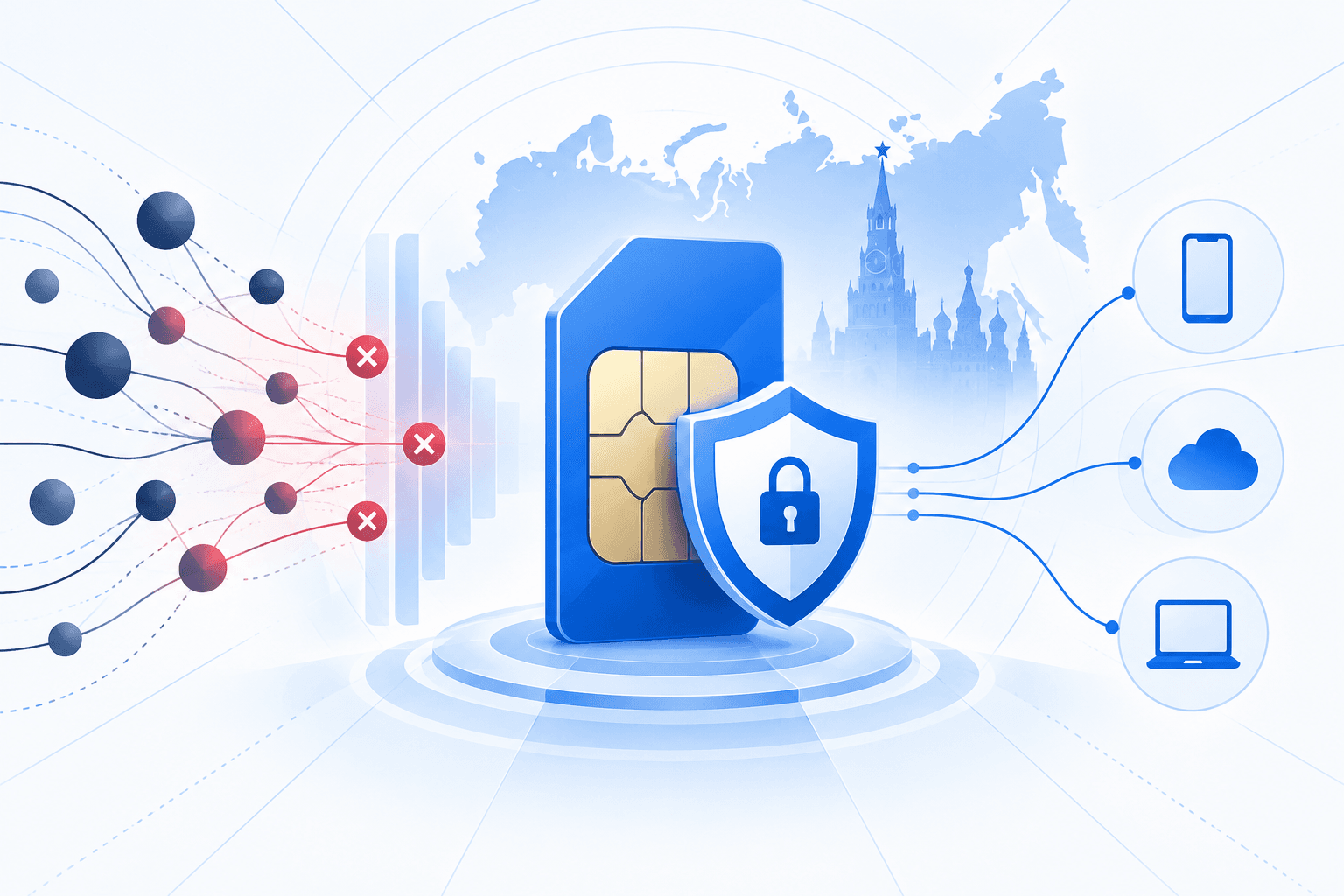
Russia’s Ministry of Digital Development has released its proposed **Anti-Fraud 3.0** legislative package for public consultation, seeking to curb fraud enabled by anonymous or stolen-identity mobile accounts. The measures would limit physical SIM registration to direct dealers, prohibit preloaded SIM balances, and require subscribers to execute service agreements before adding funds. Telecom operators would also be required to suspend every number registered to a subscriber when the FSB or Interior Ministry identifies one of their numbers as involved in unlawful activity, while data on people who transfer phone numbers or account credentials to fraudsters would be added to the GIS Antifraud system. The package would require identifiable bulk-SMS senders, ban automated checks of number activity, and require websites and mobile-app operators to retain registration data for three years. Russian hosting providers would face customer-identification, service-purpose verification, and Roskomnadzor registry-screening requirements, including a one-year prohibition on serving registry-listed operators of tools used to access blocked resources. Proposed provisions also restrict online authentication methods and establish a unified consent-management platform through Gosuslugi; if approved as drafted, the amendments would take effect on March 1, 2028.
Oct 1, 2026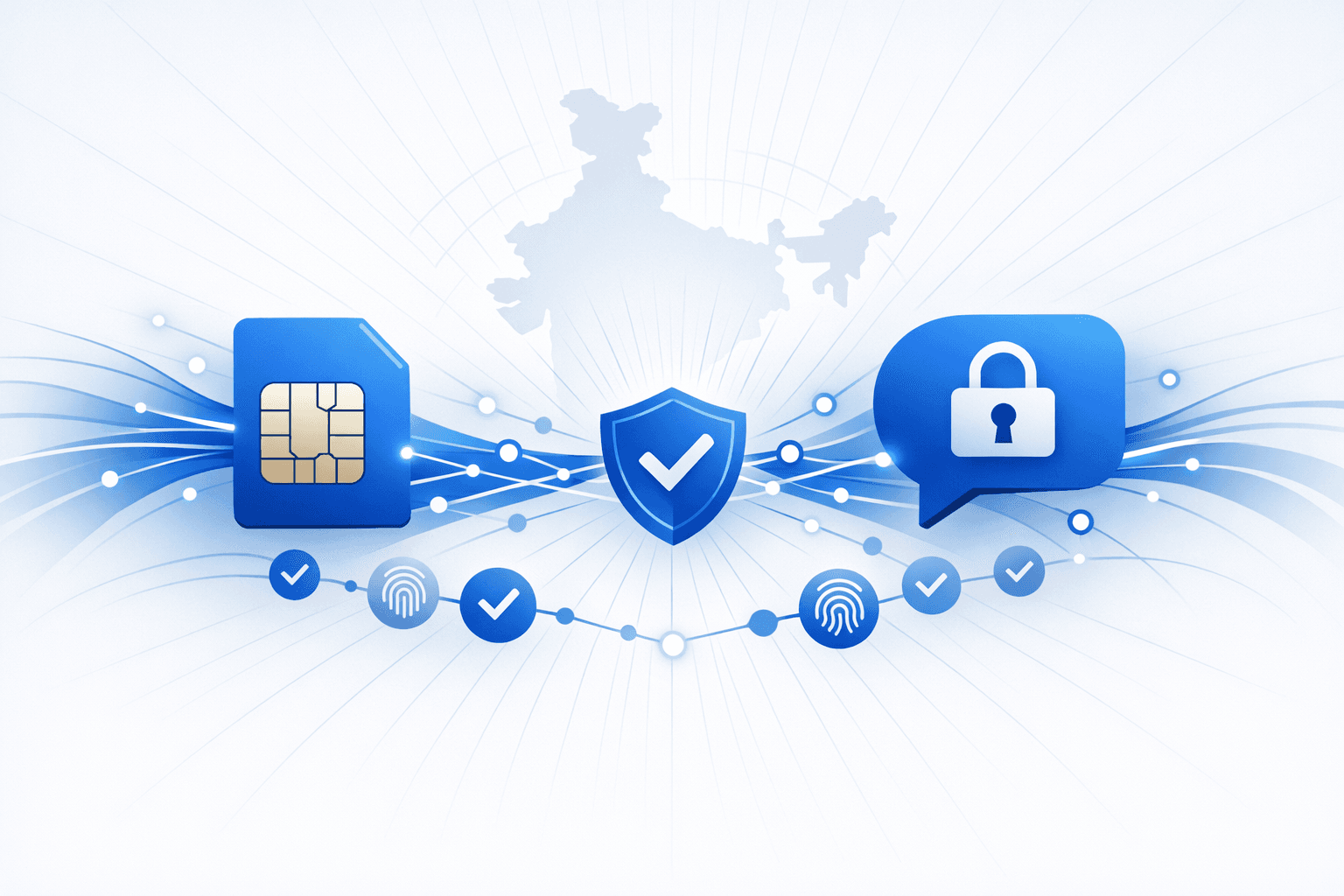
The Indian government has introduced new regulations requiring messaging apps such as WhatsApp, Telegram, Signal, and Snapchat to operate only with active SIM cards linked to users’ phone numbers. This move is intended to curb the rising incidents of cyber fraud and misuse, particularly those perpetrated from outside the country using Indian mobile numbers. Under the new rules, web and desktop sessions must automatically log out within six hours, and users will be required to re-verify their accounts frequently. Messaging app providers have 90 days to implement these changes and 120 days to report compliance, as part of an amendment to the 2024 Telecom Cyber Security Rules. The Department of Telecommunications (DoT) stated that the previous ability to maintain long-lived sessions without an active SIM was being exploited for large-scale, cross-border scams, phishing, and other fraudulent activities. By enforcing SIM-binding and frequent re-verification, authorities aim to close this security loophole and make it more difficult for criminals to operate anonymously or from abroad using Indian identifiers. The new measures are a direct response to the increasing sophistication of cybercriminals targeting Indian users through messaging platforms.
Jul 12, 2026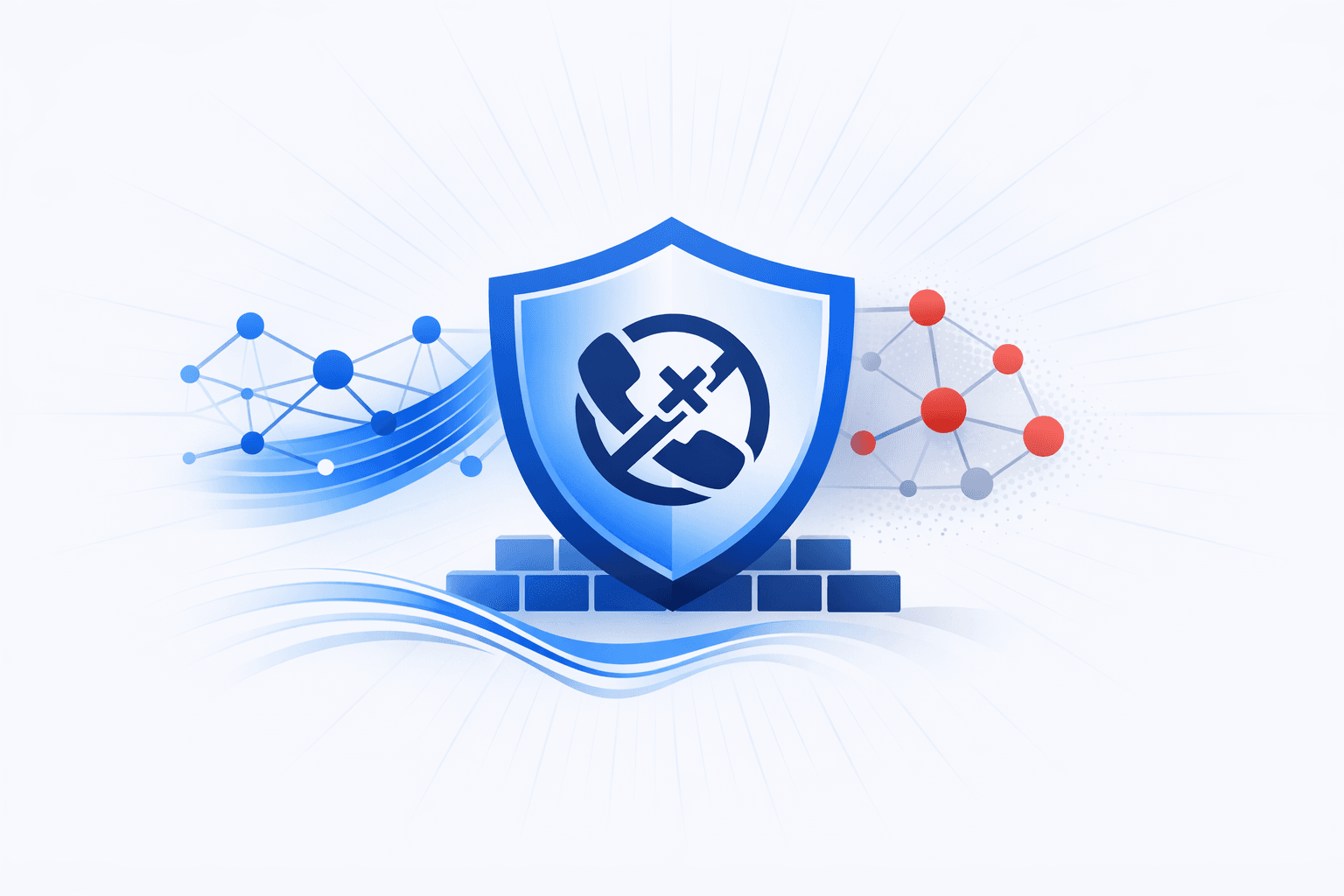
Britain's largest mobile carriers, including BT EE, Virgin Media O2, Vodafone Three, Tesco Mobile, TalkTalk, and Sky, have agreed to upgrade their networks to block spoofed phone numbers as part of a new government-backed Telecoms Charter aimed at combating fraud. The initiative will require carriers to implement technology that identifies calls originating from abroad and prevents fraudsters from impersonating trusted organizations such as banks and government agencies. Advanced call tracing will be introduced to aid law enforcement in tracking down scammers, and carriers have also committed to improving support for scam victims and enhancing data sharing with police to better identify and stop fraudulent activity. This move comes amid growing concern over the widespread use of caller ID spoofing in Europe, which has enabled large-scale financial and social engineering crimes. Europol has highlighted that caller ID spoofing is a major enabler of cyber fraud, with global losses estimated at around EUR 850 million annually. Attackers exploit VoIP services and spoofing tools to impersonate trusted entities, making it difficult for law enforcement to trace perpetrators and increasing the urgency for robust anti-spoofing measures across national telecom networks.
Jul 12, 2026