
Loading story…
Cybersecurity professionals are emphasizing the increased risk of holiday-themed scams, including fraudulent delivery texts, family emergency calls, and gift card traps. Attackers are leveraging social engineering tactics such as urgent messages, spoofed caller IDs, and requests for off-platform payments to trick individuals into revealing sensitive information or sending money. Security experts recommend verifying all requests through official channels, using family codewords, and reporting suspicious activity to authorities. Common red flags include unexpected delivery notifications, lookalike email domains, and requests for payment via gift cards or cryptocurrency.
Guidance for consumers includes never clicking on links in unsolicited messages, keeping communications and payments within trusted platforms, and using credit cards for charitable donations. Security professionals also highlight the importance of educating friends and family about these threats, especially during the holiday season when such scams are most prevalent. Reporting mechanisms such as forwarding spam texts to 7726 or using ReportFraud.ftc.gov are encouraged to help combat these scams.

Get the infrastructure and lures behind it.
2 events from the most recent confirmed update back to the earliest known activity.
AlphaHunt and Huntress published holiday-focused security guidance covering delivery smishing, AI voice impersonation, bank and government imposters, gift card fraud, marketplace scams, sextortion, romance scams, and pig-butchering. The guidance emphasized verification through official channels, keeping payments on trusted platforms, enabling MFA, using passkeys and password managers, and maintaining skepticism toward unsolicited communications.
During a Tradecraft Tuesday session, Huntress leaders said the critical React remote code execution flaw CVE-2025-55182 was being exploited rapidly at a scale comparable to Log4Shell, with attackers deploying cryptominers, Linux backdoors, and botnets. They urged organizations to respond within 24 hours due to the speed of attacks.
Get the infrastructure, lures, and IOCs behind this campaign, ready to push into your email and identity stack.
2 references tracked. Mallory keeps watching after this page renders.
Map indicators from this story to your assets and identify affected systems in minutes.
Every observed campaign, victim, and pivot linked to actors named in this story.
Malware, exploits, and IOCs connected to the activity described here.
YARA, Sigma, and Snort rules deployed to your SIEM as soon as they’re published.
Get matching new stories delivered to your team as they break — not the next morning.
Ask questions about this story and take action on the answers.
Other stories Mallory is tracking that overlap on entities, sources, or topic labels.
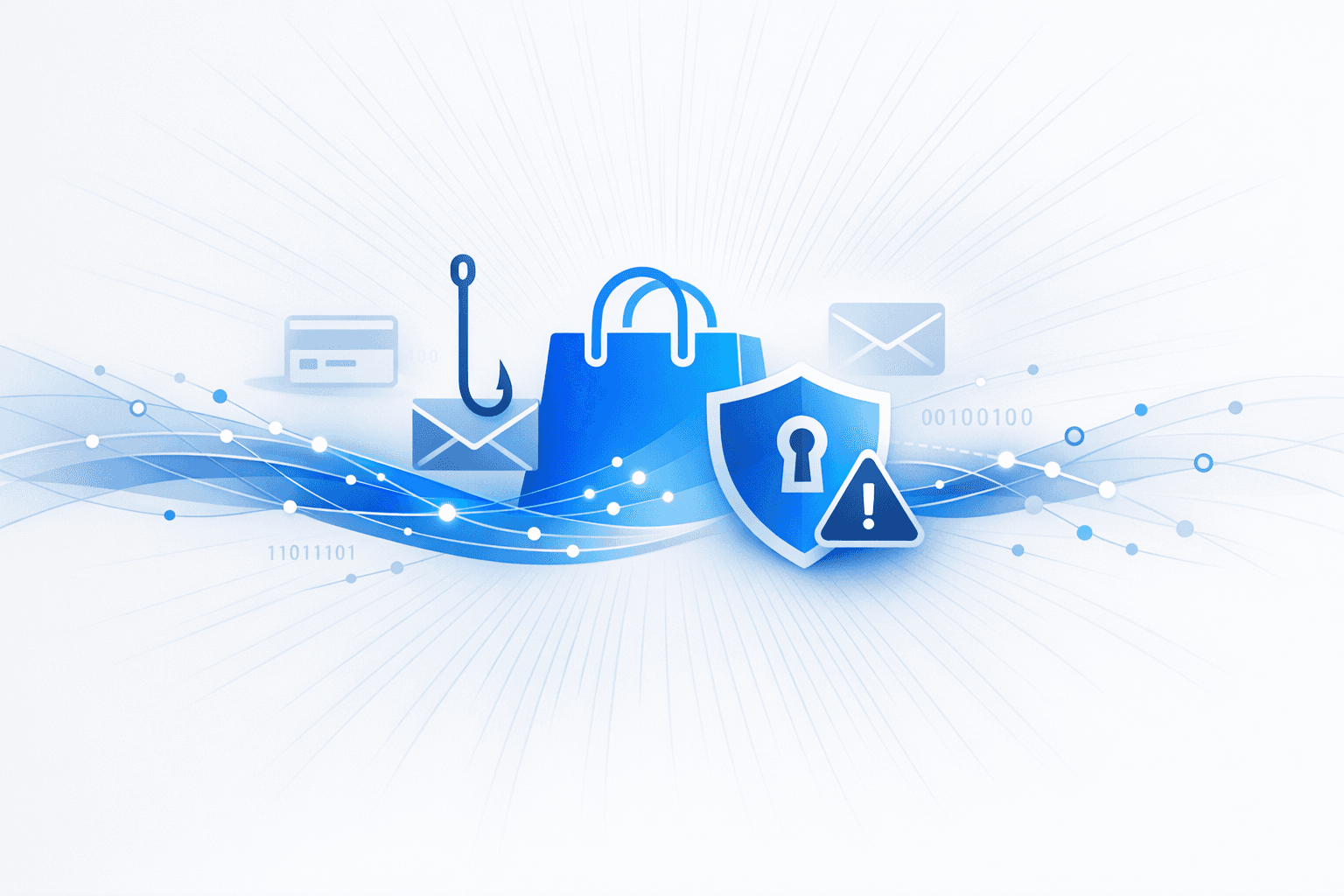
Cybercriminals are intensifying their efforts to exploit consumers and businesses during the holiday shopping season, leveraging tactics such as SMS scams, phishing emails, and fake websites. Attackers use the urgency of holiday deals and the high volume of online transactions to increase the effectiveness of their campaigns, with AI and automation making fraudulent messages and cloned sites more convincing. Notably, the U.S. Federal Trade Commission reported $470 million in losses from text-based scams in 2024, and researchers have observed a significant rise in both the scale and sophistication of these attacks, including the use of deep-fake voices and realistic phishing lures. Businesses are also being targeted, as seen in a campaign where over 5,000 Facebook advertisers received phishing emails sent from the legitimate facebookmail.com domain, exploiting Meta's business features to bypass security filters and steal credentials. High-profile incidents, such as the attack on Marks & Spencer during a peak shopping period, highlight the financial and operational risks posed by these scams. Security experts recommend measures such as multi-factor authentication, password managers, and the use of virtual cards to mitigate risks, while also warning against trusting unsolicited messages or calls, especially those leveraging AI-driven impersonation techniques.
Jun 29, 2026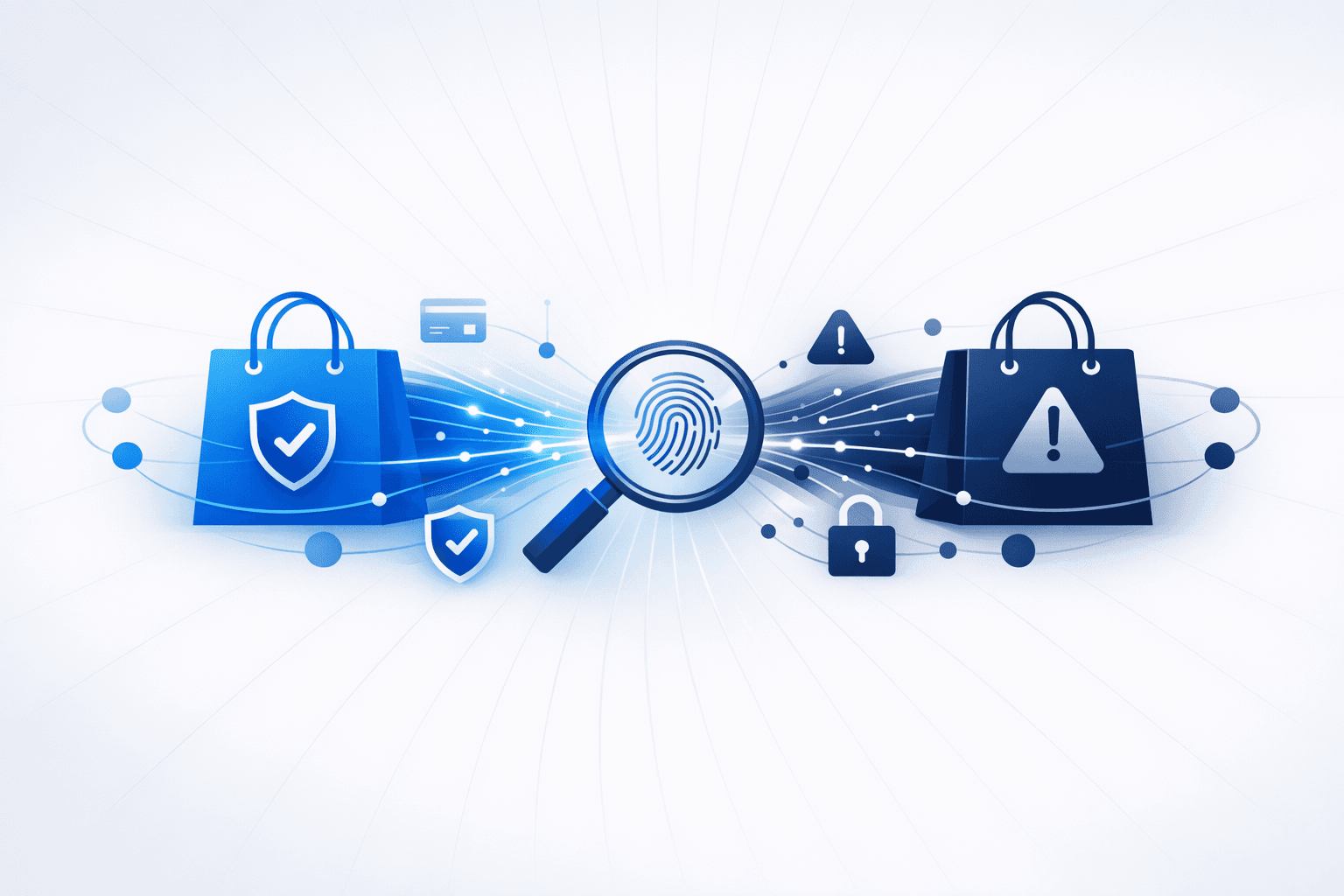
Cybercriminals are exploiting the holiday shopping season by launching a wave of fake online shops designed to steal financial and personal information from unsuspecting consumers. These fraudulent e-shops often mimic well-known brands or create convincing new storefronts using advanced tools such as artificial intelligence to generate realistic product descriptions and reviews. Security researchers have observed a dramatic increase in blocked fake e-shop attacks, with millions of attempts thwarted globally and a 185% spike in the United States during October compared to earlier in the year. Scammers leverage legitimate e-commerce platforms and seasonal marketing tactics, such as festive banners and countdown timers, to lure victims, while also investing in targeted ads on social media platforms like Facebook and TikTok to drive traffic to their fraudulent sites. The sophistication and scale of these scams have grown, making it increasingly difficult for consumers to distinguish between real and fake online stores. Attackers are not only after immediate financial gain but also seek to harvest personal data for future scams. Security experts recommend heightened vigilance during peak shopping periods, as the combination of urgency, attractive deals, and professional-looking sites increases the risk of falling victim to these schemes. Staying informed about the latest scam tactics and scrutinizing online shops before making purchases are critical steps to avoid financial loss and identity theft during the holiday season.
Jun 29, 2026
Retailers experienced a significant increase in both legitimate and malicious online activity during the 2025 holiday shopping season, with Black Friday setting new records for consumer spending and cyberattacks. Automated bot attacks surged by 50%, targeting authentication, inventory, and transaction workflows, as attackers sought to exploit the extended peak shopping period and blend in with high consumer traffic. This rise in malicious activity underscores the expanding window of exposure for retailers and the need for robust defenses against account takeover attempts and automated abuse. At the same time, consumers and enterprises faced a wave of holiday-themed cyber scams, including business impersonation, phishing, fraudulent invoices, and social engineering attacks leveraging AI and cryptocurrency. Threat actors exploited the seasonal rush, increased online shopping, and distracted staff to launch scams such as fake e-cards, bogus charity requests, and payment fraud. Security experts and government advisories highlighted the importance of heightened vigilance, secure device usage, and careful validation of transactions to mitigate risks during the holiday period.
Jun 29, 2026