
Loading story…
Hacktivist groups are increasingly being used as strategic tools for state-aligned cyber operations, launching coordinated attacks that coincide with major geopolitical events such as sanctions or military aid announcements. These operations are characterized by repeatable patterns, including distributed denial-of-service (DDoS) attacks, website defacements, and publicized data breaches, all designed to maximize visibility and psychological impact while maintaining plausible deniability for the sponsoring states. The attacks are typically low in technical complexity but are highly effective in disrupting public infrastructure and amplifying political messages, with target selection and campaign timing closely aligned to state objectives.
Analysts have observed that these hacktivist proxy operations exploit the economic asymmetry of cyber conflict, where the cost of launching attacks is far lower than defending against them. The campaigns are orchestrated to shift public attention and exert pressure on targeted governments, with rapid changes in hacktivist messaging and activity following geopolitical triggers. The strategic use of non-state actors allows states to benefit from the disruption without direct attribution, marking a significant evolution in the use of cyber capabilities for geopolitical influence and signaling.

TTPs, infrastructure, and targeting history in one profile.
2 events from the most recent confirmed update back to the earliest known activity.
Industry experts said the 2025 threat landscape remained dominated by familiar patterns, including exploitation of edge devices, info stealer-driven credential theft, ransomware, and supply-chain attacks. They also highlighted continued Chinese access to Western critical infrastructure, growing Russian use of cybercriminal proxies, and rising youth involvement in cybercrime.
Cyfirma analysts reported that hacktivist groups are increasingly operating as strategic proxies for state interests, with campaigns showing repeatable activation sequences, target prioritization, and controlled de-escalation. The activity is described as low-complexity but deliberately timed to coincide with geopolitical events for maximum psychological and political effect.
See this adversary's TTPs, infrastructure, and targeting history, correlated against your exposure.
3 references tracked. Mallory keeps watching after this page renders.
cybersecuritynews.com
Open sourcebankinfosecurity.com
Open sourcegovinfosecurity.com
Open sourceMap indicators from this story to your assets and identify affected systems in minutes.
Every observed campaign, victim, and pivot linked to actors named in this story.
Malware, exploits, and IOCs connected to the activity described here.
YARA, Sigma, and Snort rules deployed to your SIEM as soon as they’re published.
Get matching new stories delivered to your team as they break — not the next morning.
Ask questions about this story and take action on the answers.
Other stories Mallory is tracking that overlap on entities, sources, or topic labels.
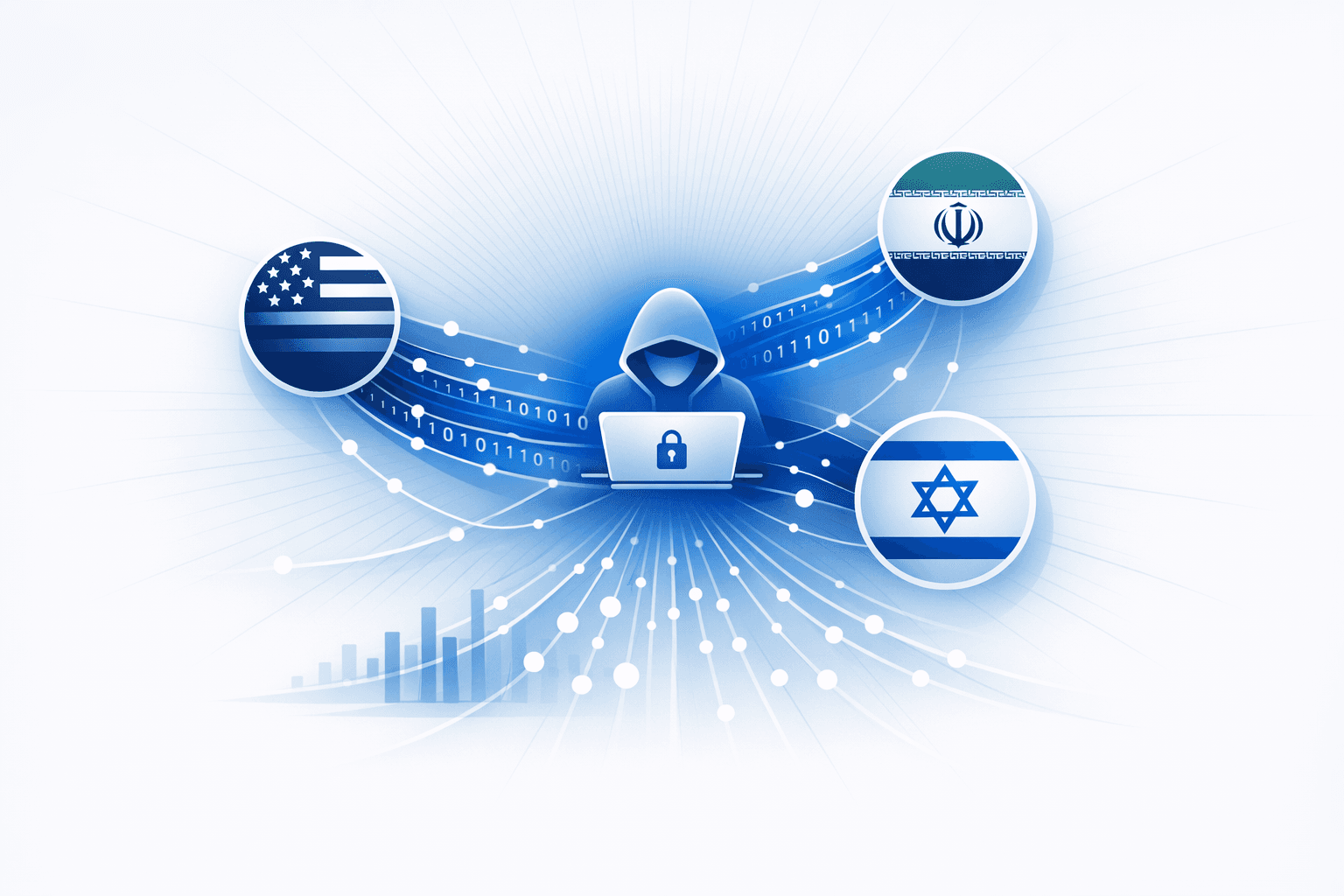
Hacktivist activity has increased as tensions involving the United States, Iran, and Israel intensify, according to Sophos threat research. The reported campaigns indicate a rise in politically motivated cyber operations tied to the regional conflict, with threat actors using disruptive and influence-focused tactics to target organizations and amplify geopolitical messaging. The activity reflects a broader pattern in which international crises quickly spill into cyberspace, raising the risk of website defacements, distributed denial-of-service attacks, and other opportunistic intrusions against public- and private-sector targets. Sophos said the escalation underscores the need for organizations with exposure to the region or to politically sensitive sectors to monitor for hacktivist threats and strengthen defensive readiness.
Jun 29, 2026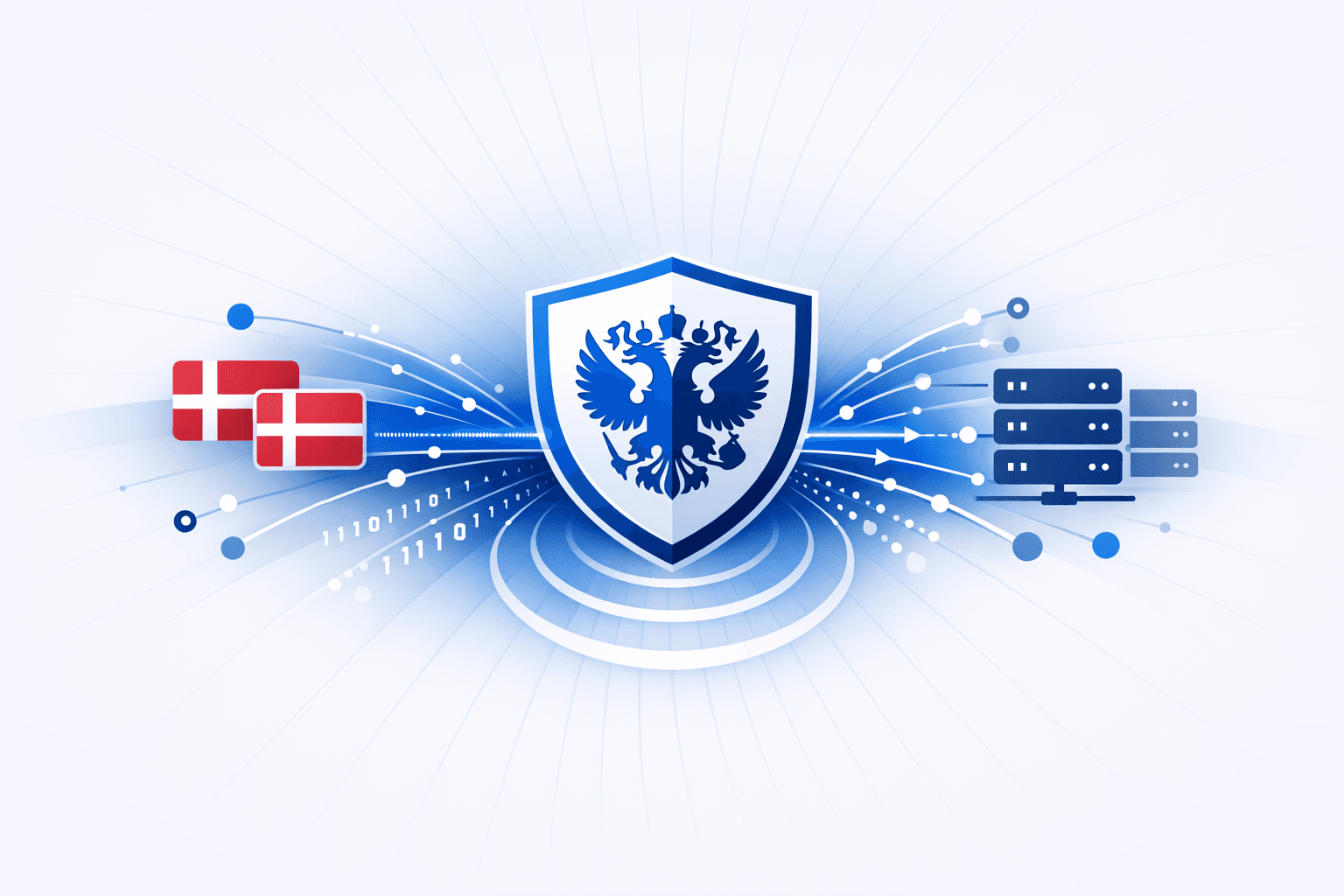
A newly formed Russian-aligned hacktivist coalition calling itself **Russian Legion** (reportedly comprising Cardinal, The White Pulse, Russian Partizan, and Inteid) announced “**OpDenmark**,” a campaign of **DDoS attacks** intended to disrupt Danish government services and critical infrastructure and pressure Denmark to reverse military support for Ukraine. Reporting indicates the group issued an ultimatum tied to Denmark’s planned **1.5 billion DKK** aid package, followed by service disruptions across multiple Danish organizations, including repeated targeting of the **energy sector**; analysts characterized the actor as *state-aligned but not state-funded*, using disruption and psychological pressure rather than confirmed destructive intrusions. Separately, a new hacktivist group, **Punishing Owl**, claimed a breach of a Russian government security agency, publishing stolen documents and using DNS manipulation to redirect traffic to attacker-controlled infrastructure hosting the leak and a manifesto. The operation reportedly expanded into **business email compromise** against partners/contractors and included tooling such as the **ZipWhisper PowerShell stealer**, with lures using password-protected ZIPs and disguised LNK files to execute PowerShell downloaders. An additional opinion piece highlighted a broader rise in **energy infrastructure** cyber operations (including referenced events affecting Poland and Venezuela) but did not provide corroboration or direct linkage to the Denmark DDoS campaign or the Punishing Owl intrusion.
Jun 29, 2026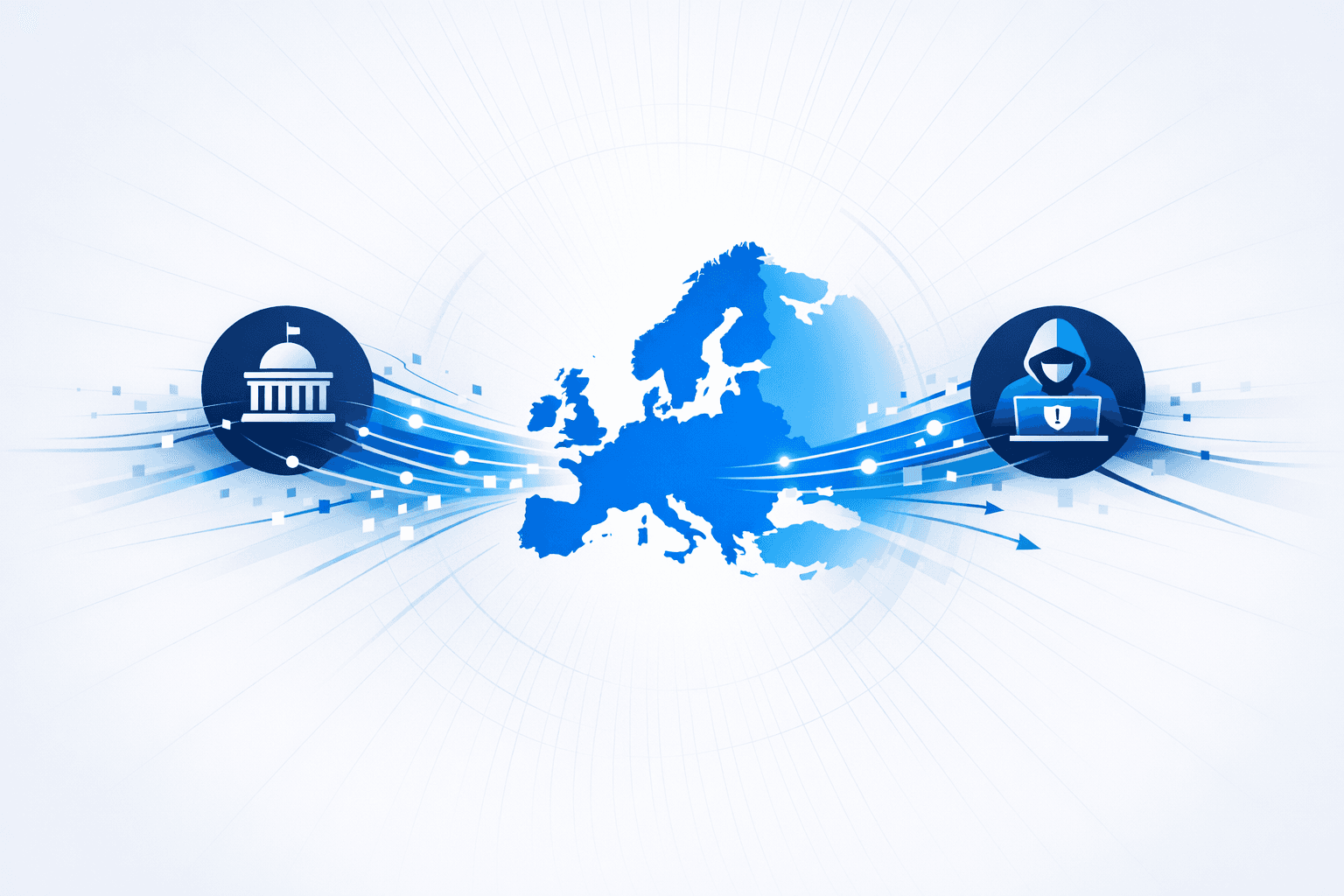
European organizations are facing a surge in cyberattacks driven by nation-state actors, financially motivated cybercriminals, and hacktivist groups. According to assessments from cybersecurity experts, many of these attacks are linked to ongoing geopolitical tensions, particularly Russia's invasion of Ukraine, and increasingly involve coordinated operations with North Korea. The tactics used include distributed denial-of-service (DDoS) disruptions, website defacements, and data leak campaigns, often with the primary goal of propaganda or strategic intelligence collection. Other persistent threat actors include groups from Iran, China, Turkey, Kazakhstan, and India, who target European entities for motives ranging from intellectual property theft to financial gain. The spillover from conflicts in the Middle East has also led to increased cyber activity against European organizations, especially those tied to Israel or Western military operations. Key sectors under threat include financial services, transportation, and non-governmental organizations. Experts warn that adversaries are seeking new ways to compromise identity and cloud infrastructure, reflecting a broader trend of evolving cyber operations shaped by global political developments.
Jun 29, 2026