
Loading story…
The Russia-linked advanced persistent threat group UAC-0184, also known as Hive0156, has intensified its espionage operations against Ukrainian military and government entities by leveraging the Viber messaging platform as an initial attack vector. The group distributed malicious ZIP archives disguised as official documents, which contained Windows shortcut (LNK) files masquerading as Microsoft Word, Excel, and other document types. When opened, these LNK files executed a multi-stage infection chain, including the deployment of the Hijack Loader malware, which facilitated further compromise through techniques such as DLL side-loading, module stomping, and in-memory execution to evade detection. The phishing lures exploited sensitive themes, such as military personnel record changes and compensation issues, to increase the likelihood of successful compromise.
The attack chain involved the use of PowerShell scripts to download additional payloads, with the malware designed to scan for and evade common security software. Persistence was established via scheduled tasks, and the campaign was observed to target high-value Ukrainian government bodies, including the Verkhovna Rada. Security researchers recommend strengthening security awareness, encryption, and access controls to mitigate the risk from such sophisticated phishing and malware delivery tactics. The campaign is expected to continue, with UAC-0184 evolving its methods and maintaining a focus on intelligence gathering against Ukrainian targets.
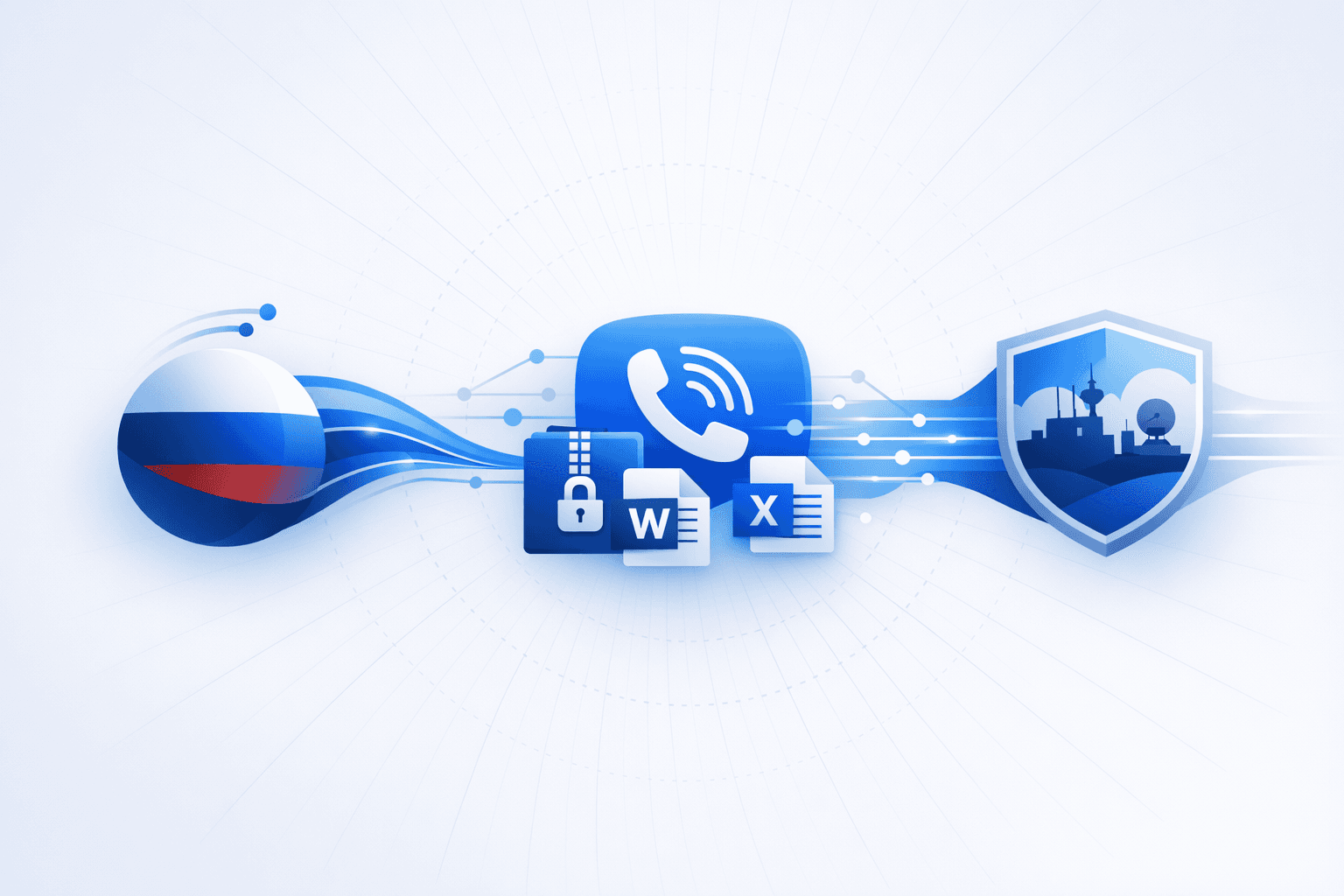
TTPs, infrastructure, and targeting history in one profile.
3 events from the most recent confirmed update back to the earliest known activity.
On 2026-01-05, multiple security outlets reported that UAC-0184 had been abusing Viber in 2025 to spy on Ukrainian military and government targets. The reporting tied the activity to the group's known toolchain and highlighted its shift from other messaging platforms such as Signal and Telegram.
In the 2025 campaign, opening the ZIP files triggered a multi-stage infection chain using LNK files, PowerShell, and side-loading techniques to install Hijack Loader and then Remcos RAT. The malware provided remote access, persistence, security-tool reconnaissance, and data theft capabilities while using evasion methods such as in-memory execution and module stomping.
During 2025, the Russia-aligned threat actor UAC-0184, also known as Hive0156, targeted Ukrainian military and government organizations, including the Verkhovna Rada, by sending malicious ZIP archives through Viber. The messages used official-document and military-themed lures to trick recipients into opening weaponized files.
Vulnerabilities, threat actors, malware, products, organizations, breaches, and observables Mallory has linked to this story. Indicator values are masked here and available in full in the app.
Indicator values are masked on this page. See the values in Mallory Domains, IPs, hashes, and URLs are exportable to your SIEM.
See this adversary's TTPs, infrastructure, and targeting history, correlated against your exposure.
3 references tracked. Mallory keeps watching after this page renders.
rescana.com
Open sourcethehackernews.com
Open sourcesecurityaffairs.com
Open sourceMap indicators from this story to your assets and identify affected systems in minutes.
Every observed campaign, victim, and pivot linked to actors named in this story.
Malware, exploits, and IOCs connected to the activity described here.
YARA, Sigma, and Snort rules deployed to your SIEM as soon as they’re published.
Get matching new stories delivered to your team as they break — not the next morning.
Ask questions about this story and take action on the answers.
Other stories Mallory is tracking that overlap on entities, sources, or topic labels.
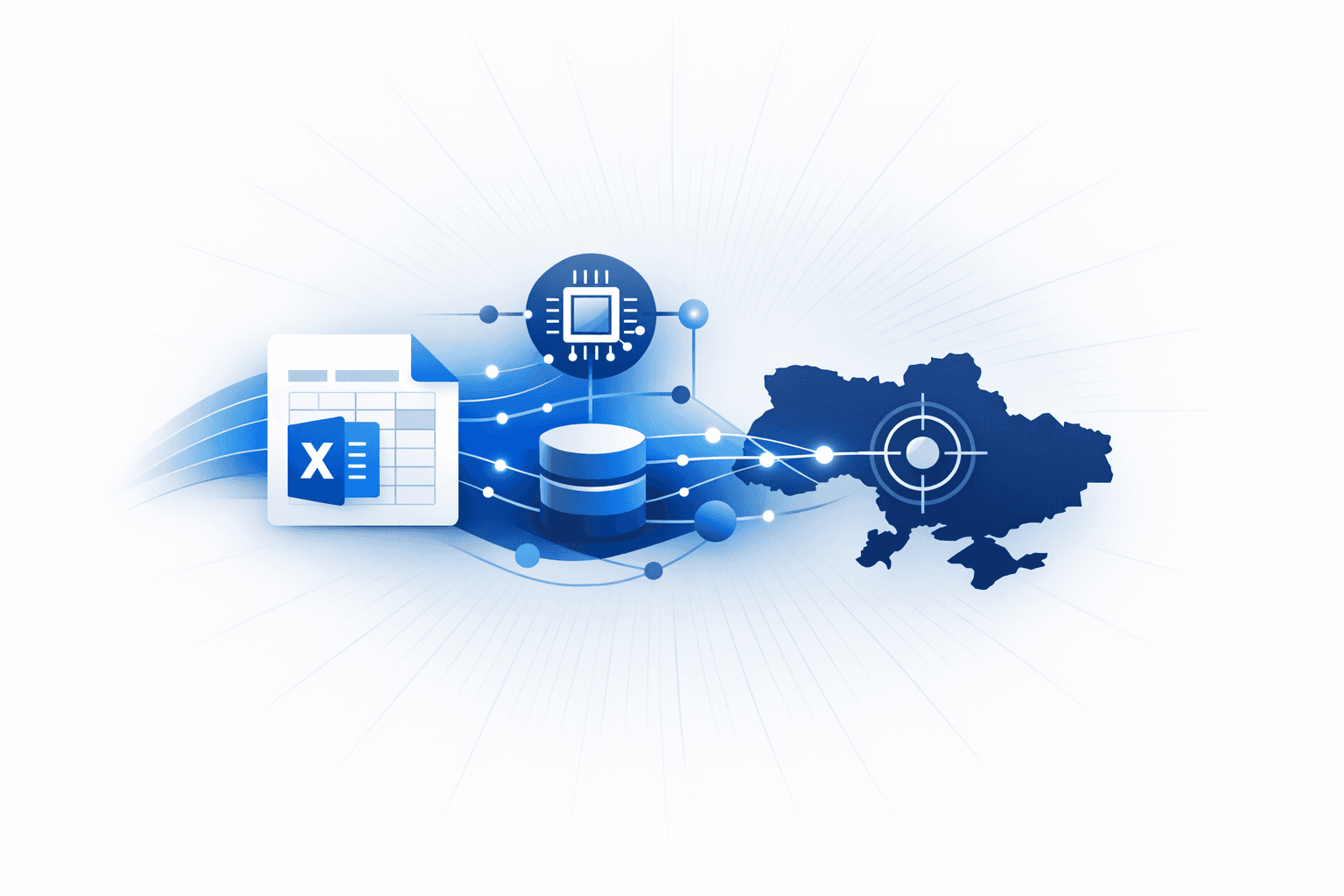
Ukrainian organizations were targeted in a phishing campaign attributed to **UAC-0056**—also tracked as **SaintBear**, **UNC2589**, and **TA471**—that used macro-enabled Excel attachments themed around wage arrears to deliver a multi-stage malware chain. Reporting says the infection sequence involved **Elephant Dropper**, **Elephant Downloader**, **Elephant Implant**, and **Elephant Client**, which retrieved additional payloads from attacker-controlled infrastructure, established persistence, and deployed the **GraphSteel** and **GrimPlant** backdoors. Targets reportedly included Ukrainian entities such as **ICTV**, continuing a pattern of espionage activity against government and state-linked organizations. The campaign aligns with earlier UAC-0056 operations documented by CERT-UA and other researchers, including phishing emails impersonating Ukrainian government bodies and fake software or update packages such as `BitdefenderWindowsUpdatePackage.exe`. In those incidents, victims were directed to malicious infrastructure including `forkscenter[.]fr`, with follow-on payloads fetched from Discord and resulting in **Cobalt Strike Beacon**, **GraphSteel**, and **GrimPlant** infections. Across the observed activity, the malware collected host and network data and sought credentials and user information from browsers, Wi-Fi profiles, Windows Credential Manager and PasswordVault, mail accounts, **PuTTY**, and **FileZilla**.
Aug 15, 2026
CERT-UA reported that threat cluster **UAC-0247** targeted Ukrainian local governments, municipal clinics, emergency hospitals, and in some cases Defense Forces personnel with a phishing campaign delivering the newly identified **`AGINGFLY`** malware. The attacks used humanitarian-aid themed emails, compromised or fake websites, malicious archives, and **`LNK`** files that triggered **`mshta.exe`** to launch **`HTA`** payloads, scheduled tasks, and shellcode injection into legitimate processes before deploying **`RAVENSHELL`**, **`SILENTLOOP`**, and the C# backdoor **`AGINGFLY`**. Separate lures sent through Signal masqueraded as FPV drone operator software updates and used DLL side-loading to install the same malware. The intrusions were aimed at espionage and data theft, with **`AGINGFLY`** enabling remote command execution, file exfiltration, screenshots, keylogging, and arbitrary code execution, while dynamically compiling command handlers received from command-and-control servers. CERT-UA said the operators also stole credentials from Chromium-based browsers with **`CHROMELEVATOR`**, extracted WhatsApp data with **`ZAPIXDESK`**, and used tools including **`RUSTSCAN`**, **`LIGOLO-NG`**, and **`CHISEL`** for reconnaissance, tunneling, and lateral movement; at least one incident also involved **`XMRIG`** delivered through a modified WireGuard binary, indicating cryptomining alongside espionage. The agency urged defenders to restrict execution of **`LNK`**, **`HTA`**, and **`JS`** files and limit abuse of **`mshta.exe`**, **`powershell.exe`**, and **`wscript.exe`**.
Jun 29, 2026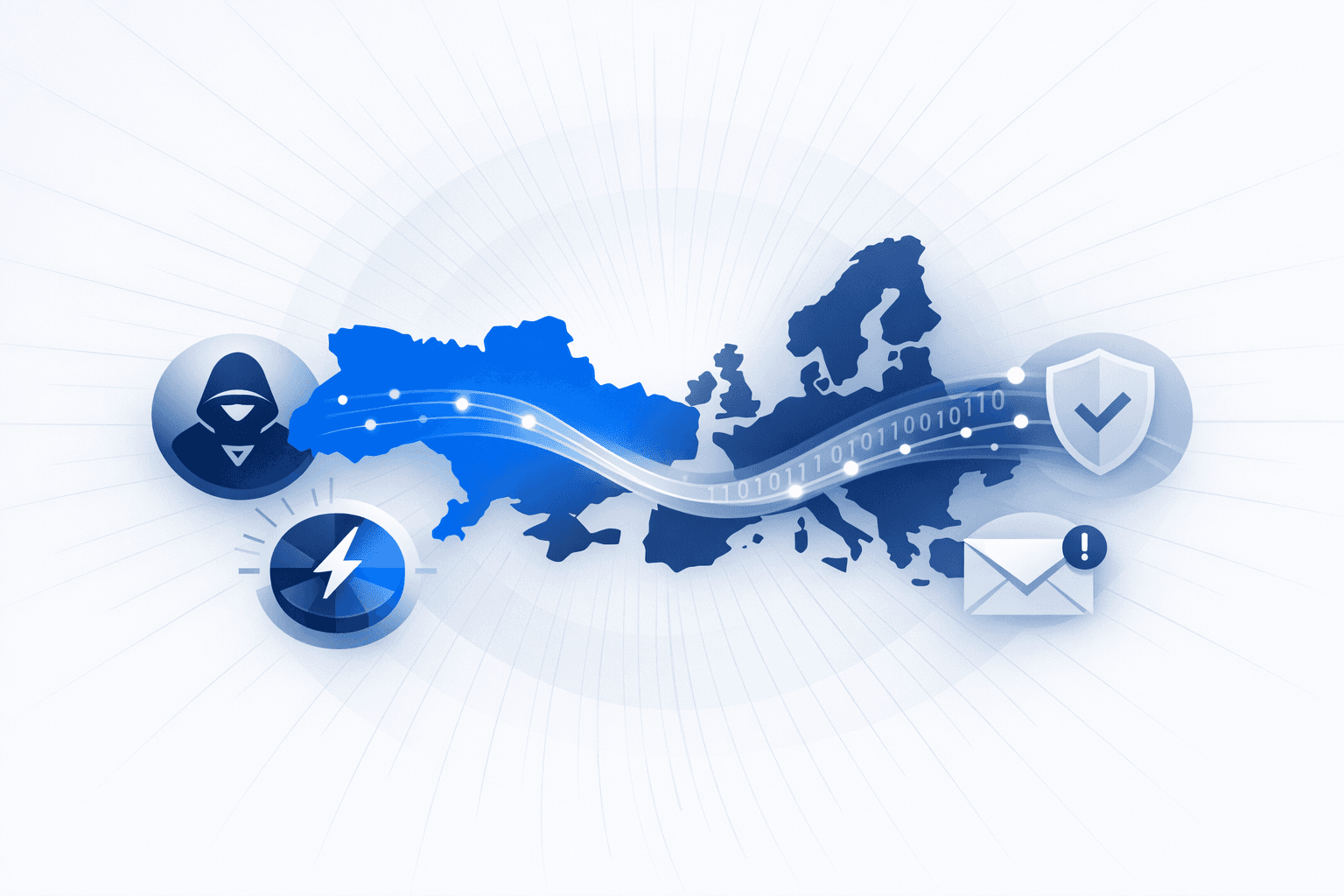
Ukraine said Russia-linked threat groups intensified cyberattacks against its critical infrastructure, government, communications, energy, and humanitarian logistics networks, using phishing and multiple destructive malware families including **HermeticWiper**, **IsaacWiper**, **CaddyWiper**, and **DoubleZero**. CERT-UA attributed activity during the period to several tracked clusters such as `UAC-0056`, `UAC-0051/UNC1151`, `UAC-0028/APT28`, and `UAC-0033/XDSpy`, and said the operations were tied to actors affiliated with Russian and Belarusian state structures and proxy entities. Ukrainian officials also reported targeting of organizations documenting war crimes and of European charities supporting refugees, underscoring that the campaign extended beyond domestic wartime targets. Researchers separately documented destructive intrusions in which **HermeticWiper** and **CaddyWiper** were deployed through Windows Group Policy after attackers had already gained broad control of victim networks. HermeticWiper hit finance organizations, government contractors, and other Ukrainian systems while also affecting some machines in Latvia and Lithuania; it corrupted local data and the master boot record, leaving devices unable to boot. In parallel, CERT-UA warned that phishing emails posing as antivirus updates delivered **Cobalt Strike** along with the **GraphSteel** and **GrimPlant** backdoors, a campaign linked with medium confidence to `UAC-0056`, showing that espionage, access operations, and destructive attacks were being conducted in tandem.
Aug 15, 2026