
Loading story…
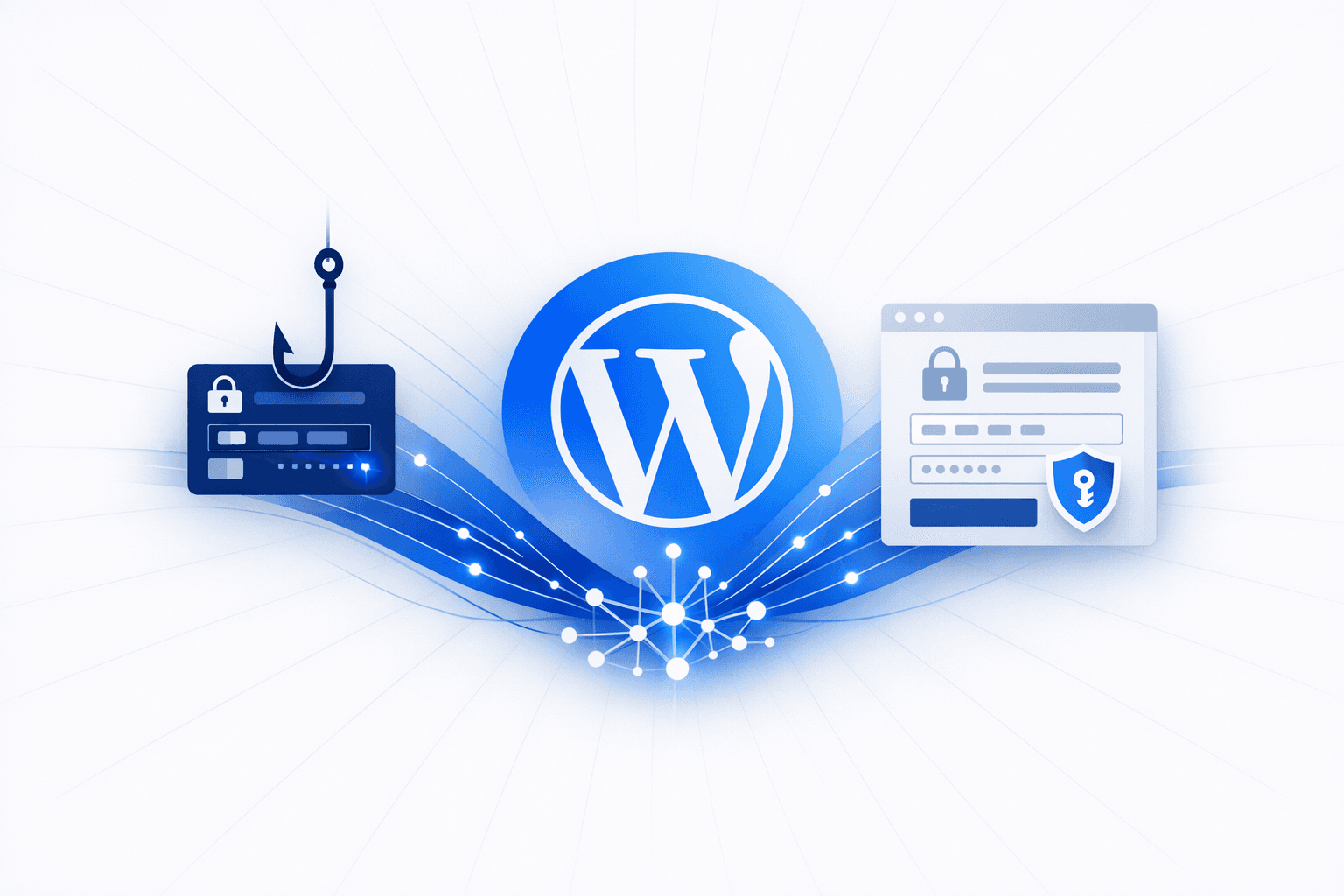
A sophisticated phishing campaign is targeting WordPress administrators with fake domain renewal emails that closely mimic legitimate WordPress.com notifications. The emails use urgency tactics and a professional appearance to convince recipients to act quickly, redirecting them to a fraudulent payment portal that replicates the official WordPress checkout interface. Victims are prompted to enter sensitive credit card details and two-factor authentication codes, which are then harvested and transmitted to attackers via Telegram messaging channels. The phishing infrastructure, including the fake payment page hosted at soyfix[.]com/log/log/, was identified and analyzed by independent security researchers, revealing a multi-stage attack designed to maximize the value of each compromised account.
The phishing portal collects cardholder information through a JavaScript form and immediately forwards the stolen data to the attackers. The campaign's generic approach, such as omitting specific domain names in the renewal notices, allows it to target a broad range of organizations and individuals. Security analysts warn that the convincing design and use of legitimate branding make these emails difficult to distinguish from authentic communications, increasing the risk of successful compromise among WordPress site administrators. Organizations are advised to scrutinize renewal notices and verify payment requests through official channels to avoid falling victim to this ongoing threat.
Get the infrastructure and lures behind it.
2 events from the most recent confirmed update back to the earliest known activity.
Analysis by security researcher Anurag Gawande detailed that the phishing kit steals credit card information and SMS one-time passcodes, then exfiltrates the data through Telegram bots. The research also identified campaign infrastructure including soyfix[.]com and use of Alibaba Cloud SMTP services.
A phishing campaign emerged that impersonates WordPress.com domain renewal notices to trick WordPress administrators into visiting a fraudulent payment portal. The operation uses spoofed email delivery and urgency-themed lures to harvest payment data from victims.
Vulnerabilities, threat actors, malware, products, organizations, breaches, and observables Mallory has linked to this story. Indicator values are masked here and available in full in the app.
Indicator values are masked on this page. See the values in Mallory Domains, IPs, hashes, and URLs are exportable to your SIEM.
Get the infrastructure, lures, and IOCs behind this campaign, ready to push into your email and identity stack.
2 references tracked. Mallory keeps watching after this page renders.
Map indicators from this story to your assets and identify affected systems in minutes.
Every observed campaign, victim, and pivot linked to actors named in this story.
Malware, exploits, and IOCs connected to the activity described here.
YARA, Sigma, and Snort rules deployed to your SIEM as soon as they’re published.
Get matching new stories delivered to your team as they break — not the next morning.
Ask questions about this story and take action on the answers.
Other stories Mallory is tracking that overlap on entities, sources, or topic labels.

A series of sophisticated cyberattacks have targeted online payment systems and e-commerce users through phishing emails, malicious browser extensions, and large-scale web skimming operations. One campaign impersonated WordPress.com, sending convincing domain renewal emails that redirected victims to a fake payment portal designed to steal credit card details and 3-D Secure OTPs, with exfiltration occurring via Telegram. Another operation involved over 50 malicious scripts injected into checkout and account creation flows on e-commerce sites, using modular payloads tailored for specific payment processors like Stripe, PayPal, and Mollie, and leveraging fake domains to evade detection. In parallel, threat actors have deployed malicious browser extensions across Chrome, Edge, and Firefox, impacting millions of users by hijacking search queries, stealing data, and committing affiliate fraud. These extensions often remain dormant for extended periods before being weaponized through updates, further complicating detection. Collectively, these campaigns demonstrate a significant evolution in cybercriminal tactics, blending phishing, web skimming, and browser-based attacks to compromise sensitive financial and personal information at scale.
Jun 29, 2026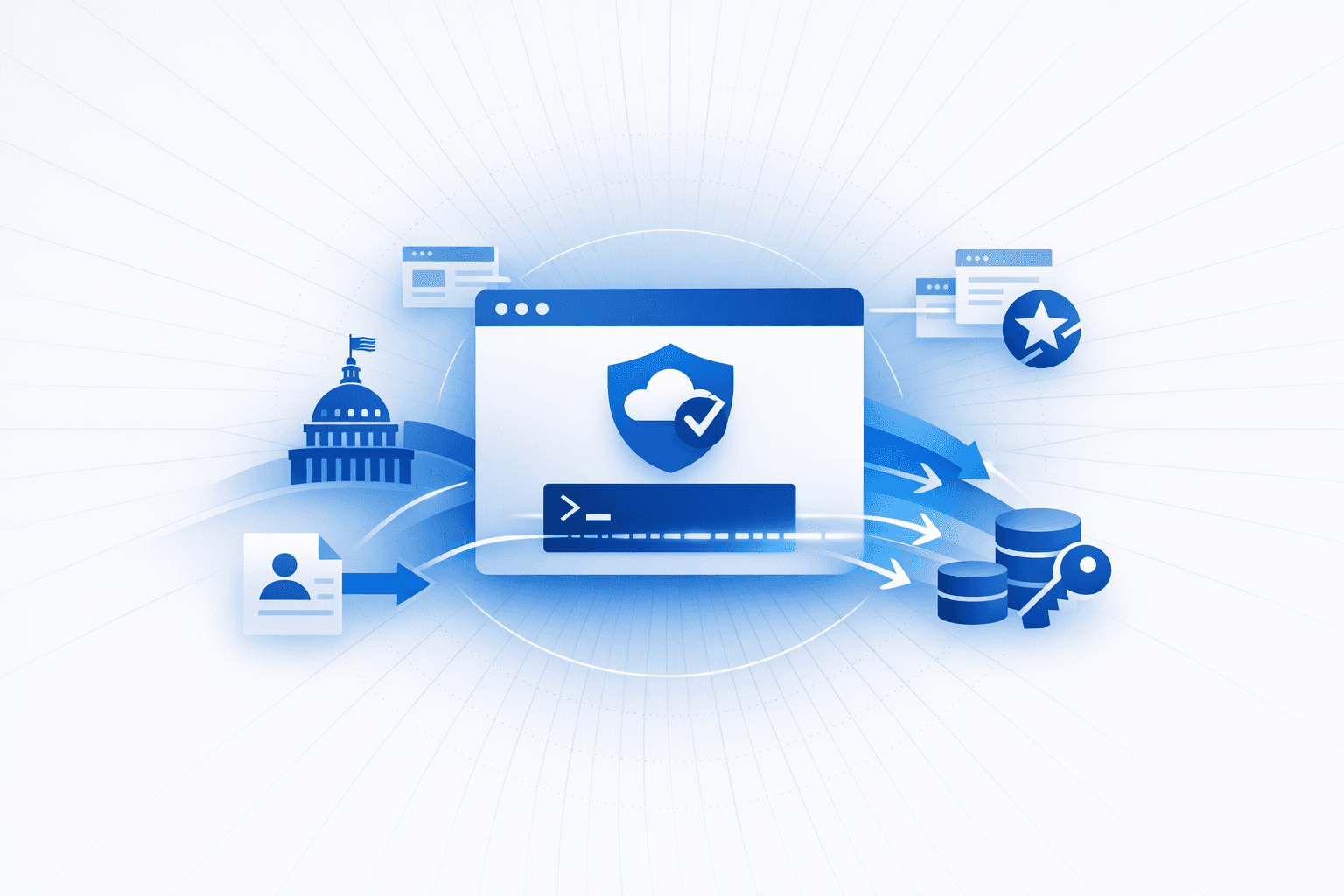
Threat actors covertly compromised **250+ legitimate WordPress websites**—including small businesses, regional media outlets, and at least one **U.S. Senate candidate** campaign site—and used them as distribution points for an **infostealer** operation. Rapid7 reported that attackers injected malicious code into the compromised sites to display a convincing **fake Cloudflare CAPTCHA** page that instructs visitors to **copy and execute a command** on their own machines, leveraging the **ClickFix** social-engineering technique to initiate malware delivery. Once executed, the malicious command leads to installation of credential-stealing malware capable of exfiltrating **browser-stored credentials**, **authentication cookies**, and **cryptocurrency wallet data**, with stolen “logs” potentially monetized on cybercrime forums. Reporting indicates the campaign has been active since **December** and shows signs of **high automation** across unrelated WordPress instances; Rapid7 also noted attacker-controlled domains used in the operation were registered around **July–August**, and the firm said it **notified U.S. authorities** to support investigation and remediation.
Jul 1, 2026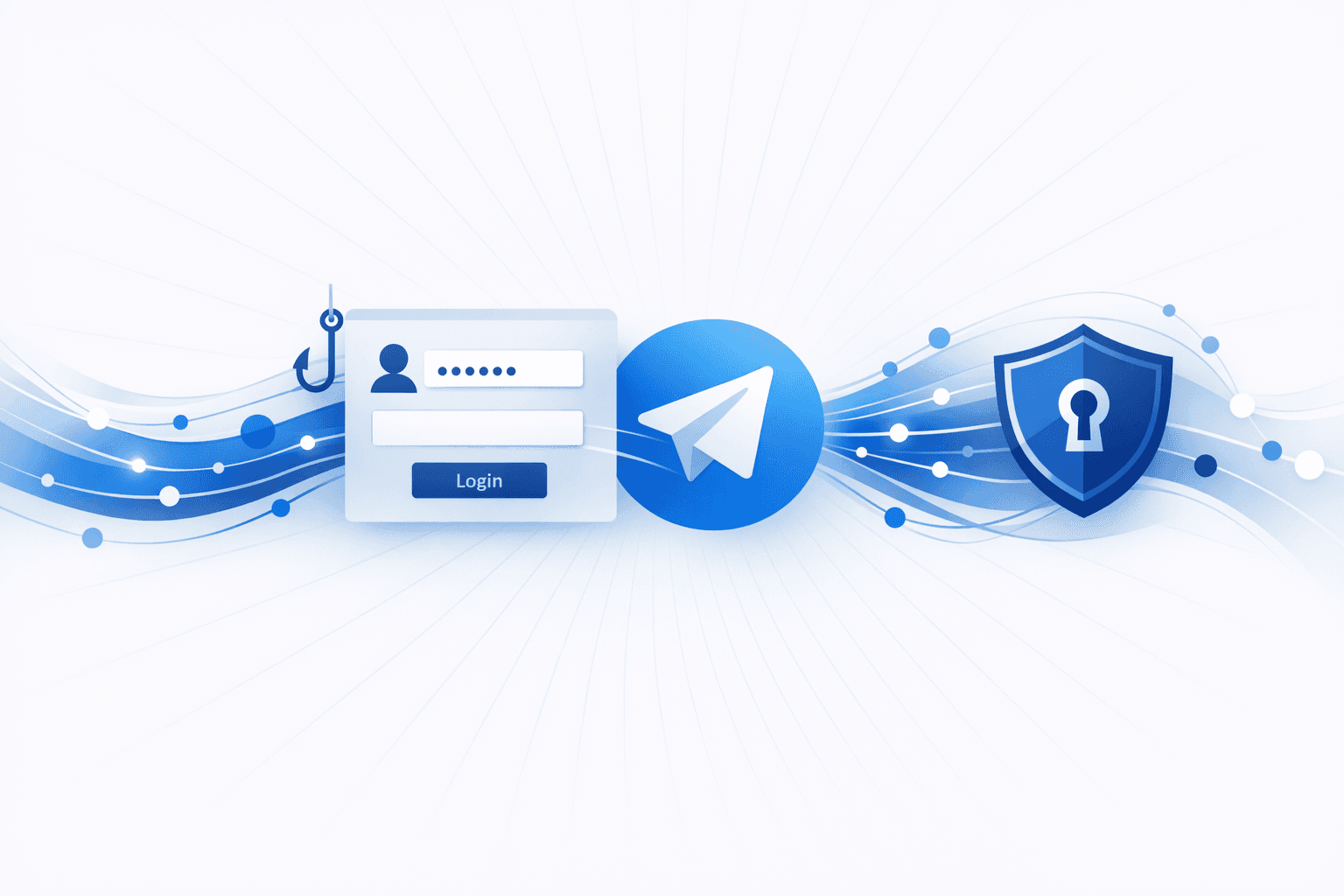
Researchers have identified sophisticated phishing campaigns targeting users of major web hosting and email services, employing advanced techniques to steal credentials and payment information. In one case, customers of Aruba S.p.A., a leading Italian web hosting provider, were targeted with phishing emails that mimicked official notifications about expiring services or failed payments. Victims were directed to fake login and payment pages, where their email addresses were pre-filled to enhance credibility. The phishing kit used in this campaign incorporated CAPTCHA filtering to evade detection and utilized Telegram bots for real-time exfiltration of stolen credentials and credit card details. A parallel campaign has been observed where users receive fake spam filter alerts, claiming that important emails have been blocked due to a supposed system upgrade. These emails, appearing to originate from the recipient's own domain, prompt users to log in via a link to a spoofed webmail page, again with pre-filled email addresses. The phishing sites employ tactics such as repeated invalid login prompts to harvest passwords and use obfuscated code and websockets for instant credential theft. In both campaigns, Telegram is used as the primary channel for attackers to receive stolen data, highlighting a trend in the use of messaging platforms for cybercriminal coordination and data exfiltration.
Jun 29, 2026