
Loading story…
A critical security vulnerability, tracked as CVE-2026-21858 and dubbed "Ni8mare," has been discovered in the open-source workflow automation platform n8n. This flaw allows unauthenticated remote attackers to gain full control over vulnerable n8n instances by exploiting a content-type confusion issue in the platform's workflow processing. The vulnerability, rated CVSS 10.0, enables attackers to access files on the underlying server, potentially exposing sensitive information and allowing further compromise depending on the deployment and workflow configuration. Researchers at Cyera identified and reported the issue, and n8n has issued advisories urging immediate patching.
The Ni8mare vulnerability is distinct from other recent critical flaws in n8n, as it does not require any credentials for exploitation. Over 100,000 n8n servers are believed to be at risk, with the platform widely used for automating tasks and integrating AI services. Administrators are strongly advised to update to the latest secure version and review workflow configurations to mitigate the risk of unauthorized access and system compromise. The disclosure follows a series of high-severity vulnerabilities in n8n, underscoring the urgent need for robust security practices in workflow automation environments.

See affected versions and whether adversaries are exploiting it.
9 events from the most recent confirmed update back to the earliest known activity.
MBSD-SOC reported attacks targeting CVE-2026-21858 in February 2026 and said it first observed exploitation attempts on 2026-02-04. The activity included a POST request to /form/avatar attempting to read /proc/self/environ via the filepath parameter, indicating public PoC-driven scanning or exploitation.
The Canadian Centre for Cyber Security issued Alert AL26-001 covering CVE-2026-21858 and other n8n flaws. The alert warned that public proof-of-concept exploits existed and advised organizations to patch or restrict public webhook and form endpoints.
Follow-up exposure tracking found 105,753 exposed n8n instances over the weekend, with 59,558 still exposed on Sunday. The update highlighted continued large-scale internet exposure of unpatched deployments after public disclosure.
Horizon3.ai published an analysis arguing that real-world exploitation usually requires uncommon, non-default conditions such as a publicly accessible form workflow and a way to retrieve local files. The company said it found no impacted customer production environments during its review, while still recommending patching.
Researchers and internet scanning data published with the disclosure estimated large numbers of exposed n8n instances, ranging from 26,512 observed internet-facing hosts to claims of more than 100,000 potentially vulnerable servers. The largest concentrations were reported in the United States and Europe.
Multiple reports on the public disclosure date explained that attackers could chain arbitrary file read, secret extraction, forged admin session cookies, and workflow-based command execution to fully compromise self-hosted n8n instances. Cyera named the issue "Ni8mare" and rated it critical with a CVSS score of 10.0.
Public disclosure of CVE-2026-21858 began through GitHub and CVE listings, describing unauthenticated file access via improper webhook request handling and recommending upgrades to 1.121.0 or later. Reports also noted that restricting or disabling public webhook and form endpoints could reduce exposure until patching.
n8n fixed CVE-2026-21858 in release 1.121.0. The patch addressed the vulnerable webhook/form handling affecting versions up to and including 1.65.0.
Cyera researchers privately disclosed CVE-2026-21858, later dubbed "Ni8mare," to n8n in early November 2025. The report described an improper webhook request handling issue that could enable unauthenticated file access and further compromise.
Vulnerabilities, threat actors, malware, products, organizations, and breaches Mallory has linked to this story.
See whether adversaries are exploiting this yet, and where the affected versions run in your environment.
17 references tracked. Mallory keeps watching after this page renders.
mbsd.jp
Open sourceschneier.com
Open sourcelevelblue.com
Open sourcecyber.gc.ca
Open sourcegithub.com
Open sourcethehackernews.com
Open sourcecsoonline.com
Open sourcebleepingcomputer.com
Open sourceMap indicators from this story to your assets and identify affected systems in minutes.
Every observed campaign, victim, and pivot linked to actors named in this story.
Malware, exploits, and IOCs connected to the activity described here.
YARA, Sigma, and Snort rules deployed to your SIEM as soon as they’re published.
Get matching new stories delivered to your team as they break — not the next morning.
Ask questions about this story and take action on the answers.
Other stories Mallory is tracking that overlap on entities, sources, or topic labels.
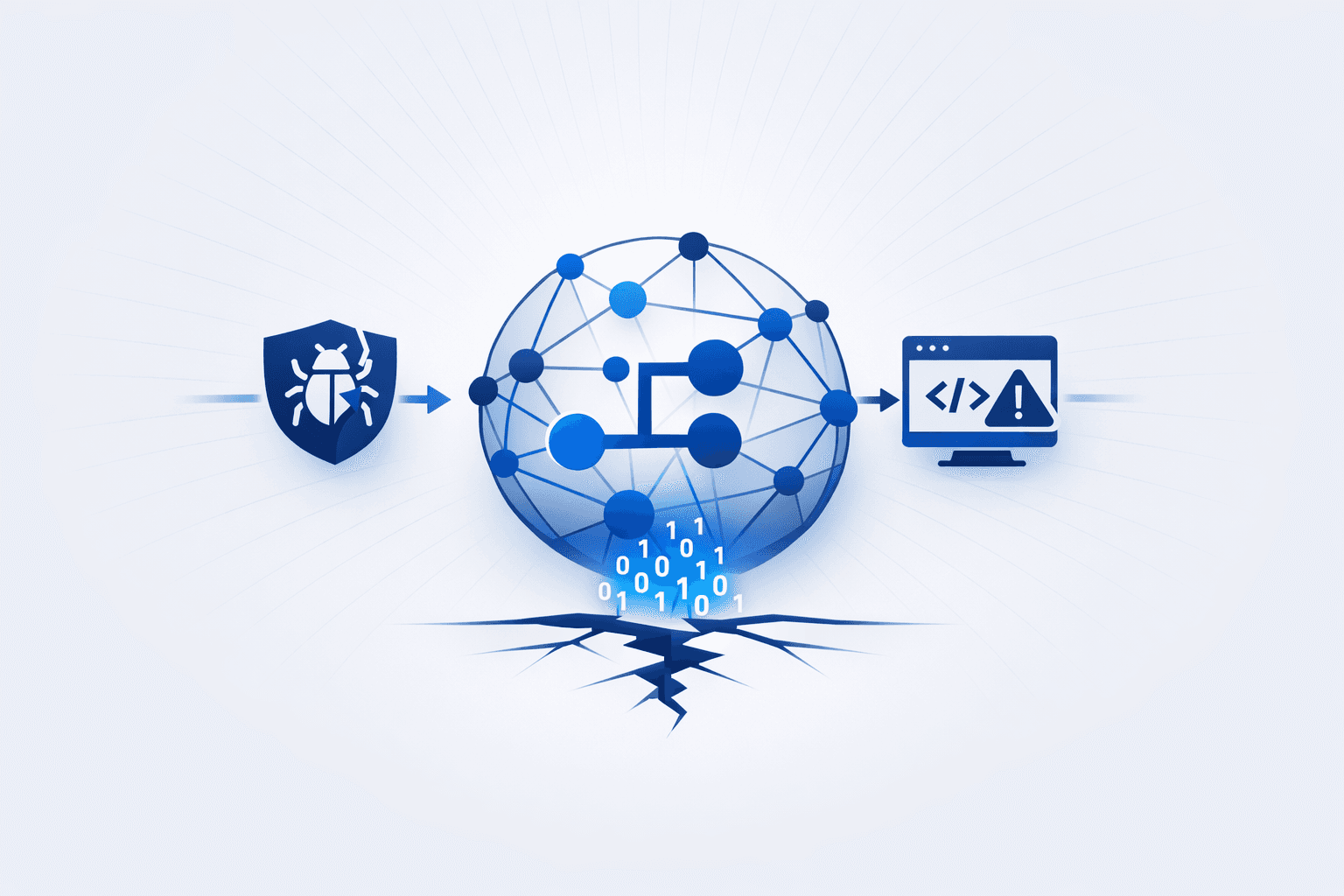
A maximum-severity vulnerability, tracked as CVE-2026-21858 and dubbed 'Ni8mare,' was disclosed in the n8n workflow automation platform, allowing unauthenticated remote code execution and potential full system compromise on locally deployed instances running versions prior to 1.121.0. The flaw arises from improper validation of incoming data in form-based workflows, enabling attackers to craft requests that bypass expected content-type checks and execute arbitrary code. This vulnerability has drawn significant attention in the security community, with reports highlighting the risk of full environment compromise and the rapid exploitation potential due to n8n's widespread use in automation and integration workflows. Concurrently, underground forums have surfaced with alleged exploit sales targeting n8n, further amplifying the threat landscape for organizations relying on this platform. In addition to the core vulnerability, researchers identified a supply chain attack involving malicious npm packages masquerading as legitimate n8n integrations. These packages, once installed, exfiltrate OAuth tokens and API keys from enterprise workflows, representing a new escalation in supply chain threats targeting automation platforms. While there is no confirmed link between the npm supply chain attack and the CVE-2026-21858 vulnerability, both incidents underscore the growing focus of threat actors on the n8n ecosystem. Security experts warn that organizations may overlook these risks, as automation platforms often operate deep within business processes and may not be subject to the same scrutiny as traditional build systems. The convergence of a critical RCE flaw and active supply chain threats highlights the urgent need for patching, vigilant monitoring of third-party integrations, and enhanced supply chain security practices for n8n deployments.
Jun 29, 2026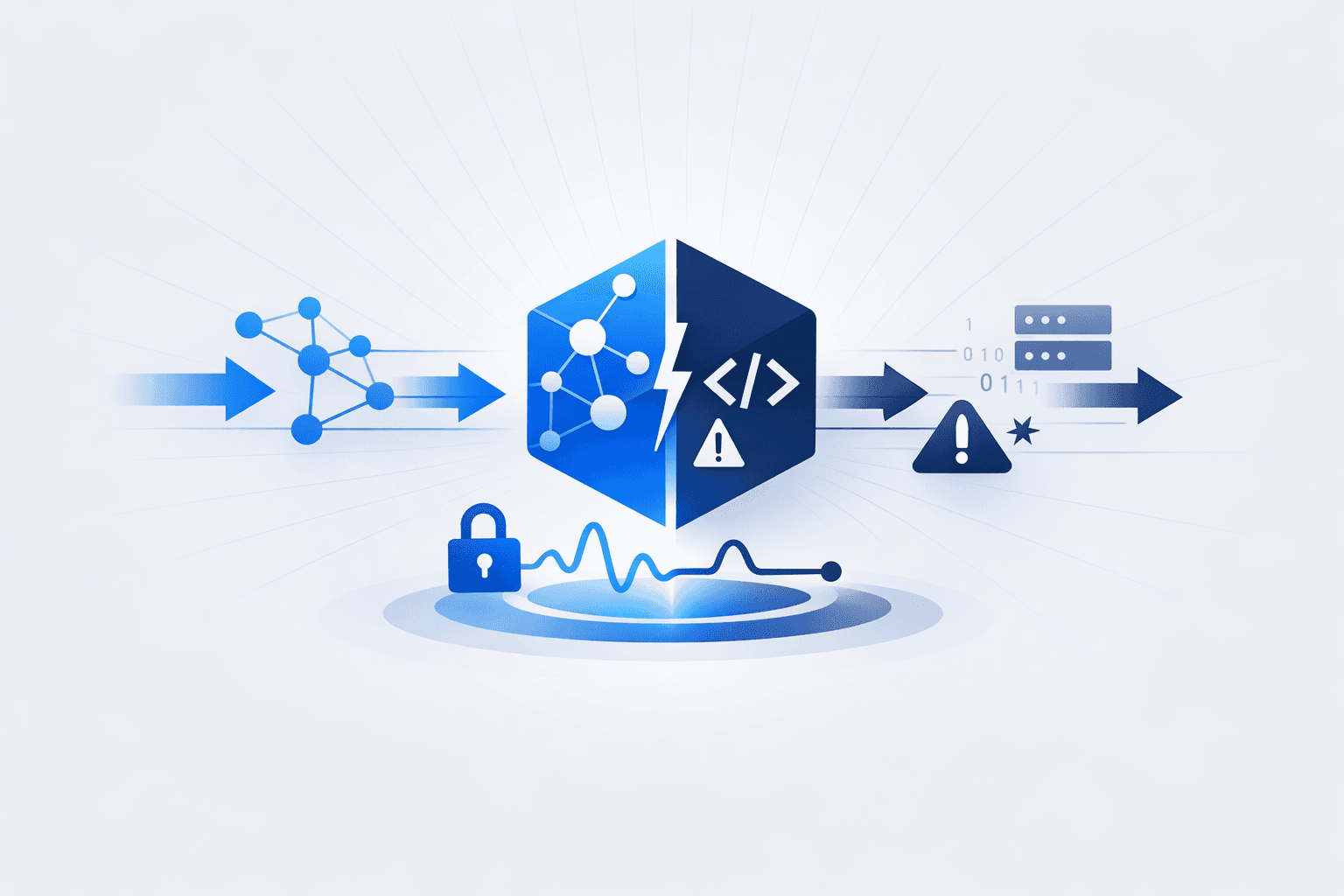
Multiple critical vulnerabilities have been disclosed in the open-source workflow automation platform n8n, exposing both self-hosted and cloud deployments to severe security risks. The most severe flaw, tracked as CVE-2026-21877, allows authenticated attackers to execute arbitrary code on affected instances, potentially granting full control over the system. This vulnerability impacts a wide range of n8n installations, and while patches have been released, unpatched systems remain at risk. Another critical flaw, CVE-2026-21858, has also been highlighted, with reports indicating that over 100,000 servers could be exposed due to the public release of exploit code. Security researchers have emphasized the urgency of applying available patches to mitigate these threats, as the public availability of exploits significantly increases the likelihood of widespread attacks. Organizations using n8n are strongly advised to update their deployments immediately and review their exposure, especially if instances are accessible from the internet. The vulnerabilities underscore the importance of timely patch management and monitoring for signs of compromise in automation and integration platforms.
Jun 29, 2026
A critical remote code execution vulnerability, tracked as CVE-2026-21877, has been identified in the n8n workflow automation platform. The flaw, rated CVSS 10.0, allows authenticated users to execute arbitrary code on affected n8n instances, posing a significant risk to environments where n8n is used to automate workflows with access to sensitive data, internal systems, and credentials. The vulnerability impacts n8n versions from 0.123.0 up to but not including 1.121.3, affecting both self-hosted and managed deployments. Exploitation requires authenticated access, and the vulnerability is linked to unsafe handling that can result in the execution of untrusted code. The issue has been addressed in n8n version 1.121.3 and later, and users are strongly advised to upgrade immediately to mitigate the risk. Additional recommendations include restricting workflow modification access to trusted administrators, blocking high-risk nodes at runtime, and reviewing audit logs for suspicious activity prior to patching. No public exploit details or proof-of-concept have been released as of the latest advisories. Organizations using n8n should prioritize patching and implement hardening measures to prevent potential compromise of their automation infrastructure.
Jun 29, 2026