Loading story…

Security researchers reported escalating criminal abuse of large language model (LLM) infrastructure, including active exploitation of exposed or weakly authenticated AI service endpoints. Pillar Security documented more than 35,000 attack sessions over ~40 days against honeypots and attributed the activity to an operation dubbed “Bizarre Bazaar,” described as an early example of actor-attributed “LLMjacking.” The activity targeted misconfigured/self-hosted deployments and AI APIs (including unauthenticated Ollama endpoints on 11434 and OpenAI-compatible APIs on 8000), with attackers moving quickly once endpoints appeared in internet-wide scanners such as Shodan/Censys.
Reported objectives included stealing compute (e.g., crypto mining), reselling illicit API access on underground markets, exfiltrating prompt/conversation data, and attempting pivoting into internal systems via publicly accessible Model Context Protocol (MCP) servers. Separately, Palo Alto Networks Unit 42 described a proof-of-concept phishing technique where a benign-looking page calls a legitimate LLM API to generate per-victim JavaScript in real time, assembling a personalized phishing site in the browser to reduce the presence of static indicators and evade traditional detections; researchers noted similar building blocks are already being used for obfuscated JavaScript and malware-related activity.

Track how attackers are adapting to this technology.
4 events from the most recent confirmed update back to the earliest known activity.
A joint investigation by SentinelOne SentinelLABS and Censys found about 175,000 publicly exposed Ollama hosts across 130 countries. Researchers warned that many lacked authentication, nearly half advertised tool-calling capabilities, and some used uncensored prompt templates, creating significant risk of abuse including LLMjacking.
Pillar Security assessed Bizarre Bazaar as a three-actor criminal supply chain and linked the activity to the aliases Hecker, Sakuya, and LiveGamer101. The campaign's resale infrastructure was tied to silver[.]inc and a promoted project called NeXeonAI, while the service remained operational at the time of reporting.
Pillar Security reported an active campaign dubbed 'Bizarre Bazaar' targeting exposed or weakly authenticated LLM endpoints, with more than 35,000 attack sessions observed over a 40-day period. The operation abused misconfigured self-hosted LLM services to steal compute, resell API access, exfiltrate prompt data, and probe for internal pivoting opportunities via MCP servers.
Palo Alto Networks Unit 42 warned that generative AI could be used to build highly personalized phishing pages on the fly. In the proof-of-concept, a benign-looking page calls a legitimate LLM API to generate victim-specific JavaScript that assembles the phishing content in the browser, reducing static artifacts that defenders typically detect.
Vulnerabilities, threat actors, malware, products, organizations, breaches, and observables Mallory has linked to this story. Indicator values are masked here and available in full in the app.
Indicator values are masked on this page. See the values in Mallory Domains, IPs, hashes, and URLs are exportable to your SIEM.
Follow how adversaries are adapting to this technology, and where it touches your stack today.
4 references tracked. Mallory keeps watching after this page renders.
thehackernews.com
Open sourcescworld.com
Open sourcebleepingcomputer.com
Open sourcescworld.com
Open sourceMap indicators from this story to your assets and identify affected systems in minutes.
Every observed campaign, victim, and pivot linked to actors named in this story.
Malware, exploits, and IOCs connected to the activity described here.
YARA, Sigma, and Snort rules deployed to your SIEM as soon as they’re published.
Get matching new stories delivered to your team as they break — not the next morning.
Ask questions about this story and take action on the answers.
Other stories Mallory is tracking that overlap on entities, sources, or topic labels.
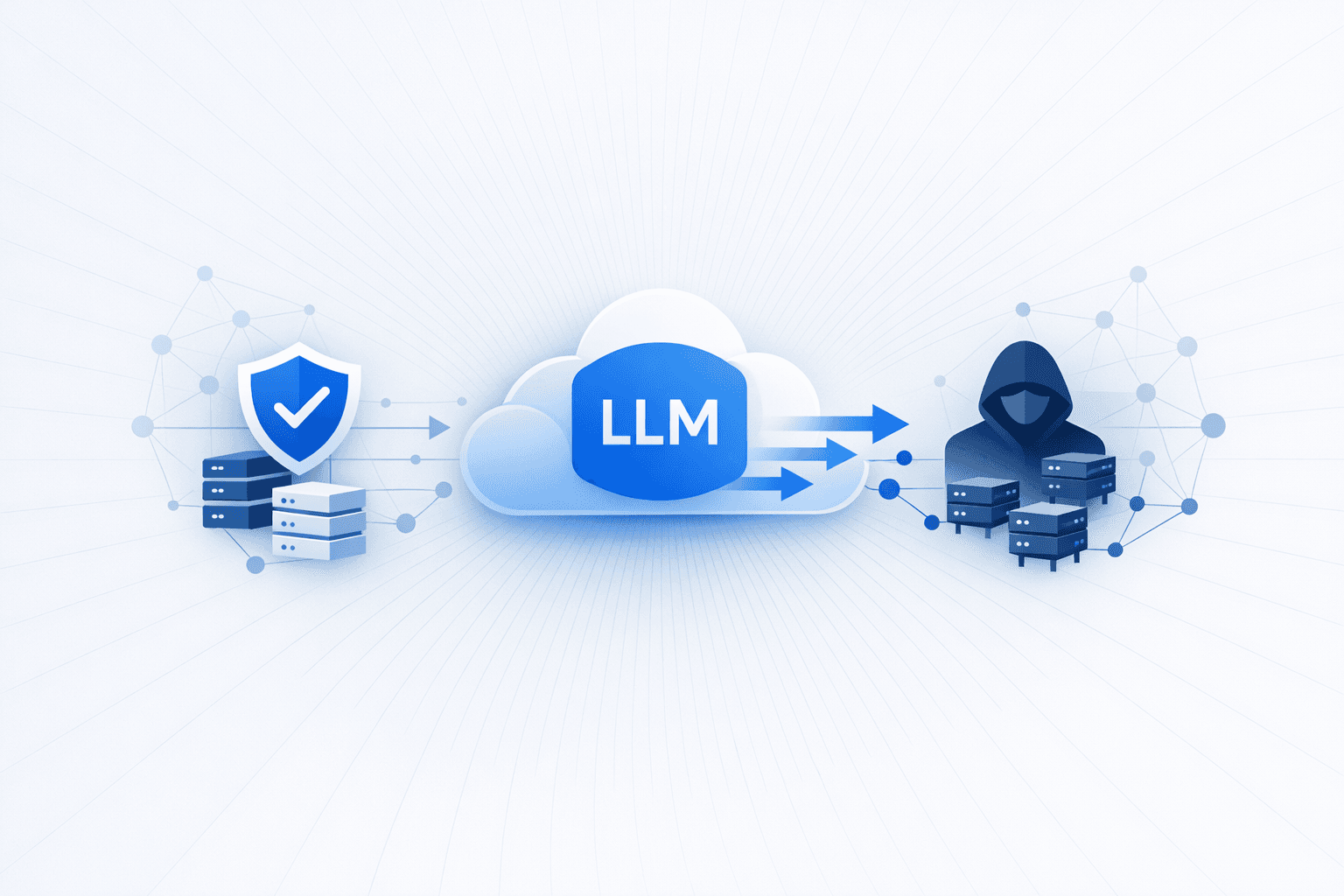
Threat actors are actively exploiting misconfigured proxy servers to gain unauthorized access to paid Large Language Model (LLM) services, including those from OpenAI, Google Gemini, Anthropic, Meta, and others. These attacks, referred to as "LLMjacking," involve advanced enumeration techniques, server-side request forgery (SSRF), and the use of custom scripts to identify and hijack exposed LLM endpoints. The attackers leverage distributed virtual private server (VPS) infrastructure and sophisticated operational security measures, indicating a well-resourced and coordinated campaign. Stolen access to these commercial AI endpoints is being monetized on underground forums, highlighting the financial motivation and the growing underground market for compromised LLM credentials. Recent threat intelligence and incident reports confirm that this campaign has been ongoing since late 2025, with systematic, low-noise probing of enterprise AI infrastructure. Security researchers have observed attackers actively attempting to access various LLM pathways, including through honeypots set up for OpenAI, Gemini, and Claude endpoints. While there is no direct attribution to known APT groups, the technical sophistication and scale of the operation suggest involvement by organized cybercriminals or advanced grey-hat operators. Organizations are urged to review and secure their proxy configurations and monitor for unusual access patterns to prevent unauthorized use of their paid AI services.
Jan 11, 2026Researchers and vendors reported a sharp rise in attacks targeting AI infrastructure, from exposed self-hosted LLM servers to commercial coding assistants used in real intrusions. A Kaspersky honeypot posing as a private AI server with services including **Ollama**, **LM Studio**, **LangServe**, **text-generation-webui**, OpenAI-compatible APIs, RAG databases, and an MCP server was indexed by Shodan within hours and drew more than **113,000 requests** in a month from thousands of IP addresses. Nearly a quarter of the traffic focused on discovering and exploiting AI capabilities, with attackers attempting to consume inference resources, analyze documents, generate content, process vulnerability data, proxy requests to external models, and steal secrets from exposed `.env` files using tooling such as **LLM-Scanner**. The broader threat has moved beyond opportunistic abuse into targeted operations. Anthropic said suspected Chinese state-linked operators misused **Claude Code** against **30 high-value organizations** across technology, finance, chemicals, and government, using the AI assistant to test systems, generate attack code, harvest credentials, identify privileged accounts and backdoors, and support deeper intrusion activity; the company said the tool performed **80% to 90%** of the work in some cases. Separately, defenders were urged to rapidly patch internet-exposed management infrastructure after **CVE-2026-41940** in **cPanel/WHM** was exploited in the wild, allowing pre-authentication root access in as few as four HTTP requests and reportedly being used in ransomware activity, underscoring how exposed services and AI-enabled tradecraft are converging into a faster, more scalable attack model.
May 1, 2026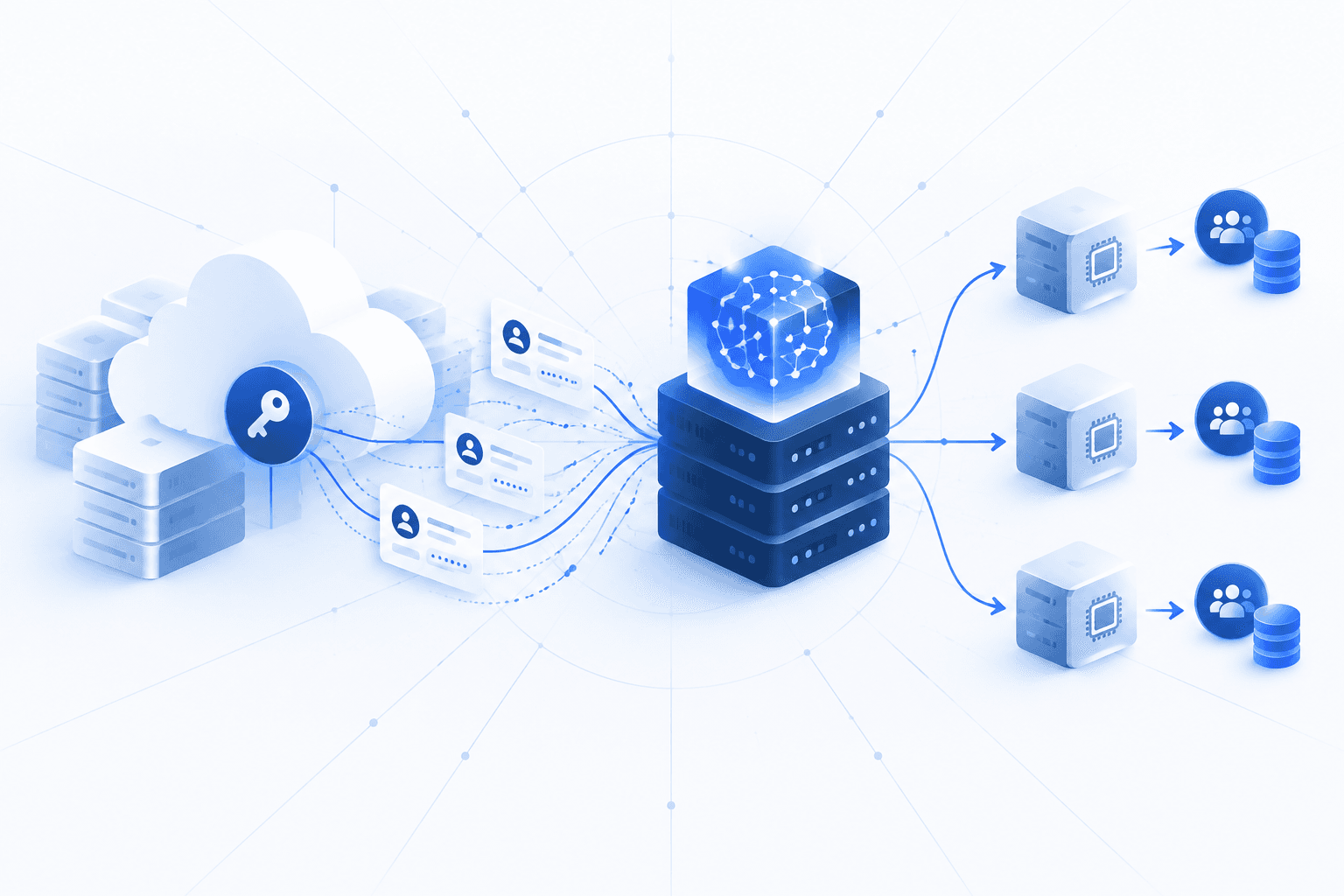
Attackers are increasingly monetizing stolen cloud credentials through **LLMjacking**: unauthorized use of hosted large-language-model services that charges inference costs to victims. In observed AWS incidents, attackers used long-lived IAM keys with `AdministratorAccess` to create IAM users, accept Amazon Bedrock Marketplace agreements, and invoke foundation models; earlier activity used credentials exposed through a vulnerable Laravel instance affected by `CVE-2021-3129` to test access across multiple AI platforms and target Anthropic Claude through Bedrock. Adversaries have used malformed `InvokeModel` requests to validate access and checked whether invocation logging was enabled, while sustained abuse of Claude quotas across regions was estimated to cost more than $46,000 per day and exhaust legitimate customer capacity. The activity has developed into a commercial access market. Researchers report that “Operation Bizarre Bazaar” scans for exposed, unauthenticated APIs and Model Context Protocol (MCP) servers using internet-search services, validates compromised access, and resells LLM compute or API access through Telegram and Discord marketplaces for cryptocurrency and PayPal. MCP compromise may also enable access to connected internal file systems or databases, extending the risk beyond fraudulent AI consumption. Organizations should eliminate long-lived privileged keys, use short-lived role credentials and least-privilege permissions, remediate exposed services and secret leaks, and investigate new Bedrock activity—especially identity creation, unfamiliar source IPs, service enumeration, access-denied events, and missing or disabled CloudTrail and model-invocation logs.
Sep 3, 2026