Loading story…

Multiple active malware campaigns are delivering remote access trojans (RATs) using deceptive lures and multi-stage execution chains designed to evade endpoint defenses. Malwarebytes reported a campaign dubbed DEAD#VAX that distributes a file masquerading as a “PDF” but actually delivered as a virtual hard disk (.vhd) hosted via IPFS; when opened, Windows mounts the VHD and the victim is tricked into launching a Windows Script File (.wsf) that ultimately deploys AsyncRAT. The chain includes anti-analysis checks and process injection into Microsoft-signed binaries such as RuntimeBroker.exe, OneDrive.exe, taskhostw.exe, and sihost.exe, enabling hands-on-keyboard remote control while minimizing obvious on-disk artifacts.
Separately, reporting described DesckVB RAT v2.9, a modular .NET RAT using an obfuscated WSH JavaScript stager followed by PowerShell-based anti-analysis checks and an in-memory (“fileless”) loader, emphasizing persistence and a plugin-based architecture for post-compromise capabilities. Another campaign distributes ValleyRAT disguised as a legitimate LINE installer, targeting Chinese-speaking users; it attempts to weaken defenses by using PowerShell to add broad Windows Defender exclusions, performs sandbox checks (e.g., mutex/file-locking behaviors), and uses advanced injection (reported as PoolParty Variant 7 via Windows I/O completion ports) to hide within trusted processes while stealing credentials and maintaining C2 communications.

Pull IOCs and campaign context straight into your stack.
6 events from the most recent confirmed update back to the earliest known activity.
The DEAD#VAX infection chain performed anti-analysis checks and injected AsyncRAT shellcode into legitimate Microsoft-signed processes including RuntimeBroker.exe, OneDrive.exe, taskhostw.exe, and sihost.exe. This fileless approach enabled remote access, credential theft, surveillance, and potential lateral movement while reducing forensic artifacts.
A phishing campaign dubbed DEAD#VAX used VHD files disguised as PDF invoices or purchase orders and hosted lures on IPFS. When opened, Windows mounted the VHD and exposed a malicious WSF script that executed instead of displaying a document.
Technical analysis showed DesckVB RAT uses a modular plugin architecture delivered over a custom TCP protocol, allowing operators to add capabilities after compromise. Documented plugins included keylogging, webcam streaming through DirectShow, and antivirus or security product enumeration.
Researchers observed DesckVB RAT v2.9 being used in active campaigns, employing a multi-stage infection chain that starts with an obfuscated WSH JavaScript stager and transitions to PowerShell and a fileless .NET loader. The malware was designed for persistence and evasion while minimizing disk artifacts.
Cybereason reported that this ValleyRAT variant used PoolParty Variant 7 injection via Windows I/O completion ports to hide inside trusted processes such as Explorer.exe and UserAccountBroker.exe. The malware also scanned for security products, used UserAccountBroker.exe as a watchdog, and persisted through scheduled tasks created over RPC.
Threat actors distributed the ValleyRAT backdoor disguised as a legitimate LINE messaging app installer, primarily targeting Chinese-speaking users. The malware used a multi-stage loading chain, attempted to weaken Windows Defender with broad exclusions, and established persistence for surveillance and credential theft.
Vulnerabilities, threat actors, malware, products, organizations, and breaches Mallory has linked to this story.
Pull the IOCs, campaigns, and victimology behind this family, ready to push into your SIEM and EDR.
3 references tracked. Mallory keeps watching after this page renders.
malwarebytes.com
Open sourcecybersecuritynews.com
Open sourcecybersecuritynews.com
Open sourceMap indicators from this story to your assets and identify affected systems in minutes.
Every observed campaign, victim, and pivot linked to actors named in this story.
Malware, exploits, and IOCs connected to the activity described here.
YARA, Sigma, and Snort rules deployed to your SIEM as soon as they’re published.
Get matching new stories delivered to your team as they break — not the next morning.
Ask questions about this story and take action on the answers.
Other stories Mallory is tracking that overlap on entities, sources, or topic labels.

Multiple campaigns are using phishing emails and archive-based lures to deliver remote access malware through stealthy, multi-stage infection chains. Point Wild documented **Remcos RAT**, **DesckVB RAT**, and a Rust-based **COVERT RAT** being delivered through ZIP attachments, weaponized `LNK` files, obfuscated JavaScript droppers, and hidden PowerShell execution, often with decoy documents to mask activity. The payloads were loaded filelessly through .NET reflection and in-memory execution, with operators abusing legitimate binaries and services such as `aspnet_compiler.exe`, GitHub, and paste or web-hosting platforms to stage malware while evading detection. Reported command-and-control infrastructure included `192.3.27.141:8087`, `172.245.246.77:8080`, and `181.231.253.69:4444`, while observed artifacts included `C:\ProgramData\remcos\logs.dat`, `C:\ProgramData\colors\logs.dat`, and payload names such as `ALTERNATE.dll`, `ClassLibrary3.dll`, `Keylogger.dll`, and `msedge_proxy.exe`. Separate reporting showed the same tradecraft extending beyond custom RATs to commodity remote-access software and credential theft. A campaign targeting Russian aerospace and aviation organizations used invoice-themed phishing and spoofed domains to install a portable **AnyDesk** instance for unattended access, maintain persistence with a scheduled task, minimize visibility with Tray Minimizer, and exfiltrate configuration data through a command-line SMTP mailer; Seqrite linked the activity to **Rare Werewolf (Librarian Ghouls)**. Securonix research cited by Trojan Killer described **VEIL#DROP** using fake document-style JavaScript files, Blogspot-hosted staging, PowerShell download cradles, XOR decoding, and in-memory .NET loading to deploy **PureLog Stealer**, which targets browser credentials, cookies, session tokens, wallet data, and host information. Across the campaigns, the common pattern is phishing-led initial access followed by LOLBins, PowerShell, staged downloads, persistence, and covert data theft or long-term remote control.
Jul 12, 2026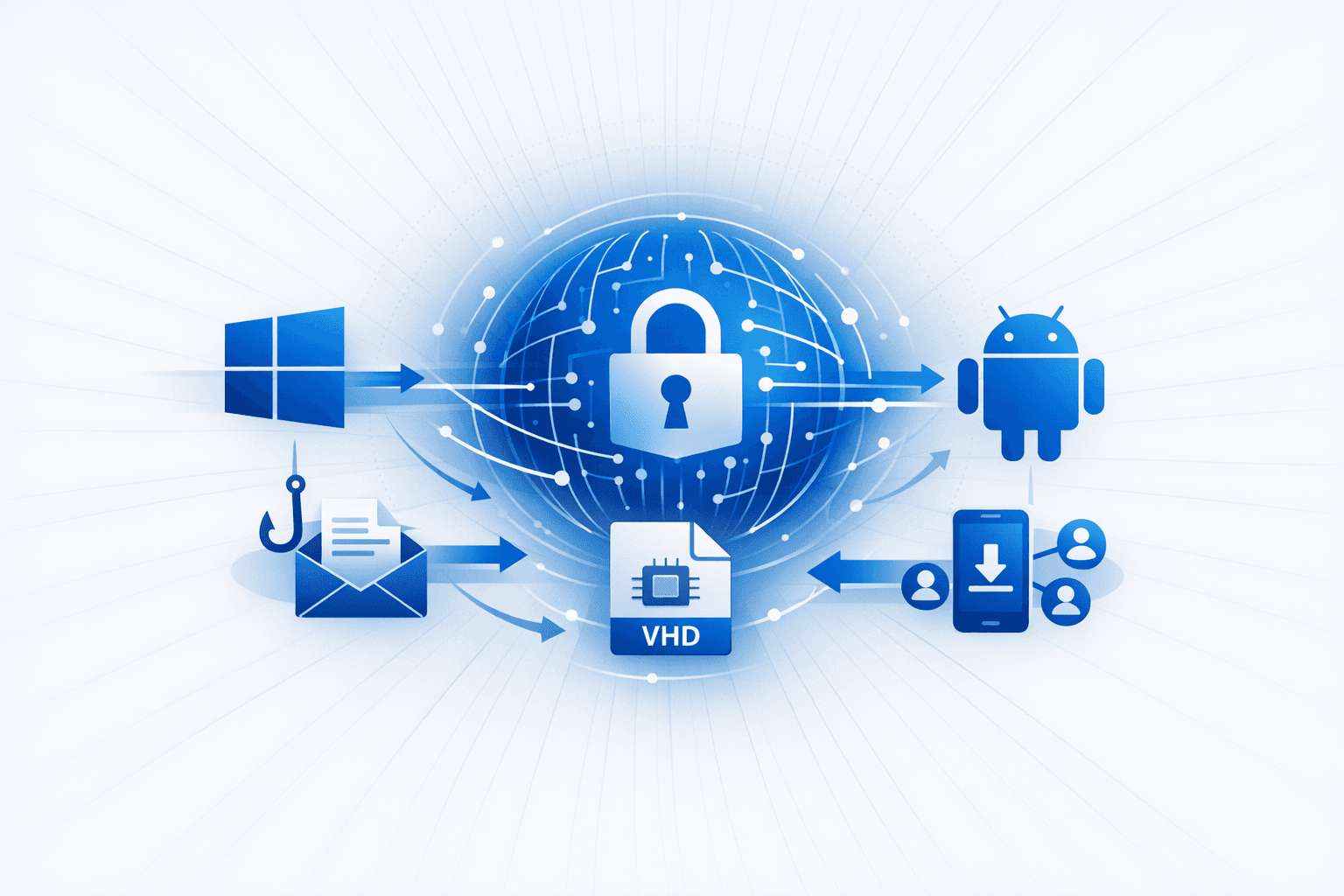
Threat researchers reported several unrelated **RAT-focused malware campaigns** using different delivery channels and evasion techniques. **DEAD#VAX** was described as a Windows phishing operation that delivers **AsyncRAT** via purchase-order lures, abusing **IPFS-hosted VHD** files disguised as PDFs; the mounted VHD drops a multi-stage chain using **WSF**, heavily obfuscated batch scripts, and PowerShell loaders to decrypt and execute x64 shellcode **in memory** by injecting into trusted Windows processes, minimizing on-disk artifacts. Separately, analysis of **Pulsar RAT** activity described persistence via the per-user Run key (`HKCU\Software\Microsoft\Windows\CurrentVersion\Run`), an obfuscated batch dropper in *AppData*, PowerShell-based staging, and **Donut-generated shellcode** injection into processes such as `explorer.exe`, with anti-analysis features and data theft (credentials, wallets, tokens) exfiltrated via **Discord webhooks**. On Android, two distinct campaigns were highlighted. **Anatsa** banking malware was found distributed through **Google Play** in a trojanized “document reader” app that exceeded **50,000 downloads** before detection; the initial app acts as a loader that retrieves the full banking trojan and supports credential theft and C2-driven actions, with reporting attributing discovery and tracking to **Zscaler ThreatLabz**. **Arsink RAT** was reported spreading primarily via **Telegram/Discord** and file-sharing sites (e.g., MediaFire) through fake “mod/pro” apps impersonating major brands; research attributed to **Zimperium** cited **~45,000** victim IPs across **143 countries**, **1,216** malicious APKs, and **317** Firebase Realtime Database C2 endpoints, with capabilities including SMS/OTP theft, call log and contact harvesting, location tracking, and microphone audio capture.
Jun 29, 2026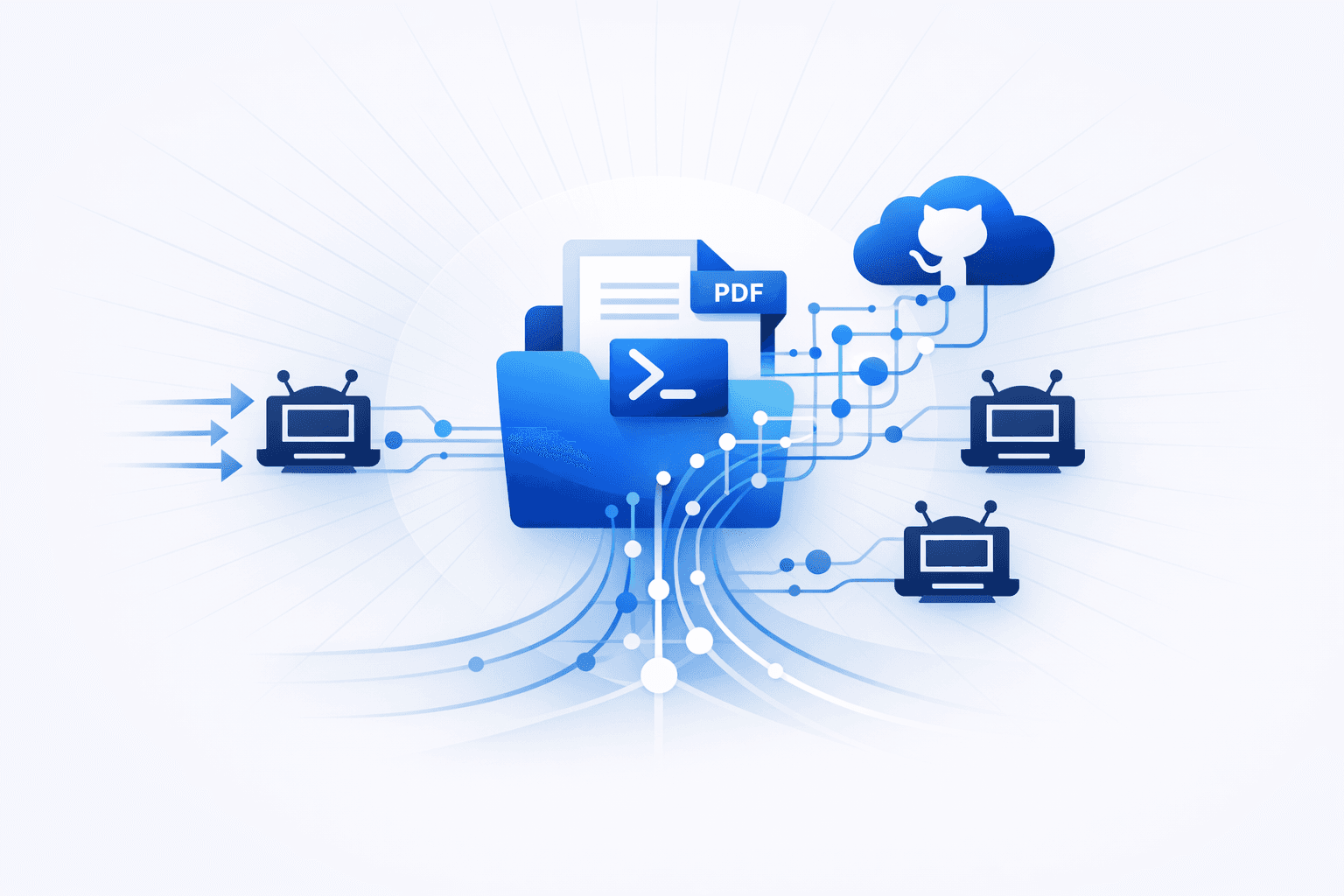
Security researchers reported several unrelated **remote access trojan (RAT)** delivery campaigns using different initial access vectors and lures. Seqrite Labs described “**Operation Covert Access**,” a spear‑phishing operation targeting Argentina’s judiciary with a ZIP attachment containing a convincing court-resolution decoy; execution is triggered by a malicious `LNK` masquerading as a PDF, which launches hidden PowerShell to fetch additional stages from a GitHub repository, culminating in a custom **Rust-based RAT** that attempts to blend in by renaming itself (e.g., `msedge_proxy.exe`). Separately, AhnLab Security Intelligence Center reported South Korea-focused activity distributing **RemcosRAT** through illegal online gambling-related tools and trojanized *VeraCrypt* installers, using embedded malicious VBS scripts and a multi-stage chain that ultimately deploys a RAT capable of surveillance and data theft (e.g., keylogging, screenshot/webcam/mic capture, credential/data harvesting). Another campaign documented by ReliaQuest abused **LinkedIn private messages** to deliver a bundled legitimate application alongside a malicious DLL for **DLL sideloading**, enabling RAT deployment under the guise of a trusted process; the reporting emphasized that social platforms can serve as effective phishing channels beyond email and that the technique is portable to other commonly used business messaging platforms.
Jun 29, 2026