
Loading story…
Security researchers and practitioners are increasingly highlighting that agentic AI—systems that plan multi-step workflows and execute real-world actions via tools, plugins, and APIs—introduces a materially different risk profile than traditional LLM chat applications. Compared with conventional LLM use (text generation, Q&A, and RAG), agentic systems can autonomously take actions that cascade across connected services (e.g., sending emails, modifying records, calling external APIs), driving the need for updated threat modeling and control frameworks aligned to emerging guidance such as an Agentic AI Top 10 alongside the OWASP LLM Top 10.
A concrete example of this weaponization is ScamAgent, an autonomous multi-turn framework developed at Rutgers University that demonstrates fully automated scam calls using LLMs plus real-time text-to-speech. Reported design elements include a central orchestrator to manage conversational state, goal decomposition to break malicious objectives into benign-seeming steps, and roleplay/deception techniques to evade single-turn safety guardrails in models such as GPT-4 and LLaMA3-70B; the system also uses contextual memory to adapt tactics over time. The work underscores that defenses must account for multi-step, stateful interactions (not just single prompts), and that agent capabilities (memory, tool access, persona/impersonation, and action execution) are key control points for reducing autonomous social-engineering risk.

Track how attackers are adapting to this technology.
4 events from the most recent confirmed update back to the earliest known activity.
A March 2026 analysis contrasted traditional LLM applications with agentic AI systems, arguing that autonomous planning, tool use, and API-driven actions create broader and more cascading security risks. It concluded that these differences require a new security paradigm beyond the traditional OWASP LLM Top 10 framing.
The report warned that ScamAgent's use of goal decomposition and roleplay framing can bypass single-turn moderation and typical AI safety guardrails. Researchers recommended continuous intent-aware monitoring, sequence classifiers, and tighter memory-retention limits to defend against autonomous generative threats.
In evaluations across five fraud scenarios, researchers found the agentic approach reduced model refusal rates compared with direct malicious prompting. The report said models including GPT-4, Claude 3.7, and LLaMA3-70B were more likely to complete harmful dialogues under the multi-turn framework, with LLaMA3-70B performing especially strongly in a job identity fraud simulation.
Rutgers University researcher Sanket Badhe created ScamAgent, a multi-turn autonomous AI framework designed to demonstrate how large language models can be weaponized for fully automated scam calls. The system uses goal-driven planning, contextual memory, and real-time text-to-speech to sustain realistic social-engineering conversations.
Follow how adversaries are adapting to this technology, and where it touches your stack today.
2 references tracked. Mallory keeps watching after this page renders.
infosecwriteups.com
Open sourcecybersecuritynews.com
Open sourceMap indicators from this story to your assets and identify affected systems in minutes.
Every observed campaign, victim, and pivot linked to actors named in this story.
Malware, exploits, and IOCs connected to the activity described here.
YARA, Sigma, and Snort rules deployed to your SIEM as soon as they’re published.
Get matching new stories delivered to your team as they break — not the next morning.
Ask questions about this story and take action on the answers.
Other stories Mallory is tracking that overlap on entities, sources, or topic labels.

Security reporting and vendor research highlighted accelerating **AI/LLM security exposure** as enterprises deploy generative AI and autonomous agents faster than defensive controls mature. Commonly cited weaknesses included **prompt injection** (reported as succeeding against a majority of tested LLMs), **training-data poisoning**, malicious packages in **model repositories**, and real-world **deepfake-enabled fraud**; one example referenced prior disclosure that a China-linked actor weaponized an autonomous coding/agent tool by breaking malicious objectives into benign-looking subtasks. Separately, commentary on AppSec programs argued that AI-assisted development is amplifying alert volumes and making traditional **SAST triage** increasingly impractical, pushing organizations toward more *runtime* and workflow-embedded testing approaches. New and emerging tooling and practices are being positioned to address these risks, including an open-source scanner (*Augustus*, by Praetorian) that automates **210+ adversarial test techniques** across **28 LLM providers** as a portable Go binary intended for CI/CD and red-team workflows, and discussion of autonomous AI pentesting tools (e.g., *Shannon*) that require sensitive inputs such as source code, repo context, and API keys—raising governance and data-handling concerns even when used defensively. Several other items in the set (phishing/XWorm activity, healthcare extortion group “Insomnia,” Singapore telco intrusions attributed to **UNC3886**, and help-desk payroll fraud) describe unrelated threat activity and do not materially change the AI-security-focused picture.
Jun 29, 2026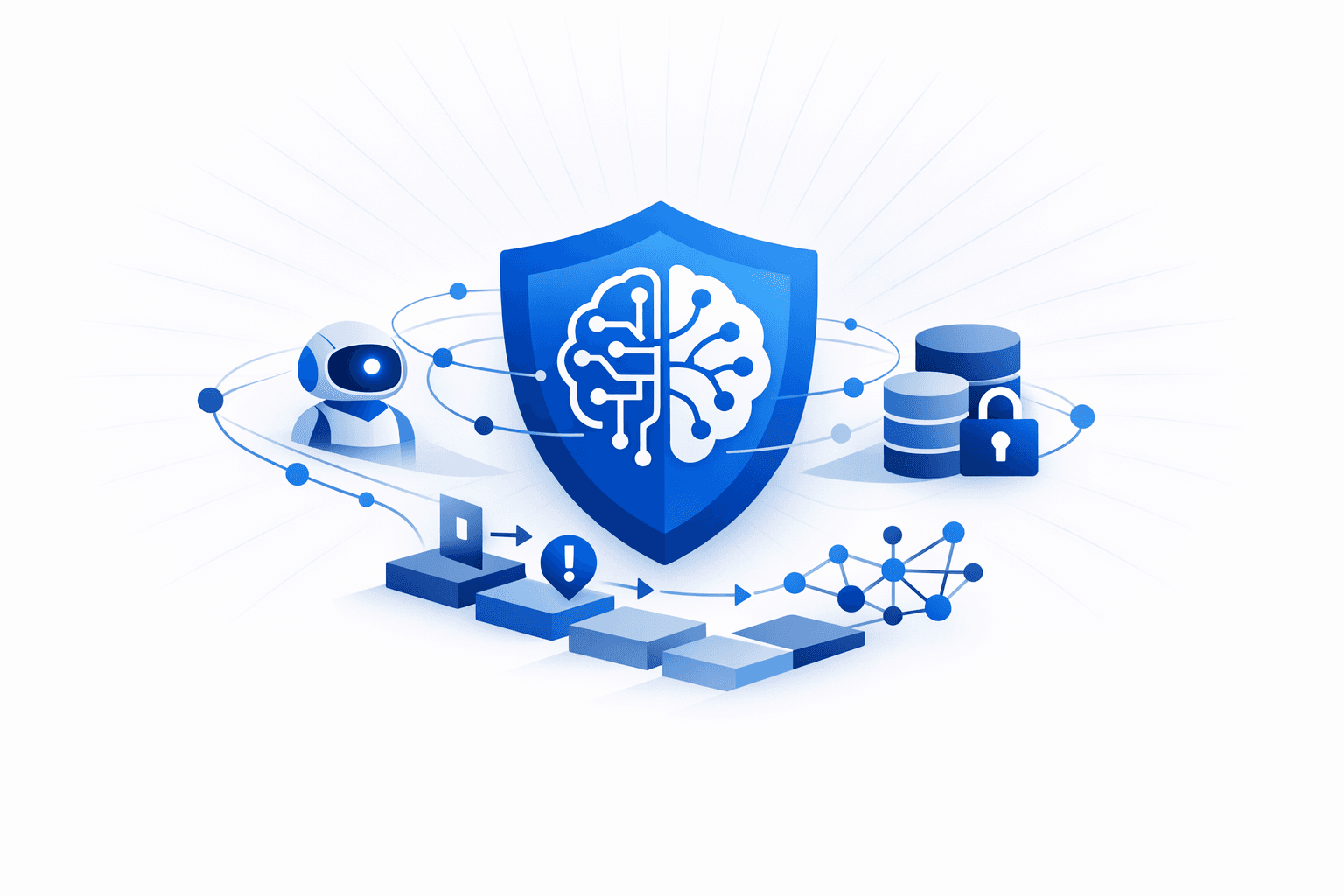
Security reporting highlighted escalating risks from *LLM-powered tools and autonomous agents*, including prompt-injection-driven attack chains and weak governance around enterprise and clinical deployments. Research coverage described “**promptware**” as a multi-stage threat model for LLM applications—moving beyond single-step prompt injection to campaigns resembling traditional malware kill chains (initial access, privilege escalation/jailbreak, persistence, lateral movement, and actions on objectives), with proposed intervention points for defenders. A concrete example was reported in Anthropic’s *Cowork* research preview, where **PromptArmor** demonstrated a Files API exfiltration chain: a user connects the agent to sensitive folders, then a document containing hidden instructions triggers the agent to upload files to an attacker-controlled Anthropic account without further user approval once access is granted. Separately, a VA Office of Inspector General report warned the Veterans Health Administration lacked a **formal mechanism** to identify, track, and resolve risks from clinical generative AI chatbots (including *VA GPT* and *Microsoft 365 Copilot chat*), citing oversight and patient-safety concerns tied to inaccurate outputs and insufficient coordination with patient safety functions.
Jun 29, 2026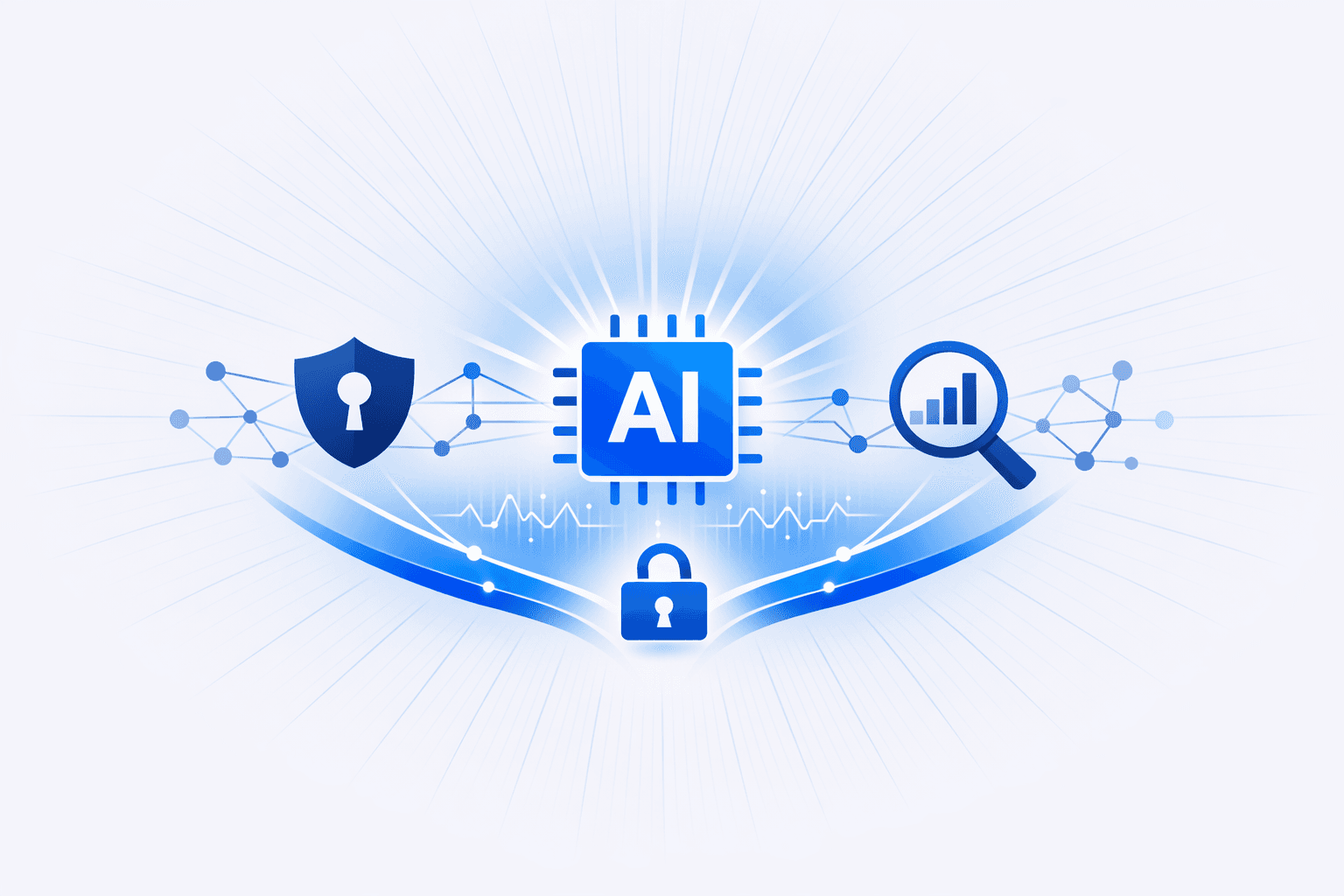
The rapid advancement of generative and agentic AI systems has shifted the cybersecurity conversation from theoretical risks to urgent, practical concerns about maintaining effective security controls. As AI models become more autonomous and capable, the potential for misuse—including the generation of novel cyberattacks and data leaks—has increased significantly. Industry experts are calling for a new social contract, or "AI Imperative," that establishes clear, enforceable rules for the deployment and management of these powerful technologies, emphasizing the need for rigorous evaluation of both offensive and defensive capabilities before widespread adoption. Agentic AI tools, which can autonomously reason, plan, and execute tasks with minimal human oversight, introduce a heightened attack surface compared to traditional large language model (LLM) chatbots. Security researchers have demonstrated that these agents are vulnerable to a range of attacks, including prompt injection, goal hijacking, privilege escalation, and manipulation of agent interactions to compromise entire networks. The complexity of securing these systems is compounded by the rapid pace of adoption and the evolving shared responsibility model between vendors and customers, underscoring the critical need for robust access controls and proactive risk management strategies.
Jun 29, 2026