
Loading story…
An operator at the Oldsmar, Florida water treatment facility stopped an attempt to raise sodium hydroxide levels in drinking water from about 100 parts per million to 11,100 parts per million after seeing the change occur on screen during a remote intrusion. Officials said the attacker accessed plant systems through dormant remote-access software and briefly manipulated treatment settings, but the change was quickly reversed and no unsafe water reached residents. Authorities publicly disclosed the incident and did not identify a responsible threat actor.
The case became a high-profile warning for critical infrastructure security, prompting guidance to tighten remote access, strengthen authentication, and improve monitoring in operational technology environments. Later reporting said the Oldsmar event may have been caused by human error rather than a confirmed remote-access cyber breach, underscoring continuing uncertainty over what exactly happened even as the incident remained a touchstone for water-sector cyber risk.

See the actors and campaigns active against you right now.
4 events from the most recent confirmed update back to the earliest known activity.
On 2023-04-04, later reporting said the Oldsmar incident may have been caused by human error rather than a remote-access cybersecurity breach. This represented a significant reassessment of the original understanding of the event.
By 2021-02-10, officials reported that the Oldsmar intrusion involved dormant remote access software on the facility's systems. This added technical detail about the likely access path used in the attempted tampering.
On 2021-02-08, city officials and Pinellas County Sheriff Bob Gualtieri publicly disclosed the Oldsmar water treatment facility incident in a press conference. Authorities said the manipulation was caught before it affected the water supply and did not attribute the intrusion to a specific threat actor.
On 2021-02-05, an unauthorized user remotely accessed the Oldsmar, Florida water treatment facility and, during a second intrusion around 1:30 p.m., changed sodium hydroxide levels from about 100 ppm to 11,100 ppm. A plant operator noticed the cursor movement, reversed the change, and no unsafe water reached residents.
Vulnerabilities, threat actors, malware, products, organizations, and breaches Mallory has linked to this story.
See the adversaries and campaigns active against your sector right now, ranked by what they're exploiting.
4 references tracked. Mallory keeps watching after this page renders.
industrialcyber.co
Open sourcecnn.com
Open sourcedragos.com
Open sourcezdnet.com
Open sourceMap indicators from this story to your assets and identify affected systems in minutes.
Every observed campaign, victim, and pivot linked to actors named in this story.
Malware, exploits, and IOCs connected to the activity described here.
YARA, Sigma, and Snort rules deployed to your SIEM as soon as they’re published.
Get matching new stories delivered to your team as they break — not the next morning.
Ask questions about this story and take action on the answers.
Other stories Mallory is tracking that overlap on entities, sources, or topic labels.
Poland disclosed cyberattacks on five water treatment plants after intruders breached industrial control systems and, in some cases, gained the ability to change settings for pumps, alarms, and treatment equipment. Investigators said the compromises were enabled by basic security failures, including weak passwords and internet-exposed systems, and Polish authorities linked parts of the activity to Russian-aligned actors seeking to disrupt public services and probe infrastructure resilience. The incidents echo the earlier intrusion at a Florida water plant, where attackers reportedly exploited outdated software and poor password practices to gain access to operational systems. Together, the cases underscore a persistent risk across municipal water utilities: insecure remote access, exposed human-machine interfaces, aging control technology, and weak authentication can turn preventable weaknesses into threats to service continuity and public safety.
Jun 29, 2026
More than 30 Minnesota community water systems reportedly suffered a coordinated intrusion into their operational-technology environments, disrupting remote monitoring and forcing some utilities to operate manually. Attackers reportedly reached internet-exposed programmable logic controllers (PLCs) through cellular gateways, changed controller IP addresses and passwords, and deprived operators of visibility into affected equipment. Authorities have not confirmed the vulnerability or equipment involved at most affected utilities. The incident nonetheless highlights the risk from publicly reachable OT assets, including exposed Rockwell Logix controllers affected by the actively exploited, unpatched authentication-bypass vulnerability `CVE-2021-22681`; utilities should remove public OT exposure, segment networks, harden remote access, monitor configuration changes, and maintain tested manual fallback procedures.
Aug 27, 2026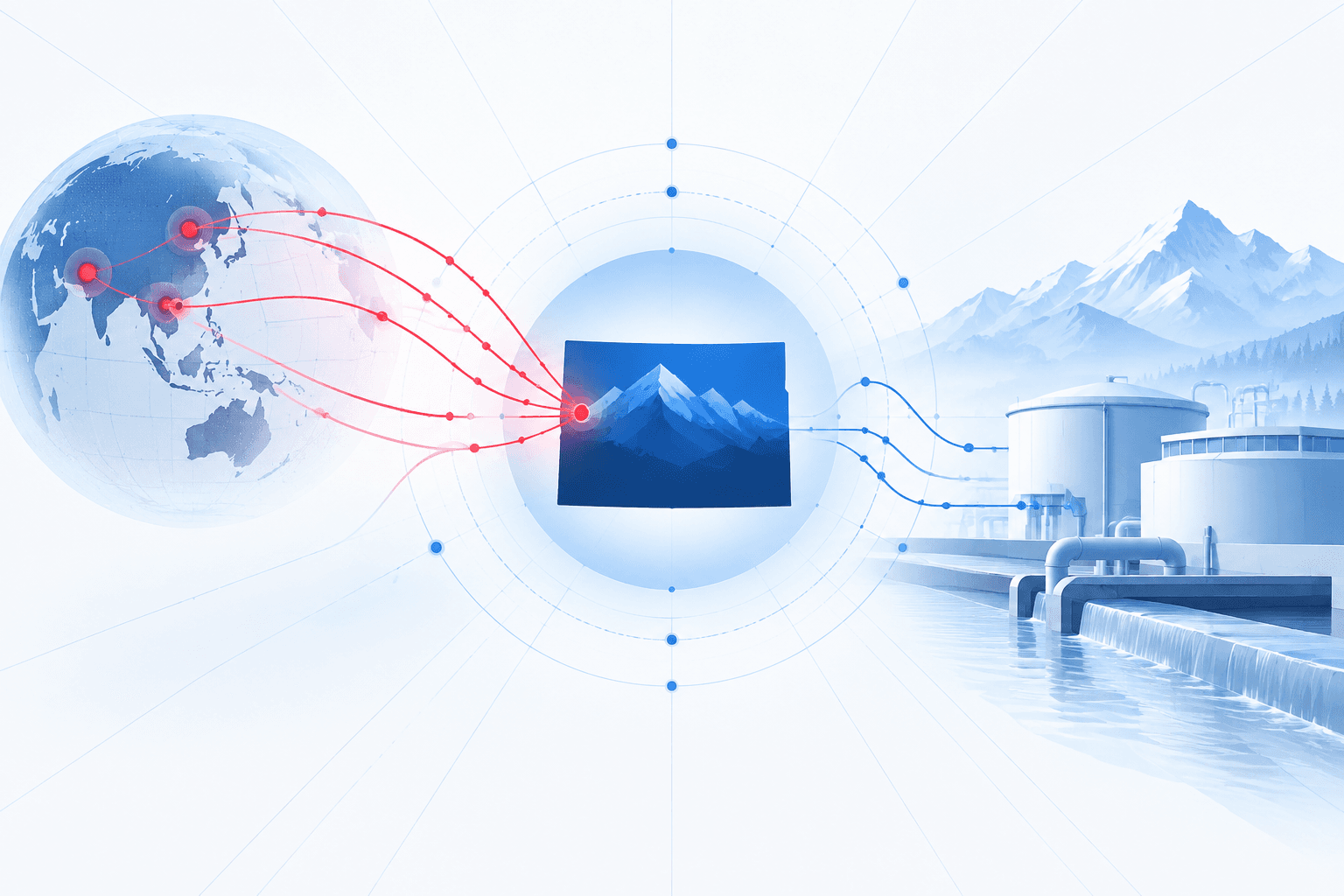
Foreign actors breached the operational technology and industrial control systems of two unnamed, privately owned Colorado water utilities in late August. Each utility serves fewer than 200 people. The intruders changed equipment settings, disabled remote access and alarms, and altered pumping cycles; disruption was brief, with no reported interruption to water service or impact on public safety. Colorado officials did not identify the perpetrators, the affected utilities, or the initial access method. They said they were aware of a broader Iranian-backed campaign targeting U.S. drinking-water and wastewater systems but did not attribute the Colorado intrusions to it. The incidents follow July attacks against roughly 100 internet-exposed water systems across at least seven states, underscoring the exposure of small utilities' internet-accessible OT environments.
Sep 24, 2026