
Loading story…
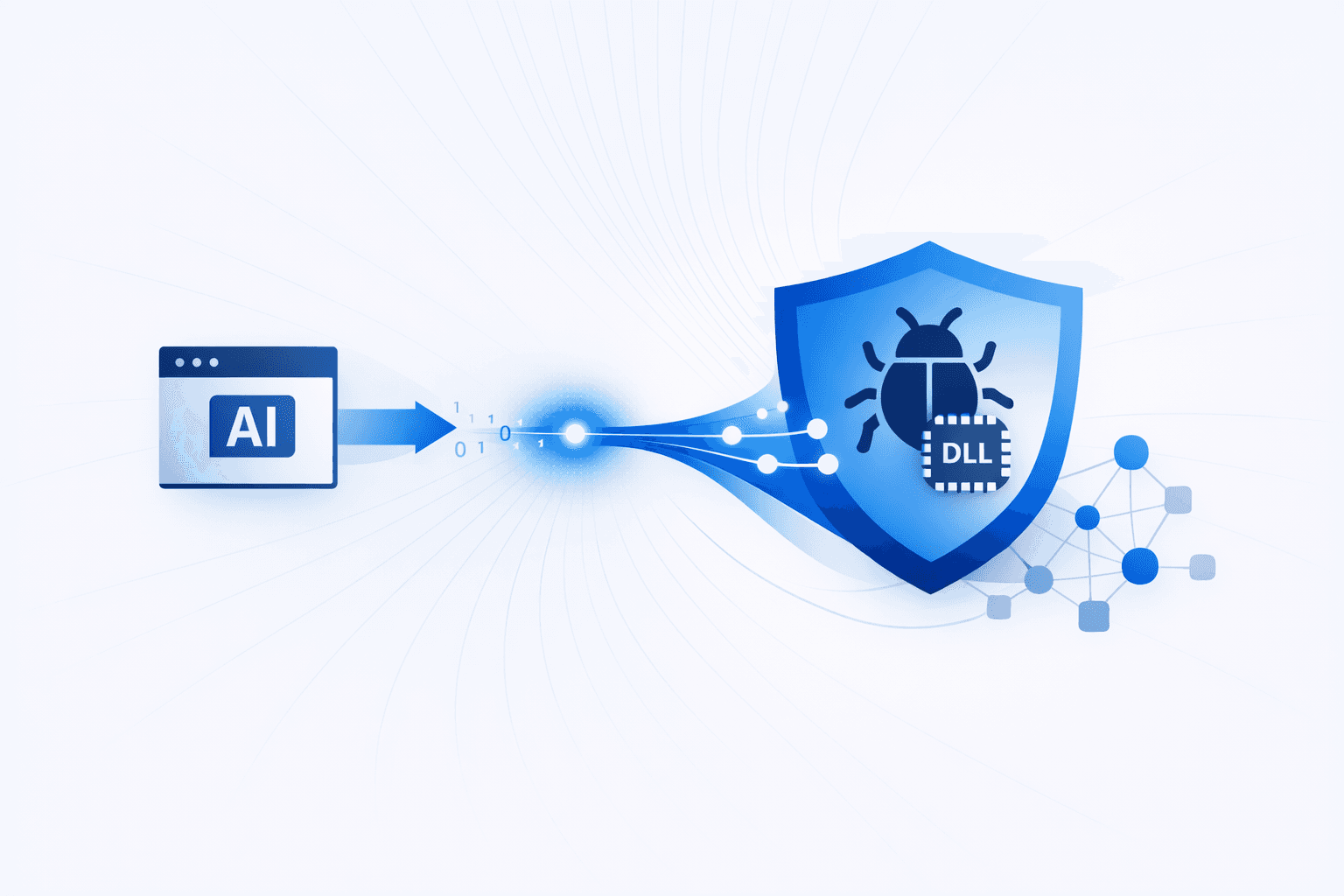
A fake website impersonating Anthropic’s Claude AI service has been used to distribute the PlugX remote access trojan, luring victims with a trojanized ZIP archive advertised as a “pro” installer. The package launches a working Claude-themed application to avoid suspicion while a hidden VBScript begins the infection chain, abusing interest in AI tools as social-engineering cover for malware delivery.
The script copies a legitimate signed G DATA executable and a malicious avk.dll into the Windows Startup folder, where DLL sideloading allows the trusted binary to load the rogue library. The DLL then decrypts and executes a payload stored in an encrypted .dat file, establishes persistence, modifies a TCP/IP-related Windows registry key, and connects over HTTPS to 8.217.190[.]58 hosted on Alibaba Cloud; researchers also said the campaign uses self-deleting scripts to reduce forensic visibility. While PlugX has long been linked to espionage activity, researchers cautioned that the malware is now broadly reused and the campaign cannot be attributed on tooling alone.
Mallory correlates global threat intelligence with your attack surface — know if you’re exposed before adversaries strike.
4 events from the most recent confirmed update back to the earliest known activity.
Sophos X-Ops reported that the fake Claude site campaign used Donut shellcode to load a previously undocumented backdoor they named Beagle, rather than only PlugX-like malware. The backdoor communicated with license[.]claude-pro[.]com over TCP 443 and/or UDP 8080 using AES-encrypted JSON messaging and supported command execution, file transfer, directory management, and self-uninstall.
Analysis showed the malware established persistence by copying components into the Windows Startup folder, used self-deleting scripts to reduce forensic visibility, modified a TCP/IP-related registry key, and communicated over HTTPS with 8.217.190.58 hosted on Alibaba Cloud. Reporting noted that while PlugX has historic links to Chinese espionage, attribution could not be made from the tooling alone because the malware is now widely reused.
Malwarebytes reported a campaign using a fake website impersonating Anthropic's Claude AI service to distribute the PlugX remote access trojan in a trojanized ZIP installer marketed as a "pro version." The infection chain used a VBScript, a legitimate signed G DATA executable, a malicious avk.dll, and an encrypted payload file to install malware while presenting a working Claude application to the victim.
Sophos found related samples on VirusTotal dating back to February 2026, showing the fake Claude malware activity was underway before public reporting in April. A March 2026 sample used a Microsoft Defender utility and deployed AdaptixC2 instead of Beagle, suggesting ongoing development and potentially shared infrastructure across related campaigns.
Vulnerabilities, threat actors, malware, products, organizations, and breaches Mallory has linked to this story.
5 references tracked. Mallory keeps watching after this page renders.
cybersecuritynews.com
Open sourceitpro.com
Open sourcesophos.com
Open sourcescworld.com
Open sourcesecurityaffairs.com
Open sourceMap indicators from this story to your assets and identify affected systems in minutes.
Every observed campaign, victim, and pivot linked to actors named in this story.
Malware, exploits, and IOCs connected to the activity described here.
YARA, Sigma, and Snort rules deployed to your SIEM as soon as they’re published.
Get matching new stories delivered to your team as they break — not the next morning.
Ask questions about this story and take action on the answers.
Other stories Mallory is tracking that overlap on entities, sources, or topic labels.

A malvertising and SEO-poisoning campaign is impersonating Anthropic’s Claude AI with the domain `claude-pro[.]com`, luring users to download a trojanized Windows installer that deploys a newly identified backdoor called **Beagle**. Researchers said the fake site appeared in sponsored search results and mimicked Claude branding to distribute a ZIP archive containing an MSI package that installed a legitimate signed G DATA executable alongside a malicious DLL, abusing **DLL sideloading** to begin the infection chain. After execution, the malware decrypts additional payloads, launches DonutLoader, and loads Beagle entirely in memory to reduce disk-based detection. The backdoor provides remote access functions including command execution, file transfer, directory management, and self-uninstallation, and communicates with `license[.]claude-pro[.]com` over TCP 443 or UDP 8080 using a hardcoded AES key. Sophos X-Ops said the campaign has been active for months, uses anti-analysis measures and shared tooling such as a reused XOR key, and relies on infrastructure including Cloudflare and Alibaba Cloud; researchers also noted overlaps with activity linked to **PlugX** operators and related impersonation of vendors including Trellix, CrowdStrike, SentinelOne, and Microsoft Defender.
Jun 29, 2026
A malvertising campaign dubbed **FakeAgent** abused searches for the Claude Desktop app to deliver the **SectopRAT** information-stealing trojan to Windows users at at least **29 organizations**. Victims who clicked sponsored Bing results were sent to a spoofed public artifact hosted on Anthropic's `claude.ai` domain instead of the legitimate download page, then redirected to attacker-controlled infrastructure that served a fake `ClaudeDesktop.exe` installer. Huntress said the activity ran from July 21 to 22 and should be treated as a full remote-access and credential-theft compromise, not a nuisance adware incident. The malware chain used **DLL sideloading** through a tampered `libcef.dll`, **signed-binary proxy execution**, **VMProtect** packing, GPU-based anti-analysis, and DirectX shader-based payload decryption to evade detection. Researchers said SectopRAT established persistence with `sslconf.exe`, `tempdir.dll`, and `appcfg.dat` under `AppData`, and retrieved command data via blockchain infrastructure tied to contract `0xc1907d7be91f95903ad66d775c397302e7dd9228`; Huntress also identified `2.24.131[.]246` as a live command-and-control address. The RAT is capable of stealing browser credentials, cookies, autofill and payment data, Chromium keys, FTP credentials, Discord and messaging data, files, and passwords, and the infrastructure was linked to earlier malicious activity dating to May 2025, including domains associated with campaigns tied to StealC infrastructure seized during Operation Endgame.
Jul 23, 2026
Threat actors are abusing interest in AI developer tools by impersonating installers and setup guides to trick users into executing malware. Fake installation-guide pages for Anthropic’s **Claude Code** were promoted via **Google Ads** to rank highly for searches like “Claude Code install/CLI,” leading Windows and macOS users to run copy-pasted commands in an **InstallFix** campaign (a variant of **ClickFix**) that ultimately deployed **Amatera** (an **ACR Stealer**-based MaaS infostealer). Push Security reported the malware steals browser-stored credentials, cookies, session tokens, and system information, and the infrastructure used legitimate hosting/CDN services (e.g., *Squarespace*, *Cloudflare Pages*, *Tencent EdgeOne*) to reduce suspicion. In a related AI-tool impersonation theme, JFrog identified a malicious **npm** package, `@openclaw-ai/openclawai`, posing as an **OpenClaw** installer that targets macOS users to steal credentials and establish persistent remote access. The package uses a `postinstall` hook to reinstall itself globally and registers a CLI via the `bin` field pointing to `scripts/setup.js`, which presents a fake installer UI and then prompts for the user’s system password via a bogus Keychain/iCloud authorization flow. The malware (self-identified as **GhostLoader**) was reported to collect browser data, crypto wallets, SSH keys, Apple Keychain databases, and iMessage history, while also deploying a **RAT** with **SOCKS5 proxy** capability and “live browser session cloning,” indicating a blend of credential theft and long-term access objectives.
Jun 29, 2026