
Loading story…
Vercel confirmed a security incident involving unauthorized access to certain internal systems after a threat actor using the name ShinyHunters claimed to be selling allegedly stolen company data on a hacking forum. The company said only a limited subset of customers was affected, its services remain operational, and it has engaged incident response experts, notified law enforcement, and is working directly with impacted customers.
The actor claimed the stolen data included access keys, source code, database data, internal deployment access, and API keys, and shared a text file with 580 employee-related records along with a screenshot purportedly showing an internal Vercel Enterprise dashboard. Vercel advised customers to review environment variables and rotate secrets if necessary, while the authenticity of the leaked materials and the attribution to ShinyHunters remained unverified; the actor also claimed on Telegram that a $2 million ransom demand had been discussed with the company.
See attribution, scope, and your downstream exposure.
11 events from the most recent confirmed update back to the earliest known activity.
Vercel disclosed that attackers traversed internal systems and stole and decrypted customer data, including stored environment variables, creating downstream risk to affected customers' production environments. The company said this finding came from continued analysis of nearly a petabyte of logs during its ongoing investigation.
Vercel said attackers reached internal systems that stored unencrypted customer credentials during the broader intrusion investigation. The disclosure marked a significant impact escalation beyond previously reported customer-account compromises and internal-system access.
Vercel disclosed that its ongoing investigation found an additional set of customer accounts compromised after attackers accessed internal systems in the Context.ai-linked breach. The company also identified a small number of separate customer-account compromises that predated and were independent of the main incident, possibly involving social engineering or malware.
Vercel stated it found no evidence that npm packages published by the company were affected by the breach and said its software supply chain remains safe. The statement narrowed the apparent impact of the incident beyond previously disclosed internal-system access.
Vercel said the intrusion began when attackers abused a malicious or compromised Google Workspace OAuth app tied to a Vercel employee's use of third-party AI tool Context.ai, allowing access to the employee's Google Workspace account and pivoting into select environments. The company also published the OAuth app identifier as an indicator of compromise and said Mandiant was assisting the investigation.
Vercel disclosed unauthorized access to certain internal systems and said only a limited subset of customers was affected while its services remained operational. The company said it was investigating the breach, engaged incident response experts, notified law enforcement, and advised impacted customers to review environment variables and rotate secrets if necessary.
The same threat actor claimed on Telegram that they had discussed a $2 million ransom demand with Vercel. Attribution remained uncertain because actors linked to recent ShinyHunters-associated attacks reportedly denied involvement in this incident.
A threat actor using the name "ShinyHunters" posted on a hacking forum claiming to sell allegedly stolen Vercel data, including access keys, source code, database data, internal deployment access, and API keys. The actor also shared a text file with 580 employee-related records and a screenshot purportedly showing an internal Vercel Enterprise dashboard, though the materials were not independently verified.
A Vercel customer, Andrey Zagoruiko, publicly said OpenAI notified him on April 10 that an API key had been leaked, and he alleged the key had only been stored in Vercel. The report was presented as a single-source, unverified indicator that credential exposure may have occurred before Vercel disclosed the breach.
Context AI said its Context AI Office Suite application was breached in March and that attackers likely compromised OAuth tokens for some consumer users. The disclosure provides upstream context for how the Vercel employee account compromise may have occurred.
Vercel said the intrusion chain began when a Context.ai employee was infected with Lumma Stealer malware in February, reportedly via malware disguised as Roblox cheats. The infection allegedly led to compromise of Context.ai’s AWS environment and OAuth tokens, including one tied to a Vercel employee’s Google Workspace account.
Vulnerabilities, threat actors, malware, products, organizations, breaches, and observables Mallory has linked to this story. Indicator values are masked here and available in full in the app.
Indicator values are masked on this page. See the values in Mallory Domains, IPs, hashes, and URLs are exportable to your SIEM.
See attribution, scope, and whether this vendor sits anywhere in your supply chain.
34 references tracked. Mallory keeps watching after this page renders.
trendaisecurity.com
Open sourcedispatch.thorcollective.com
Open sourcescworld.com
Open sourcevercel.com
Open sourcetechcrunch.com
Open sourcenews.ycombinator.com
Open sourcebleepingcomputer.com
Open sourcecontext.ai
Open sourceMap indicators from this story to your assets and identify affected systems in minutes.
Every observed campaign, victim, and pivot linked to actors named in this story.
Malware, exploits, and IOCs connected to the activity described here.
YARA, Sigma, and Snort rules deployed to your SIEM as soon as they’re published.
Get matching new stories delivered to your team as they break — not the next morning.
Ask questions about this story and take action on the answers.
Other stories Mallory is tracking that overlap on entities, sources, or topic labels.
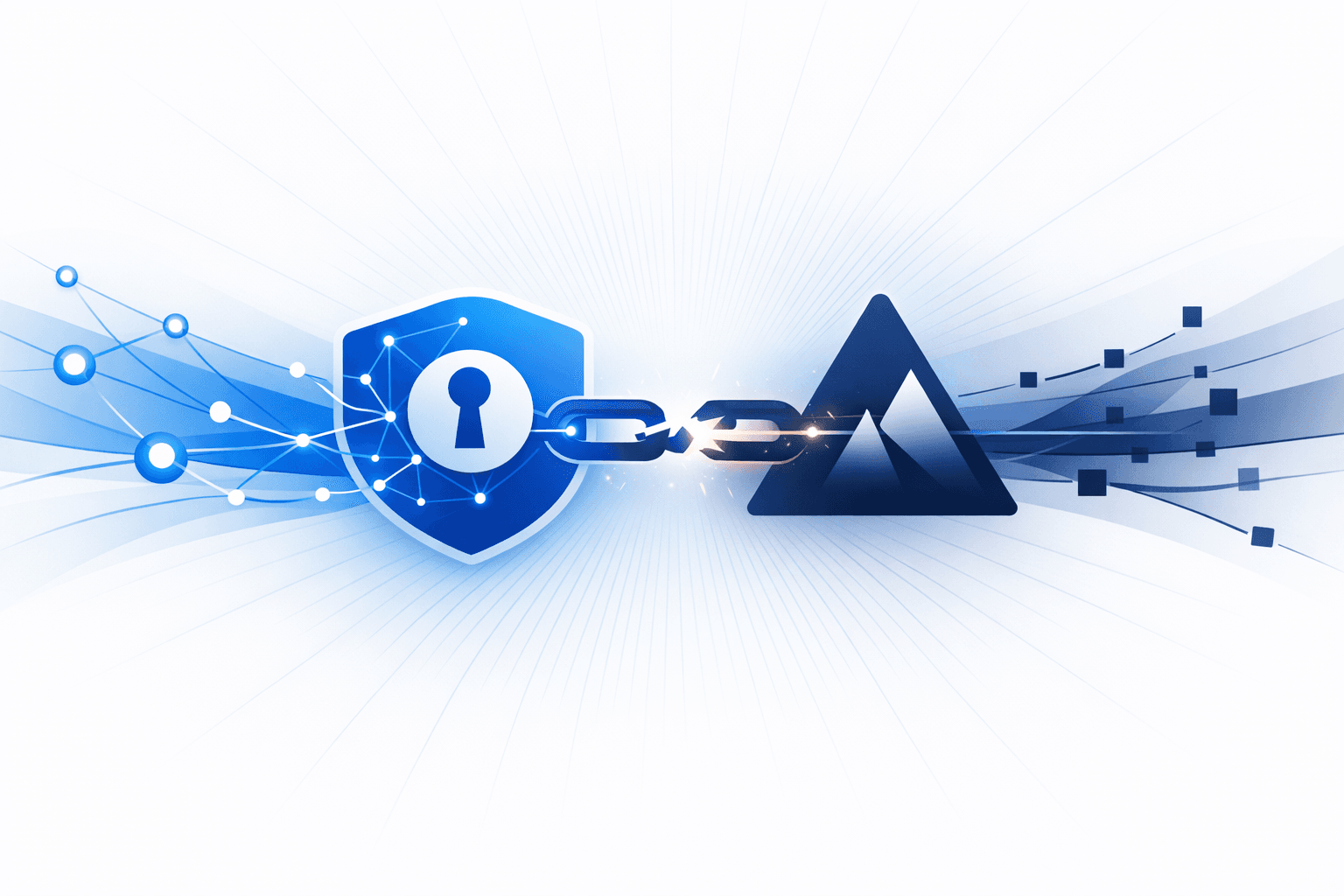
Vercel disclosed that attackers accessed some internal systems after compromising **Context.ai**, an AI productivity tool used by a Vercel employee, and abusing broad Google Workspace OAuth permissions granted to the app. Using a valid OAuth token, the attacker reportedly took over the employee’s corporate account and pivoted through single sign-on into internal resources, including issue trackers, admin tools, and certain company environments. Vercel said some internal data and customer environment variables were exposed, including a limited number of customer credentials and API keys that had been classified as non-sensitive but were still usable. The company notified affected customers and told them to rotate credentials while it investigated with **Mandiant**, other external firms, and law enforcement. Context.ai separately said a March intrusion into its AWS environment involved compromised OAuth tokens affecting some consumer users, linking that earlier breach to the later access into Vercel. Reporting also said the stolen Vercel data was offered for sale for **$2 million** by actors claiming ties to **ShinyHunters**, though known members denied involvement, and the incident has intensified scrutiny of SaaS integrations with excessive OAuth scopes and enterprise SSO access.
Jul 3, 2026
ShinyHunters, a financially motivated data-theft and extortion group active since 2020, has continued targeting organizations across entertainment, healthcare, education, and criminal infrastructure. Rockstar Games confirmed that attackers accessed a limited amount of non-material company information through a third-party cloud provider, while maintaining that players and operations were unaffected. In a separate September campaign, data allegedly stolen from Swiss medical-device maker Medela was publicly released after a “pay or leak” extortion attempt; the dataset reportedly included roughly 424,000 unique email addresses, corporate contact details, and some support tickets. The group has also claimed attacks against other cybercriminals: it allegedly exploited `CVE-2026-42608`, an unauthenticated path-traversal flaw in Grav CMS, to compromise and deface Clop’s former Tor leak-site server and demand payment. Grav released version 1.7.53.4 after the issue, which had previously been fixed only in the 2.0 branch. Reporting also links ShinyHunters to the theft of more than one billion Salesforce-customer records in 2025 and disruption of the Canvas learning platform in 2026, underscoring how repeated data exposures can be combined into identity profiles that enable account takeover, fraud, and targeted scams.
Sep 30, 2026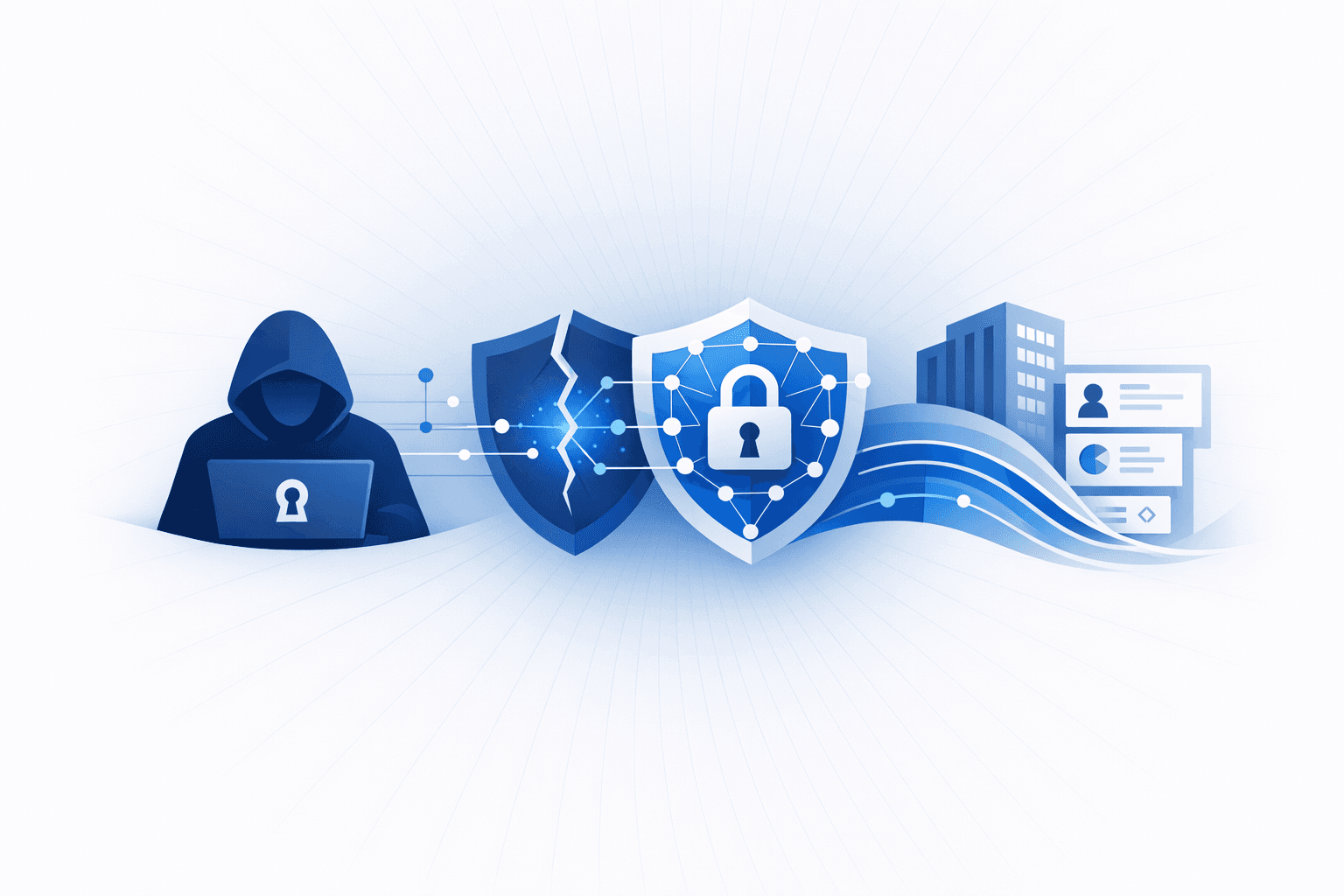
The hacking group **ShinyHunters** claimed to have breached the internal systems of *Resecurity*, a US-based cybersecurity firm, releasing screenshots purportedly showing access to sensitive dashboards, user management panels, API keys, employee data, and internal communications. ShinyHunters alleged they exfiltrated internal chats, client lists, threat intelligence data, and employee information, framing the attack as retaliation for Resecurity's alleged attempts to infiltrate threat actor groups by posing as buyers on dark web markets. The group also credited Devman Ransomware for assistance in the attack and published evidence to support their claims. However, *Resecurity* responded by stating that the data accessed by ShinyHunters was part of a sophisticated honeypot operation designed to monitor and log threat actor activity. According to Resecurity, the honeypot included simulated data and a planted honeytrap account, and there was no impact on actual customers or internal operations. Resecurity confirmed that all data referenced by ShinyHunters originated from the honeypot, and they had already logged the attackers' IP addresses. The incident highlights the ongoing cat-and-mouse dynamics between cybersecurity firms and threat actors, as well as the use of deception technologies in cyber defense.
Jun 29, 2026