
Loading story…
Researchers linked the Remus infostealer to an evolving command-and-control architecture that stores live resolver data in Ethereum smart contracts, extending the malware’s use of EtherHiding beyond earlier Telegram and Steam dead-drop methods. Analysis of contract 0x999941b74F6bbc921D5174A5b29911562cd2D7CF and its 0xc2fb26a6 function exposed a live C2 domain, fightwa[.]biz:5902, which had not appeared in prior public indicators; historical activity showed the infrastructure rotating from a test domain to chalx[.]live:5902 and then to fightwa[.]biz:5902. The domain resolved to 185.53.179.128, an IP already associated with Remus infrastructure, and researchers said monitoring blockchain DomainUpdated events could provide durable visibility into future C2 changes.
Separate infrastructure mapping found the campaign spread across more than 15 ASNs but concentrated at Hostinger International Limited (AS47583) and Team Internet AG (AS206834), with 185.53.179.128 standing out as a likely convergence or exfiltration node. Investigators identified five Ethereum contracts used to hold live C2 data, showing a progression from simple DomainStorage designs to more controlled and stealthier DataStore variants, while malware analysis described Remus as a likely Lumma-derived 64-bit stealer that steals browser credentials, cookies, and cryptocurrency wallets. The malware also inherits Lumma’s browser-memory technique for bypassing Chromium Application-Bound Encryption, while adding compact shellcode, randomized hidden-browser desktop names, anti-analysis checks, and blockchain-backed C2 resilience.

Get the actors, campaigns, and ATT&CK mapping behind it.
8 events from the most recent confirmed update back to the earliest known activity.
Flashpoint reported that Remus had been offered in underground communities since March 2026 as a Malware-as-a-Service platform with three subscription tiers. The report described this as the malware's commercial emergence in the cybercrime ecosystem.
Researchers reported that Remus uses Lumma-style browser key theft and Chromium Application-Bound Encryption bypass, while adding a compact shellcode payload, randomized hidden-browser desktop names, EtherHiding-based C2 resolution, and anti-analysis checks. They assessed Remus as an evolutionary branch linked to the Lumma ecosystem rather than a direct replacement.
Researchers identified Remus as a new infostealer that emerged in early 2026 and assessed it as a new 64-bit variant closely derived from Lumma Stealer.
Infrastructure analysis found Remus spread across more than 15 ASNs, with concentration at Hostinger International Limited and Team Internet AG, and highlighted 185.53.179.128 as a likely central convergence or exfiltration server. Additional Ethereum pivots uncovered four new smart contracts beyond the previously identified one, bringing the total used to store live C2 information to five.
The Remus campaign registered many .biz domains around the same time in early March through Dynadot, with shared certificate and hosting traits suggesting an automated operation.
By querying Ethereum contract 0x999941b74F6bbc921D5174A5b29911562cd2D7CF through a public RPC endpoint, a researcher identified live C2 domain fightwa[.]biz:5902 that had not appeared in the previously published IoC list. The hosting IP 185.53.179.128 matched infrastructure previously associated with Remus, supporting attribution to the same campaign.
Historical smart-contract activity showed the Remus cluster progressing from a test domain to chalx[.]live:5902 and then to fightwa[.]biz:5902, demonstrating active command-and-control rotation. The latest observed update was anchored as recently as 2026-04-25.
Gen Threat Labs traced Remus infostealer development back to test builds labeled Tenzor in September 2025, indicating the malware's development predates its public identification by several months.
Vulnerabilities, threat actors, malware, products, organizations, breaches, and observables Mallory has linked to this story. Indicator values are masked here and available in full in the app.
Indicator values are masked on this page. View all 13 in Mallory Domains, IPs, hashes, and URLs are exportable to your SIEM.
Get the adversaries, campaigns, and ATT&CK mapping behind this technique, with detections ready to deploy.
4 references tracked. Mallory keeps watching after this page renders.
flashpoint.io
Open sourcecybersecuritynews.com
Open sourceintelinsights.substack.com
Open sourceintelinsights.substack.com
Open sourceMap indicators from this story to your assets and identify affected systems in minutes.
Every observed campaign, victim, and pivot linked to actors named in this story.
Malware, exploits, and IOCs connected to the activity described here.
YARA, Sigma, and Snort rules deployed to your SIEM as soon as they’re published.
Get matching new stories delivered to your team as they break — not the next morning.
Ask questions about this story and take action on the answers.
Other stories Mallory is tracking that overlap on entities, sources, or topic labels.
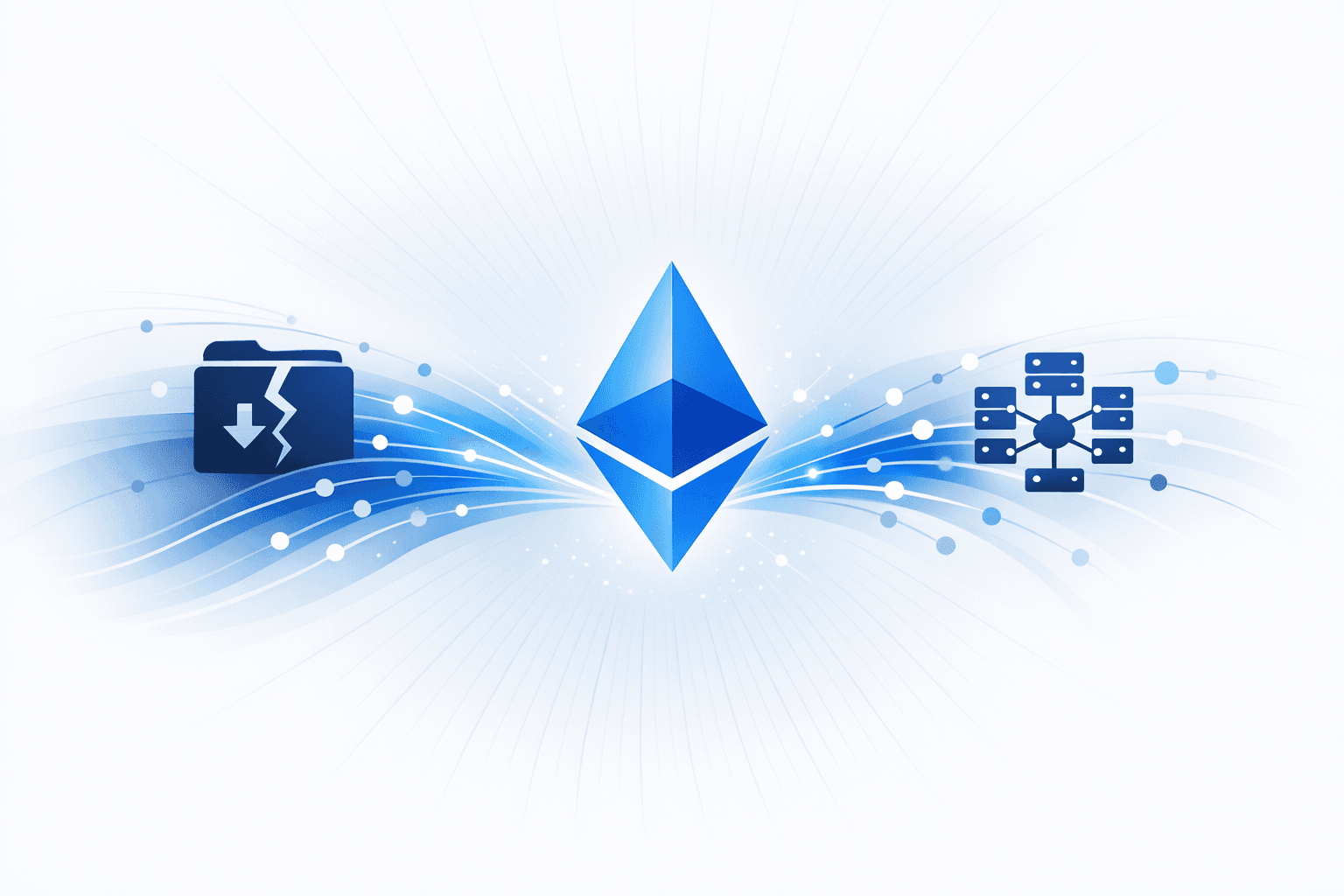
The **Remus** Windows infostealer is being distributed through SEO-poisoned fake cracked-software and warez sites, with repeated Turkish-language lures indicating a likely focus on Turkish-speaking users seeking pirated tools and games. After execution, the malware injects into active Chromium-based browser processes to access browser vault data and steal saved passwords, cookies, crypto wallet information, password manager contents, FTP credentials, clipboard data, screenshots, enterprise email storage files, gaming platform data, and system reconnaissance details. Researchers reported that Remus resolves its command-and-control infrastructure through an **Ethereum smart contract**, allowing operators to rotate backend servers without updating the malware binary. Stolen data is then exfiltrated over HTTP POST to newly registered domains, in some cases with a spoofed `Host` header designed to resemble legitimate technology vendor telemetry traffic. The campaign appears to rely on rotating domains and IPs and to share open-directory delivery infrastructure with other infostealer families, highlighting a broader fake-cracked-software distribution ecosystem rather than a single isolated malware operation.
Aug 6, 2026
Gen Threat Labs identified **Remus** as a 64-bit information stealer and evolutionary continuation of Lumma Stealer, first observed in campaigns around January–February 2026. The malware retains Lumma-like string obfuscation, anti-VM checks, direct syscalls, indirect control-flow obfuscation, and browser-data theft, while using a browser-process shellcode injection technique to recover Chrome’s `v20_master_key` and bypass Application-Bound Encryption. It also steals credentials, cookies, cryptocurrency-related data, clipboard contents, and Outlook PST data, while adding sandbox-DLL checks and a honey PST-file anti-analysis mechanism. Remus replaced Lumma’s Steam and Telegram dead-drop C2 resolution with **EtherHiding**, using Ethereum smart contracts to resolve command-and-control infrastructure at runtime. Its operator said the malware has been sold as a malware-as-a-service offering since February 2026, with roughly 200 active customers, and acknowledged reworking code from transitional Tensor/Tenzor builds linked by researchers to Lumma. The operator also described continued updates to evade Microsoft Defender and Chrome security controls, and claimed plans for a fake Ledger Live application to capture cryptocurrency seed phrases, operator-panel AI features, and additional security bypasses.
Sep 21, 2026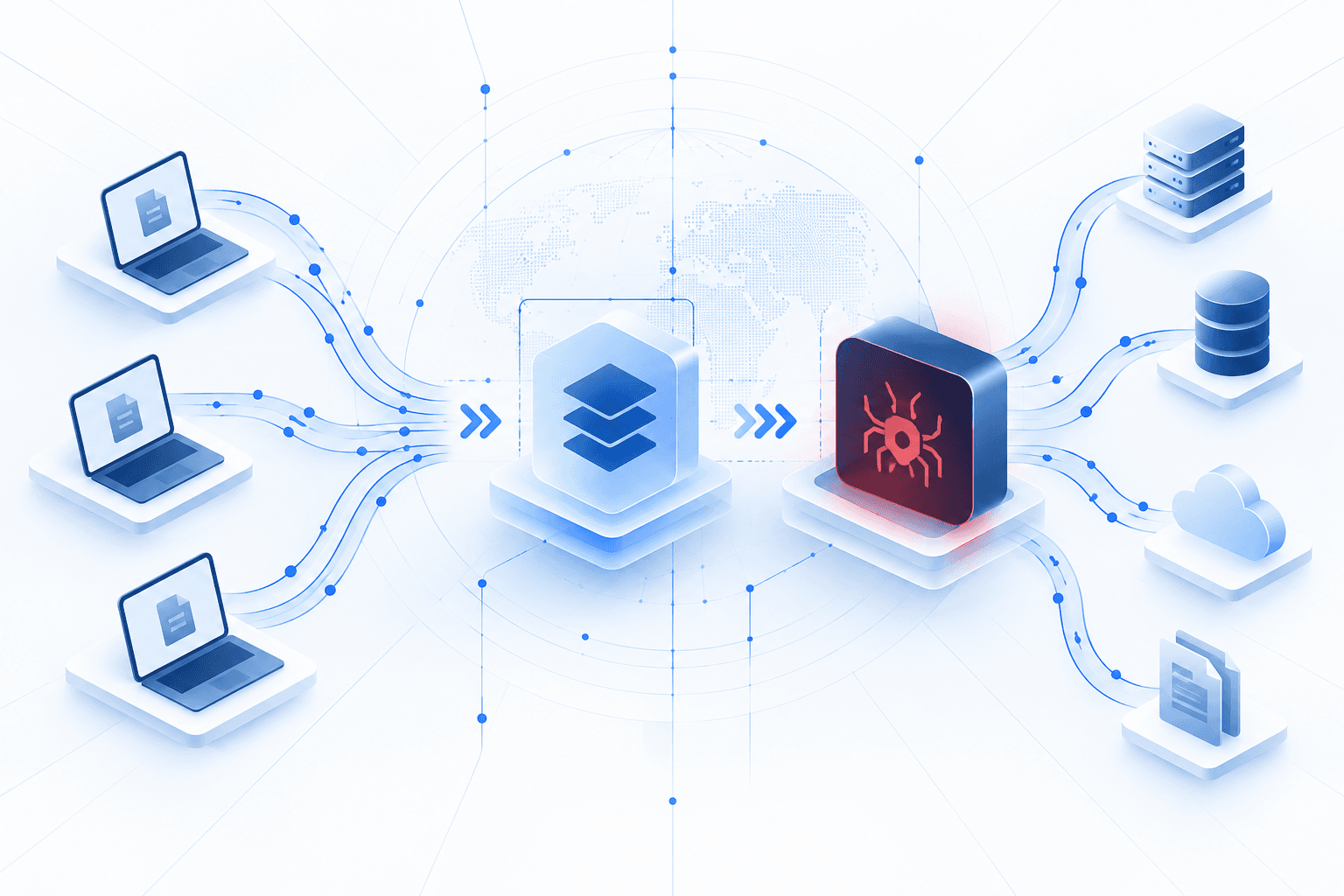
Researchers identified **REMUS**, a malware-as-a-service infostealer previously mistaken for SMOKELOADER, in campaigns delivering affiliate-specific payloads through ClickFix lures and PLYCHIP staging, DonutLoader in-memory shellcode, and cracked-software bundles using GoFlateLoader. REMUS is assessed to descend from Lumma Stealer via Tenzor, with separate affiliate infrastructure and uniquely identifiable builds. The malware steals browser credentials, cookies, master keys, session tokens, clipboard contents, screenshots, selected files, and data from password-manager, cryptocurrency-wallet, and AI-client extensions. Stolen session material can enable account takeover even where MFA is enabled. Operators use victim screening, anti-analysis controls, memory-resident execution, rotating C2 servers, Host-header spoofing, and cleanup; premium users can use EtherHiding to retrieve C2 information from Ethereum smart contracts. Although REMUS configurations are ChaCha20-encrypted, captured payloads can be decrypted because required material is embedded in the binary.
Oct 2, 2026