
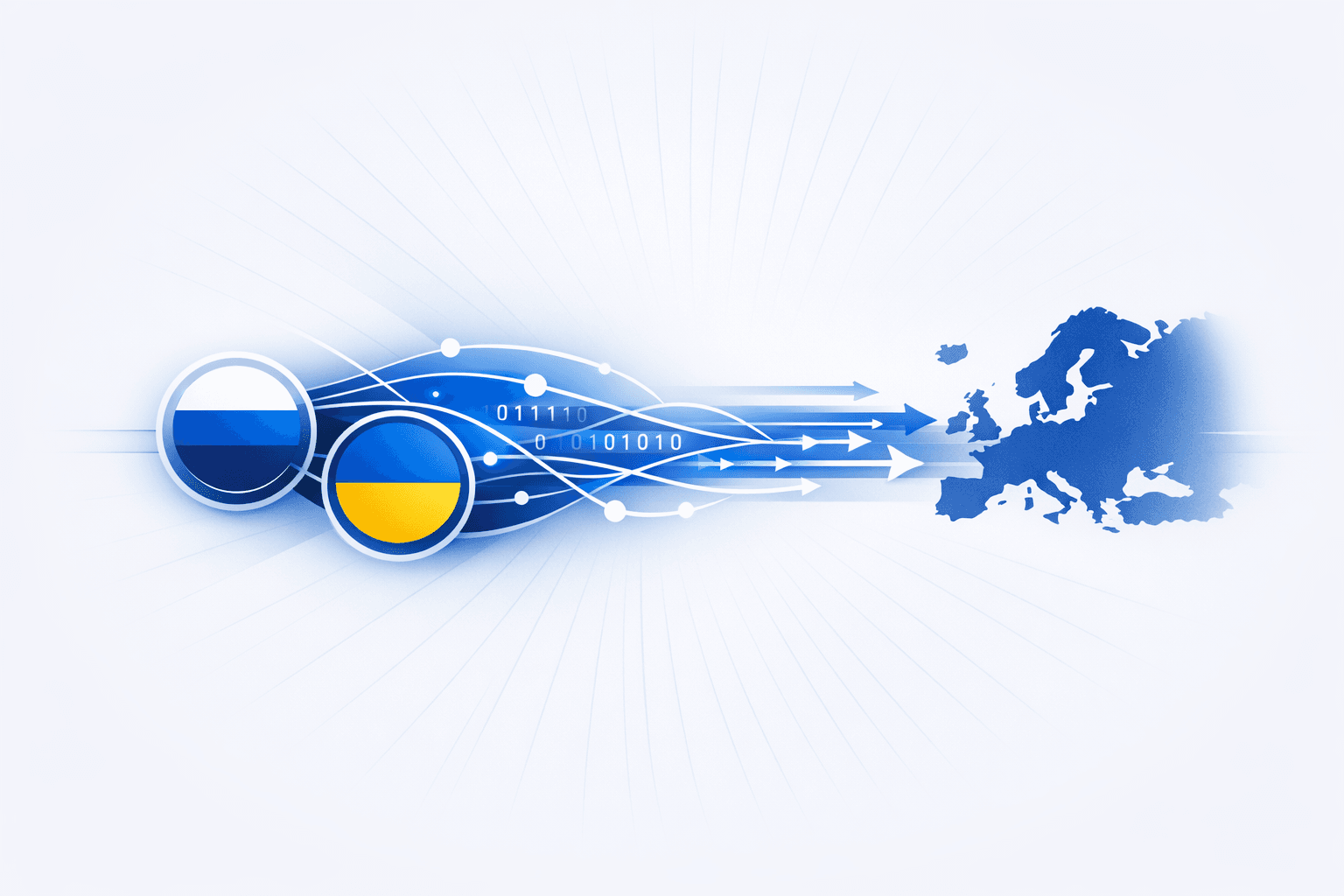
Russian-linked cyber operations hit Ukraine at the outset of the invasion with both destructive malware and a major satellite communications disruption. Security researchers identified the HermeticWiper data-wiping malware on hundreds of systems in Ukraine, with additional impacts reported at a Ukrainian financial institution and government contractors in Latvia and Lithuania. The activity coincided with DDoS attacks against Ukrainian government entities and PrivatBank, underscoring a coordinated effort to degrade communications and critical services as military operations began.
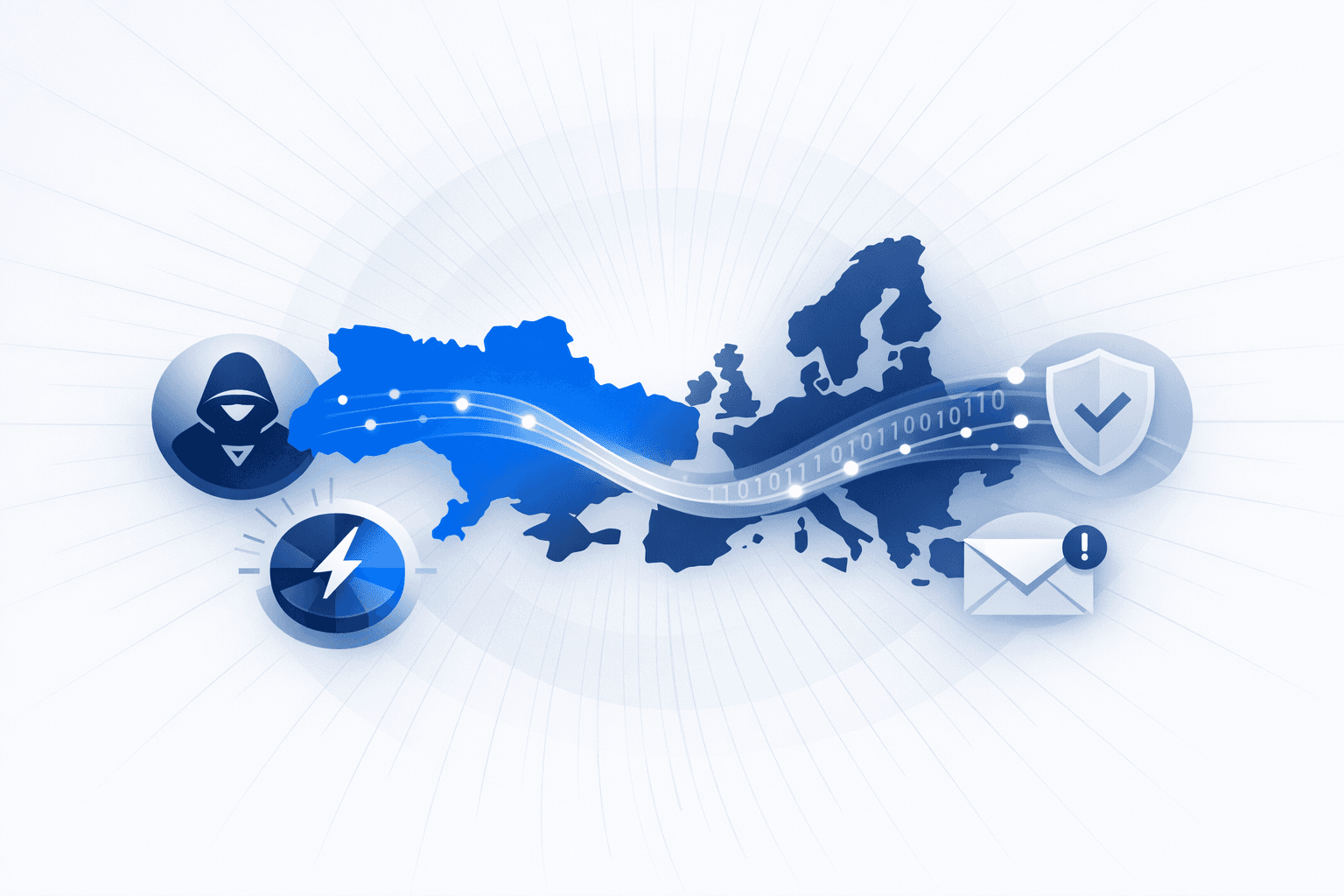
A parallel attack on Viasat’s KA-SAT network knocked 40,000 to 45,000 satellite modems offline, many of them permanently, after attackers compromised a VPN-connected management center in Turin and pushed wiper malware through a software update server. Viasat later said the incident unfolded in two stages, with a second wave using compromised modems to flood company systems and complicate recovery; the disruption spilled into Europe, including outages affecting 5,800 Enercon wind turbines in Germany. U.S. and EU officials attributed the operation to Russian hackers, and the investigation helped support sanctions announced in 2022.
Mallory correlates global threat intelligence with your attack surface — know if you’re exposed before adversaries strike.
11 events from the most recent confirmed update back to the earliest known activity.
At Black Hat, Viasat and NSA officials disclosed that the 2022 KA-SAT incident consisted of two separate attacks and described the initial VPN compromise, destructive modem update, and follow-on flooding activity. They also said Viasat rebuilt major parts of its infrastructure to improve resilience after the incident.
Broader sanctions against Russia announced in May 2022 were informed in part by the investigation and attribution of the Viasat attack, according to later NSA remarks.
Following months of investigation and coordination, U.S. and European officials publicly attributed the KA-SAT cyberattack to Russian hackers. The attribution was tied to the wartime disruption of Ukrainian and European communications.
Cybersecurity firms including ESET and Symantec publicly reported the HermeticWiper malware campaign, describing its use against Ukrainian organizations and warning of possible spillover risks reminiscent of earlier destructive attacks.
The KA-SAT disruption had downstream effects beyond Ukraine, including loss of remote communications for about 5,800 Enercon wind turbines in Germany that relied on the satellite service.
After the modem-disabling phase, compromised modems were used in a second disruptive wave to flood Viasat systems, complicating restoration efforts. The broader outage also affected customers across Europe.
At the outset of Russia's invasion of Ukraine, attackers used Viasat's software update mechanism to deploy destructive commands to KA-SAT modems. The operation disrupted roughly 40,000 to 45,000 modems, many permanently, and interfered with Ukrainian communications.
According to later disclosures, the Viasat incident began with an intrusion through a VPN-connected management center in Turin, Italy, giving attackers access needed to affect the KA-SAT satellite network.
A new data-wiping malware later named HermeticWiper was used against hundreds of machines in Ukraine around the start of Russia's invasion. Researchers also observed impacts on a Ukrainian financial institution and on Ukrainian government contractors in Latvia and Lithuania.
Before the wiper activity was publicly identified, Ukrainian government entities and PrivatBank were targeted with distributed denial-of-service attacks as tensions escalated around Russia's offensive.
Researchers disclosed a campaign targeting Ukrainian organizations with website defacements and destructive malware in January 2022, describing it as an escalation in cyber activity against Ukraine ahead of the later February attacks. The reporting highlighted the use of wipers against Ukrainian systems before HermeticWiper was publicly identified.
Vulnerabilities, threat actors, malware, products, organizations, and breaches Mallory has linked to this story.
8 references tracked. Mallory keeps watching after this page renders.
therecord.media
Open sourcespacenews.com
Open sourceapnews.com
Open sourcepcmag.com
Open sourcetheguardian.com
Open sourcecybersecuritydive.com
Open sourceweb.archive.org
Open sourceblog.talosintelligence.com
Open sourceMap indicators from this story to your assets and identify affected systems in minutes.
Every observed campaign, victim, and pivot linked to actors named in this story.
Malware, exploits, and IOCs connected to the activity described here.
YARA, Sigma, and Snort rules deployed to your SIEM as soon as they’re published.
Get matching new stories delivered to your team as they break — not the next morning.
Ask questions about this story and take action on the answers.