EnemyBot Botnet Exploits Linux, IoT, and CMS Flaws for DDoS and Malware Delivery
Malware Intelligence · 4 sources · Updated 3mo ago · First seen Dec 8, 2022
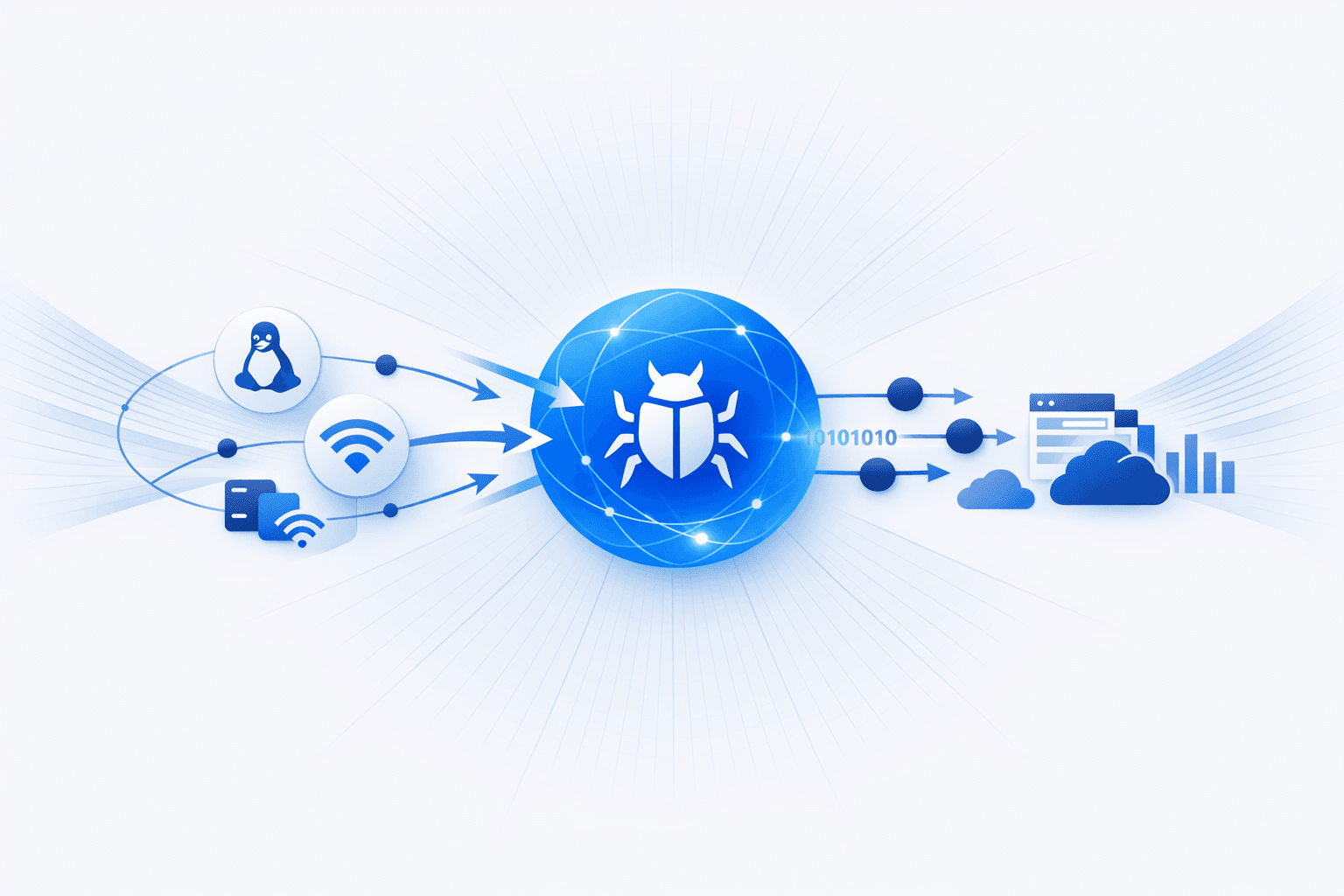
Security researchers reported that EnemyBot, a Linux-based botnet linked to the Keksec threat actor, expanded from targeting IoT devices into a broader malware platform aimed at exposed Linux servers, web servers, CMS platforms, and even Android devices. The malware is largely derived from Mirai and Qbot, with public source code and added modules for obfuscation, propagation, command-and-control, reverse shells, packet sniffing, shell command execution, and distributed denial-of-service attacks. Researchers said the botnet aggressively incorporated recently disclosed one-day vulnerabilities, including flaws affecting Log4j, VMware Workspace ONE, Spring Cloud Gateway, F5 BIG-IP, Adobe ColdFusion, WordPress plugins, and multiple routers and IoT products.
Analysis of observed infections showed EnemyBot using remote code execution and shell-based download chains to fetch an update.sh script, which then retrieved 13 architecture-specific ELF payloads for different Linux environments. The malware attempted access to web server /shell endpoints and used common utilities such as wget, busybox, curl, and ftpget to stage payloads, while its x86 variant performed port scanning, TCP/UDP flooding, host enumeration, duplicate-instance checks, and HTTP POST-based data theft. Researchers also noted encrypted code, anti-analysis checks that terminated execution in sandbox-like environments, and similarities to the short-lived LolFMe botnet, underscoring the risk to internet-facing Linux and IoT systems that remain unpatched or allow execution from temporary directories.