
Loading story…
India ordered a temporary nationwide block of Telegram and directed the platform to disable message editing in the country as authorities moved to protect the NEET-UG 2026 medical entrance re-examination from cheating and fraud. The restriction, issued under Section 69A of the Information Technology Act, is set to remain in place until June 22, while message editing is to stay disabled until June 30. Officials said scammers used Telegram channels, groups, and bots to sell fake exam papers, solicit payments from candidates and families, and exploit edited posts and PDFs with preserved timestamps to falsely claim they had leaked questions before the exam.
The action follows the cancellation of the original May exam after allegations of question paper leaks, forcing a June 21 rerun for more than 2 million candidates. Indian cyber authorities said they removed numerous Telegram-based fraud operations, while police in Ahmedabad arrested suspects linked to an inter-state scam ring that allegedly operated eight Telegram channels and moved about ₹1.5 crore. The Bihar Police Economic Offenses Unit, I4C, state police, the CBI, and the National Testing Agency said claims of pre-exam access were fraudulent, while digital rights advocates criticized the platform-wide restriction as disproportionate and argued that any real leak would more likely originate from insiders than from the messaging app itself.

Get the infrastructure and lures behind it.
10 events from the most recent confirmed update back to the earliest known activity.
Authorities scheduled the NEET-UG 2026 re-examination for June 21, 2026, for more than 2 million candidates after the original exam was canceled amid leak allegations.
On June 19, 2026, the Delhi High Court upheld India's temporary Telegram restriction imposed ahead of the NEET-UG 2026 re-exam. The ruling sustained the emergency measure despite Telegram's legal challenge.
In a June 18 affidavit to the Delhi High Court, the Indian government said Telegram had been warned roughly two weeks before the block and had acknowledged it could not proactively detect exam-leak channels, groups, and bots at scale. The filing was part of the ongoing court fight over India's temporary Telegram restrictions tied to NEET-UG 2026 fraud.
Pavel Durov alleged that Indian telecom operator Reliance interfered with Telegram access beyond India through unauthorized BGP announcements, describing the incident as BGP hijacking. He later said the routing problems had stopped.
Telegram challenged the Indian government’s temporary nationwide restriction and message-editing disablement order in a New Delhi court, arguing the measures were unlawful, disproportionate, and less effective than targeted removals. The company said it had already cooperated by removing hundreds of channels and more than 900 links tied to illegal NEET-related content.
Authorities directed Telegram to disable editing of previously published messages in India through June 30, 2026, to prevent scammers from altering old posts and PDFs to fake proof of advance access to exam papers.
India ordered a temporary nationwide restriction on Telegram under Section 69A to disrupt cheating and fraud tied to the NEET-UG 2026 re-examination. Authorities said the block would remain in place until June 22, 2026.
Indian cyber authorities and law enforcement agencies took down Telegram channels, groups, and bots advertising fake leaked papers and issued warnings that claims of pre-exam access were fraudulent.
Police in Ahmedabad arrested suspects linked to an inter-state cyber-fraud gang that allegedly operated eight Telegram channels and handled about 15 million rupees in fraudulent transactions tied to fake exam paper scams.
Authorities canceled the original May NEET-UG 2026 medical entrance exam after allegations that question papers had leaked, triggering public protests and heightened scrutiny of exam security.
Vulnerabilities, threat actors, malware, products, organizations, breaches, and observables Mallory has linked to this story. Indicator values are masked here and available in full in the app.
Indicator values are masked on this page. See the values in Mallory Domains, IPs, hashes, and URLs are exportable to your SIEM.
Get the infrastructure, lures, and IOCs behind this campaign, ready to push into your email and identity stack.
12 references tracked. Mallory keeps watching after this page renders.
stealthmole-intelligence-hub.blogspot.com
Open sourcecysecurity.news
Open sourcebleepingcomputer.com
Open sourcexakep.ru
Open sourcetherecord.media
Open sourcetherecord.media
Open sourcenta.ac.in
Open sourcecore.telegram.org
Open sourceMap indicators from this story to your assets and identify affected systems in minutes.
Every observed campaign, victim, and pivot linked to actors named in this story.
Malware, exploits, and IOCs connected to the activity described here.
YARA, Sigma, and Snort rules deployed to your SIEM as soon as they’re published.
Get matching new stories delivered to your team as they break — not the next morning.
Ask questions about this story and take action on the answers.
Other stories Mallory is tracking that overlap on entities, sources, or topic labels.
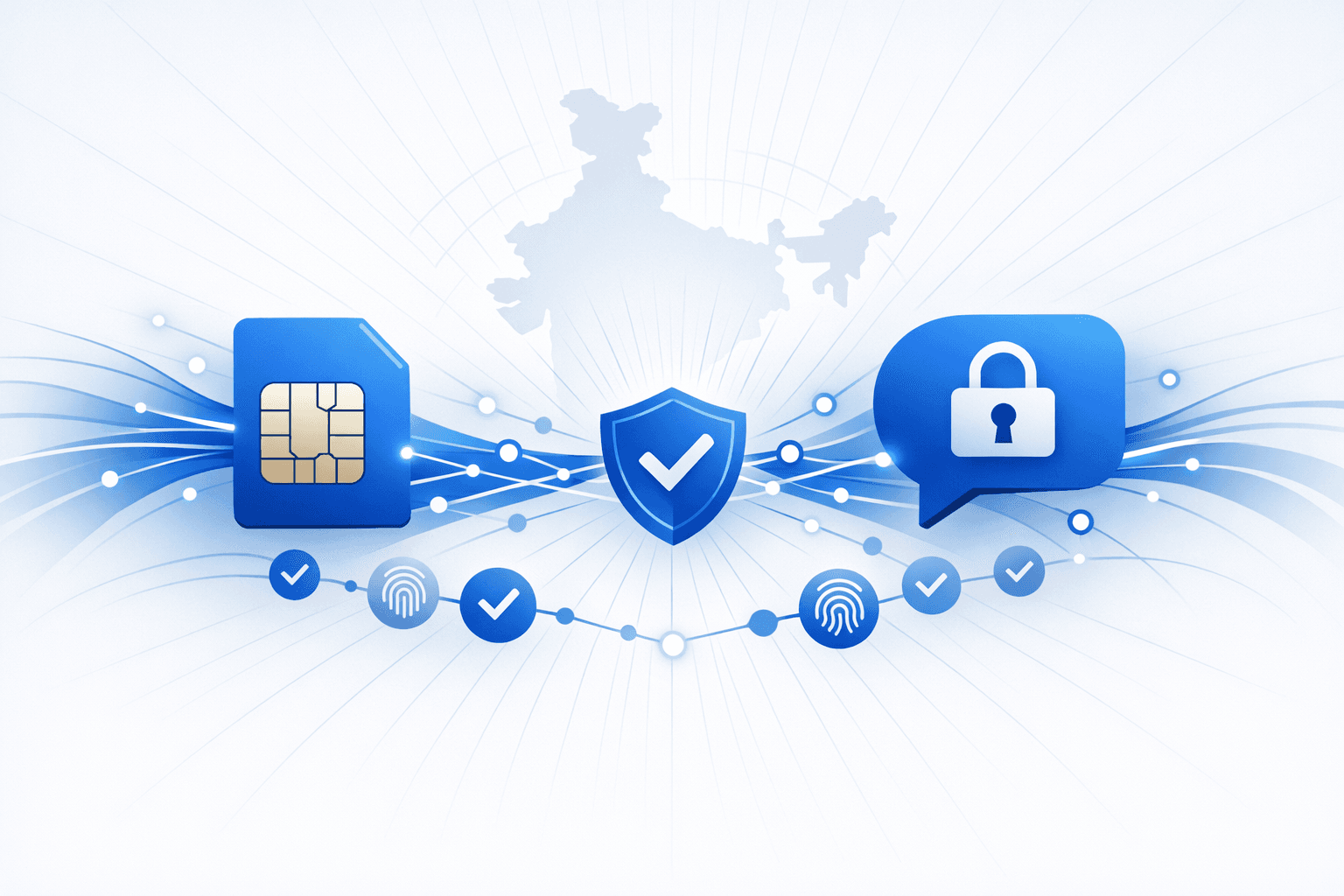
The Indian government has introduced new regulations requiring messaging apps such as WhatsApp, Telegram, Signal, and Snapchat to operate only with active SIM cards linked to users’ phone numbers. This move is intended to curb the rising incidents of cyber fraud and misuse, particularly those perpetrated from outside the country using Indian mobile numbers. Under the new rules, web and desktop sessions must automatically log out within six hours, and users will be required to re-verify their accounts frequently. Messaging app providers have 90 days to implement these changes and 120 days to report compliance, as part of an amendment to the 2024 Telecom Cyber Security Rules. The Department of Telecommunications (DoT) stated that the previous ability to maintain long-lived sessions without an active SIM was being exploited for large-scale, cross-border scams, phishing, and other fraudulent activities. By enforcing SIM-binding and frequent re-verification, authorities aim to close this security loophole and make it more difficult for criminals to operate anonymously or from abroad using Indian identifiers. The new measures are a direct response to the increasing sophistication of cybercriminals targeting Indian users through messaging platforms.
Jul 12, 2026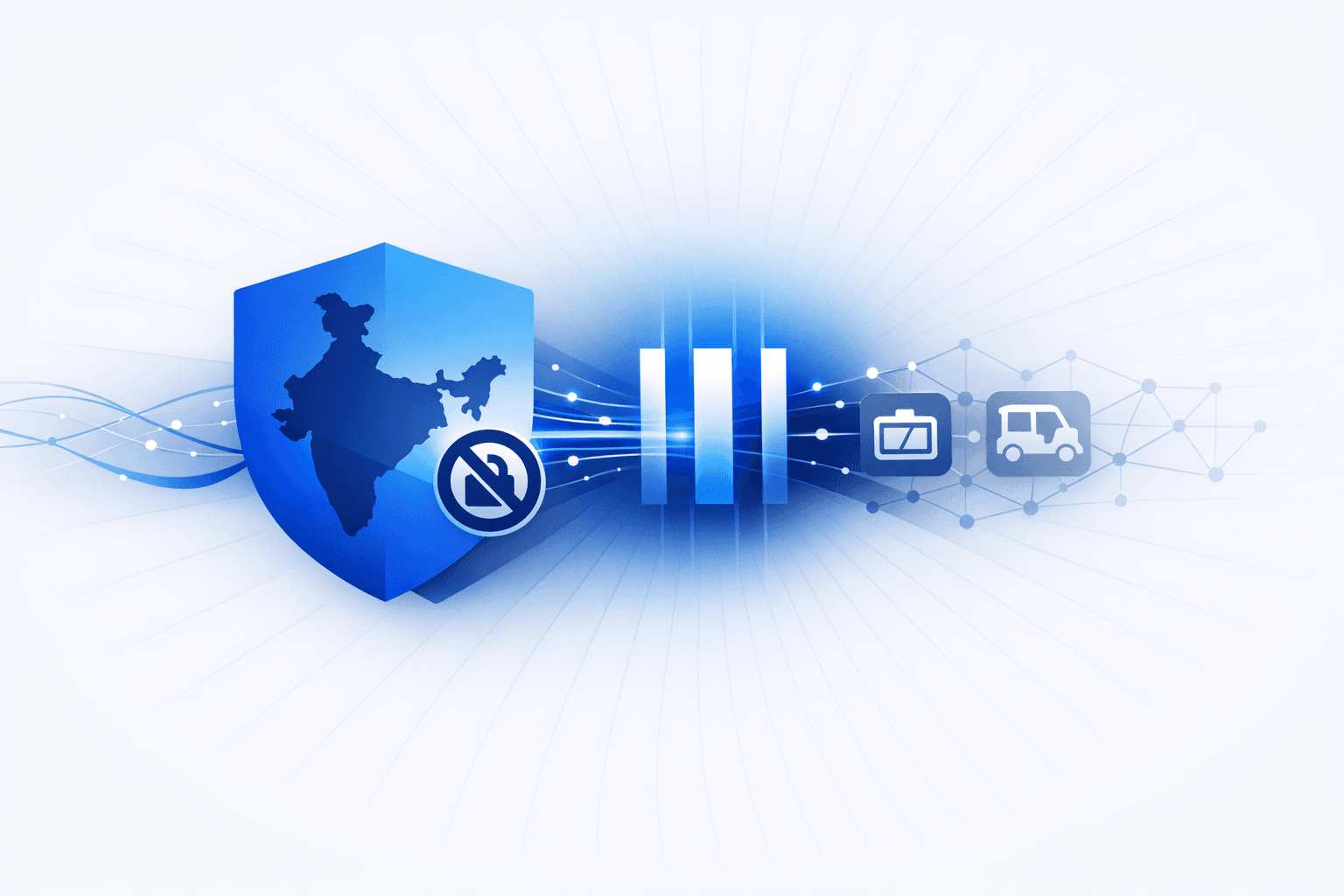
Indian authorities ordered the blocking of seven battery management system mobile apps, including **BAT-BMS**, after they were abused to remotely disable electric rickshaws and some e-scooters by connecting over Bluetooth to compatible lithium batteries. The misuse spread through viral videos and a prank trend known as the **Tirri Challenge**, leaving drivers stranded in traffic and causing service disruptions in multiple locations. Officials also linked the capability to extortion, including a case in Ujjain, Madhya Pradesh, where police arrested a suspect accused of immobilizing e-rickshaws and demanding payment from drivers. The Ministry of Electronics and Information Technology directed **Google** and **Apple** to remove the identified apps from their Indian app stores and warned marketplaces to apply greater due diligence where public safety is at risk. The action does not fully eliminate the threat, however, because the apps may still be available through third-party stores or alternate store regions, and vulnerable battery systems can still be accessed over Bluetooth if they lack password or PIN protection. The incident has intensified scrutiny of missing cybersecurity requirements in India’s e-rickshaw certification standards and the broader risks posed by connected electric mobility systems.
Jul 12, 2026
WhatsApp is preparing to introduce unique usernames that would let people message each other without sharing phone numbers, a change positioned as a privacy improvement for group chats, events, and first-time contacts. The feature is designed without a public directory, requiring users to know an exact username, but officials and cybersecurity authorities have warned it could also make impersonation and phishing easier by allowing attackers to register lookalike names resembling trusted individuals, brands, banks, or government bodies. India’s Ministry of Electronics and Information Technology (**MeitY**) has asked WhatsApp to suspend the rollout until it receives government approval, arguing the feature could fuel phishing, so-called digital arrest scams, and fraud targeting public authorities and financial institutions in WhatsApp’s largest market of more than 850 million users. WhatsApp said it plans safeguards including contextual warnings, reserved usernames for legitimate organizations, lookalike protections, contact-initiation limits, anti-enumeration controls, and abuse-detection systems, while security guidance has urged users to verify suspicious contacts through official channels and advised organizations to reserve official usernames early and clearly communicate their legitimate accounts.
Jul 8, 2026