
Loading story…
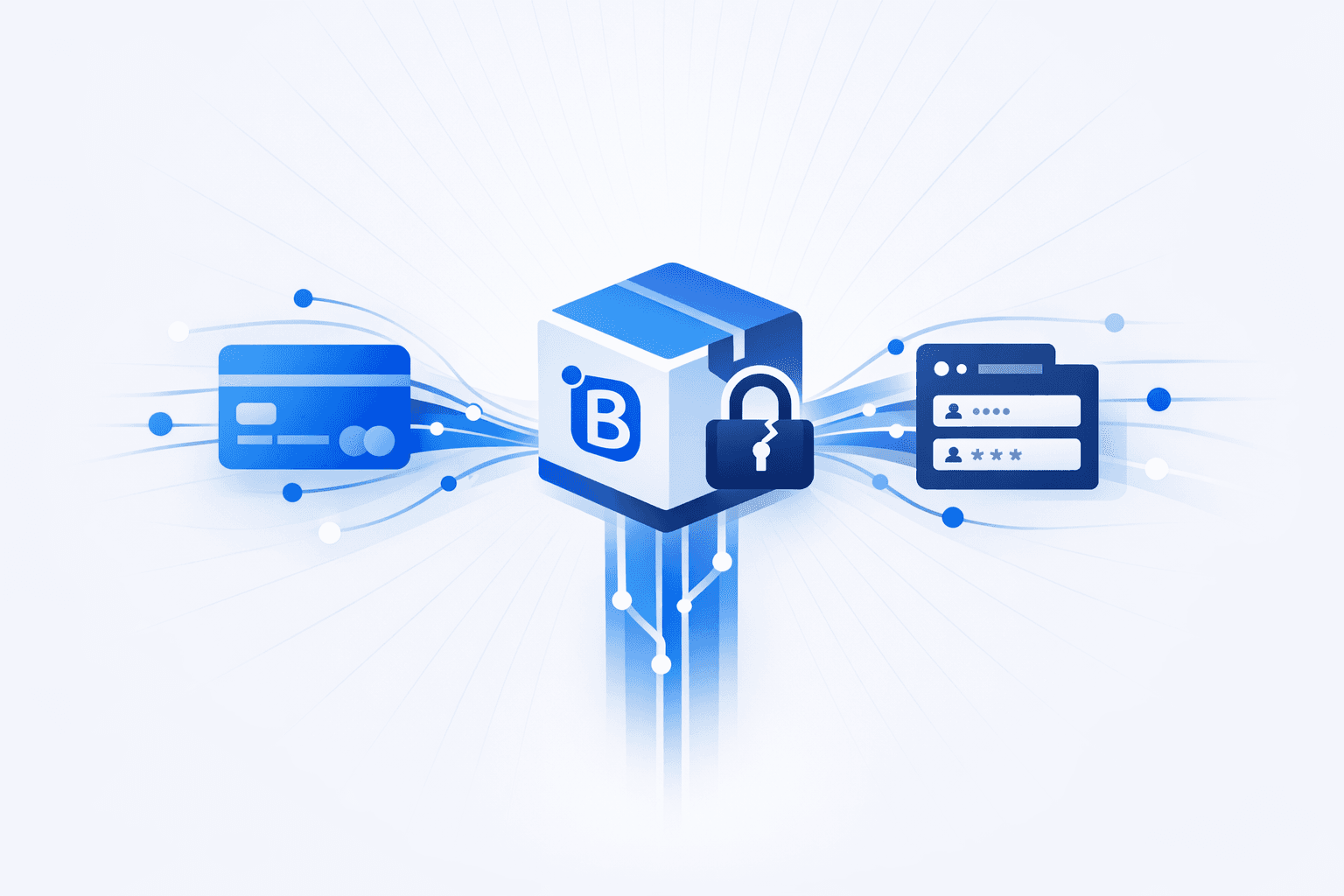
A malicious NuGet package named Braintree.Net impersonated the legitimate Braintree .NET payment SDK in a supply-chain attack targeting developers and payment-processing applications. Researchers found that the package preserved normal payment functionality to avoid detection while covertly skimming payment card data, stealing Braintree merchant API credentials, and exfiltrating host secrets through multiple attacker-controlled channels. The campaign also used a companion package, DependencyInjector.Core, and selectively enabled card and credential theft in production environments while harvesting broader secrets from applications running on .NET 8 or newer.
Socket Threat Research reported that the first malicious version appeared on July 3 and was later reported to NuGet for removal, but not before the actor inflated apparent popularity with numerous throwaway releases and drew an estimated 334 real installs to the malicious packages. Organizations that installed Braintree.Net have been urged to remove it immediately, replace it with the official Braintree package, rotate all Braintree credentials, investigate potential PCI exposure, and block outbound connections to the attacker infrastructure.
Trace attribution and downstream blast radius.
2 events from the most recent confirmed update back to the earliest known activity.
After identifying the malicious Braintree.Net package, Socket reported it to NuGet for removal as part of responding to the supply-chain attack targeting .NET developers.
Socket Threat Research detected the first malicious version of the typosquatted NuGet package Braintree.Net, which impersonated the legitimate Braintree payment SDK and contained code to steal payment card data, merchant API credentials, and host secrets.
Vulnerabilities, threat actors, malware, products, organizations, breaches, and observables Mallory has linked to this story. Indicator values are masked here and available in full in the app.
Indicator values are masked on this page. See the values in Mallory Domains, IPs, hashes, and URLs are exportable to your SIEM.
See attribution and downstream blast radius, and whether this package or vendor reaches your builds.
2 references tracked. Mallory keeps watching after this page renders.
Map indicators from this story to your assets and identify affected systems in minutes.
Every observed campaign, victim, and pivot linked to actors named in this story.
Malware, exploits, and IOCs connected to the activity described here.
YARA, Sigma, and Snort rules deployed to your SIEM as soon as they’re published.
Get matching new stories delivered to your team as they break — not the next morning.
Ask questions about this story and take action on the answers.
Other stories Mallory is tracking that overlap on entities, sources, or topic labels.

A typosquatted NuGet package named **`Braintree.Net`** was identified as a malicious counterfeit of the legitimate Braintree .NET SDK, targeting payment-processing applications and silently stealing sensitive data while preserving normal transaction flows. Reported malicious versions include **`3.35.8`**, **`3.35.9`**, **`3.36.0`**, and **`3.36.1`**, with related exposure through malicious **`DependencyInjector.Core`** releases and transitive dependencies including **`sipnet`** and **`sipnet.openai.realtime`**. The package reportedly harvested payment-card numbers, CVVs, expiration dates, customer and transaction details, Braintree merchant API keys, environment variables, and cloud or container secrets, while package metadata referenced the real Braintree GitHub repository to appear legitimate. The malware reportedly used XOR obfuscation to conceal its command-and-control infrastructure and checked whether it was running in a production environment before activating key collection behavior. Reported exfiltration infrastructure included **`api.348672-shakepay[.]com`** and the paths **`/api/card`**, **`/api/account`**, and **`/api/analytics/report`**. Organizations that installed the package were urged to remove the malicious dependencies, preserve forensic evidence, review outbound connections and payment activity, rotate exposed payment and infrastructure credentials, rebuild from clean dependencies, and scan affected developer and build systems for broader compromise.
Jul 10, 2026
A coordinated software supply-chain campaign used 17 malicious npm and PyPI packages to impersonate SDKs for **PaySafe**, **Skrill**, and **Neteller**, targeting developers and CI pipelines that installed the fake libraries. The packages harvested environment variables containing API keys, tokens, passwords, and cloud credentials, then exfiltrated the data to an **ngrok**-backed command-and-control endpoint hosted on AWS infrastructure. Socket reported that the npm variants only triggered exfiltration when a Paysafe API key was present, while the PyPI packages activated more broadly through malicious `__init__.py` placement. The malware used layered obfuscation to conceal its infrastructure and included sandbox-evasion checks based on CPU count, hostname, and username to avoid analysis. The activity reflects a broader pattern of attackers planting malicious developer tooling and lookalike packages to compromise build and development environments. Defenders were urged to block the identified package names, investigate outbound connections to the reported ngrok domain, and rotate any secrets exposed in affected environments.
Jul 12, 2026
Researchers have uncovered a series of malicious packages published to the NuGet open-source platform, specifically targeting cryptocurrency users and developers. These packages, such as the impersonation of the legitimate `Nethereum` library, were designed to steal crypto funds by redirecting transactions to attacker-controlled wallets and exfiltrating sensitive secrets. The campaign, active since at least July 2025, involved at least 14 packages that mimicked legitimate crypto-related tools, using techniques like homoglyphs and typosquatting to evade detection and appear trustworthy. The malicious code was carefully hidden within copied legitimate functionality, making analysis and detection more challenging for defenders. The attackers leveraged multiple open-source ecosystems in their broader campaign, but the recent focus on NuGet marks a significant escalation. The packages were published by various authors over several months, and their malicious intent included both direct theft of funds and the collection of credentials for later exploitation. Security researchers emphasize the sophistication of these attacks, highlighting the need for increased vigilance when using third-party packages in development environments, especially those related to cryptocurrency operations.
Jun 29, 2026