AI Connectors Raise Enterprise Risk Through Broad Data Access and Trusted Actions
Emerging Technology Risk · 7 sources · Updated 4mo ago · First seen Jul 19, 2026
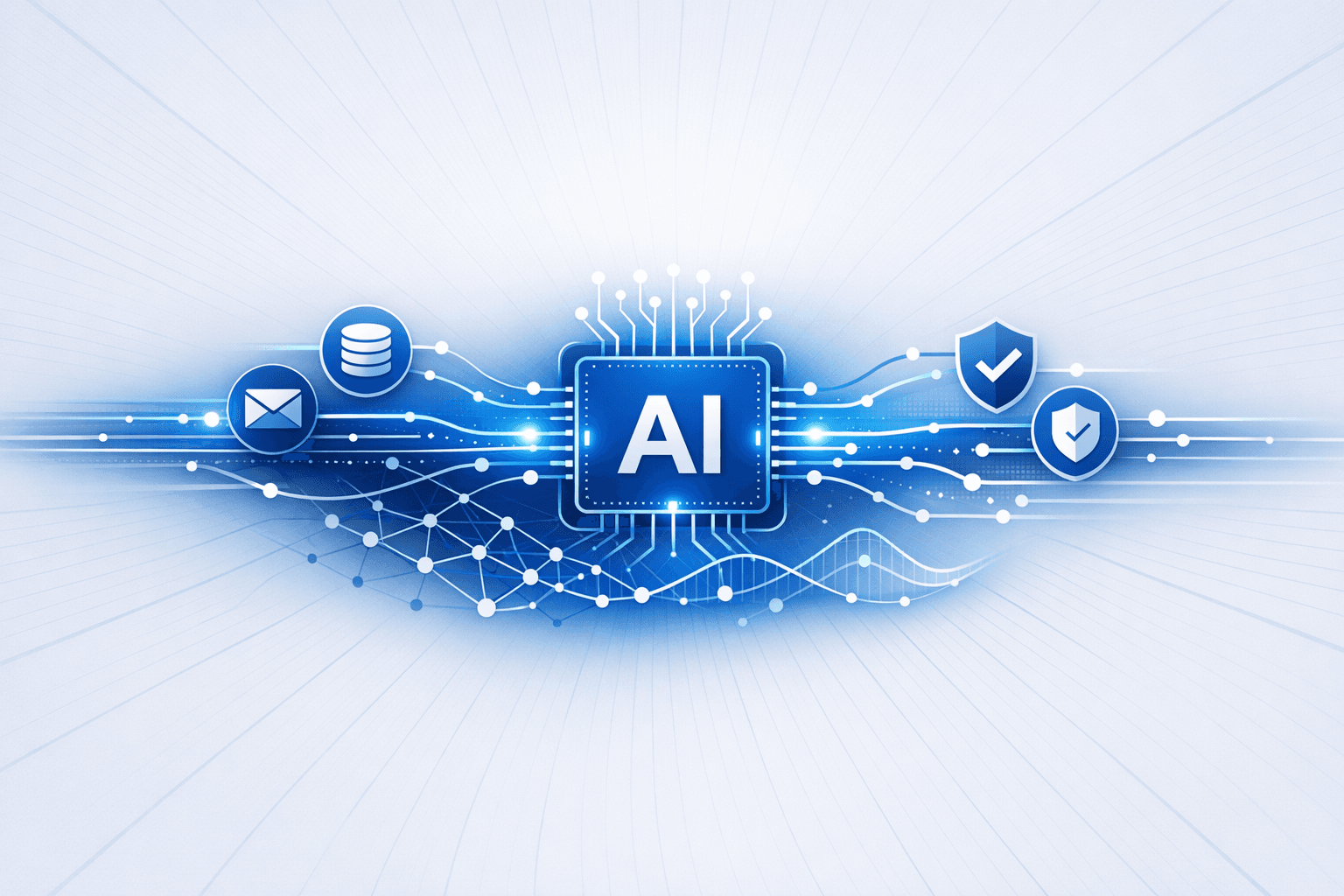
Security researchers and enterprise administrators are warning that connecting AI assistants such as Claude, ChatGPT, and Copilot to business platforms like Microsoft 365, Gmail, Slack, Dropbox, Zoom, Outlook, SharePoint, and OneDrive can sharply expand the attack surface. Reporting on the connector ecosystem said hundreds of integrations changed within weeks and many can pass data to additional AI services or subprocessors, complicating governance and creating hidden exposure outside primary enterprise controls. Anthropic documentation also notes that connected services process data on their own infrastructure and under their own terms, adding compliance concerns for organizations handling sensitive or regulated information.
The operational risk is not limited to data access: security coverage described "authority laundering", where untrusted input is transformed by one AI system into trusted instructions for another system authorized to act, including a cited case involving fund movement. Sysadmin discussions echoed those concerns, with organizations debating whether to allow broad OAuth access to Outlook, Teams, calendars, files, and even local device control, especially in HIPAA-regulated environments. Microsoft is meanwhile replacing Outlook's confusing Meeting Insights feature with a deeper Microsoft 365 Copilot meeting-prep experience, while vendors such as Ledger are promoting safer agent designs that keep AI actions read-only until a human approves sensitive operations on hardware.