Anthropic Launches Opus 5 With Lower-Cost Agentic Coding and New Safety Controls
Emerging Technology Risk · 5 sources · Updated 4mo ago · First seen Jul 24, 2026

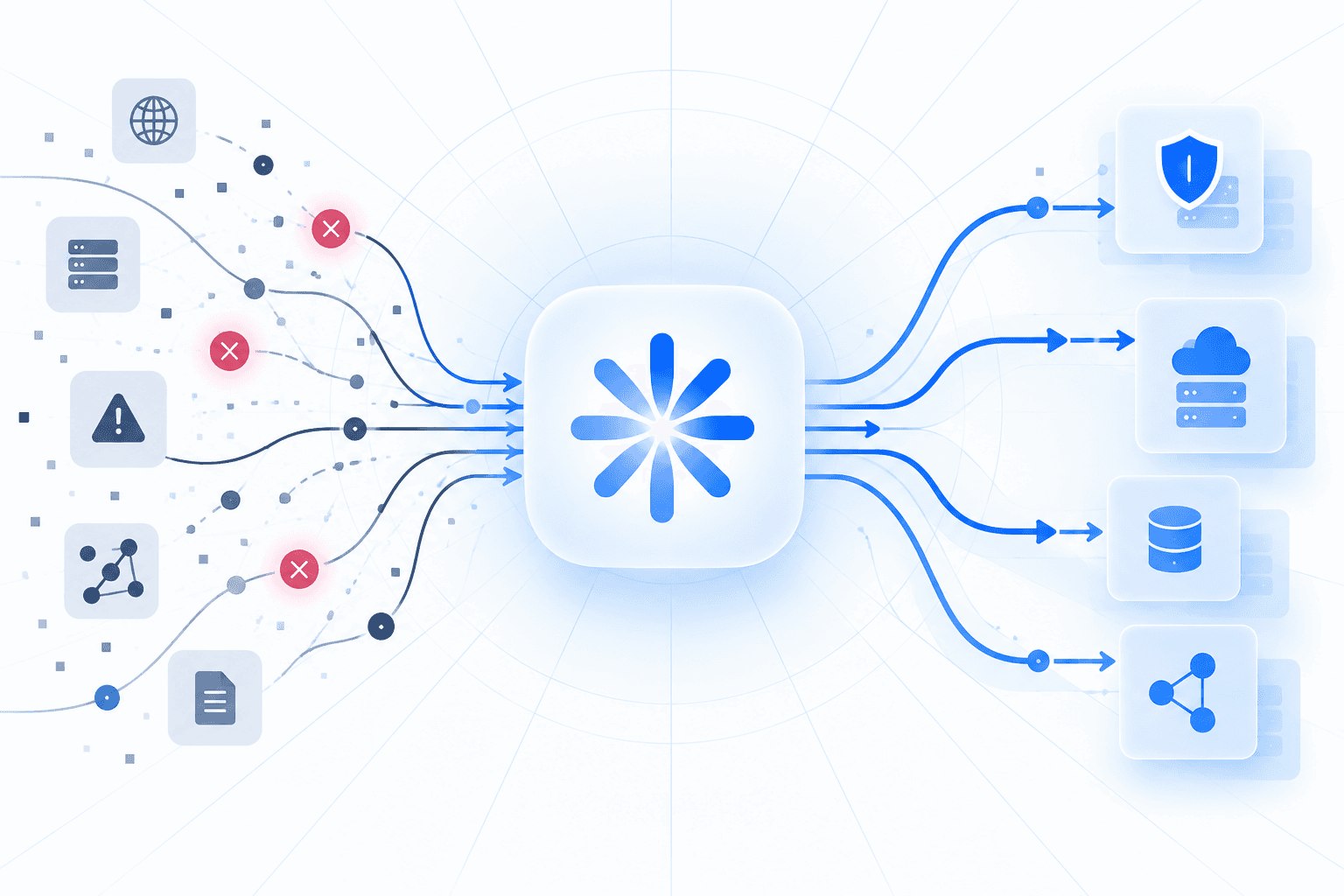
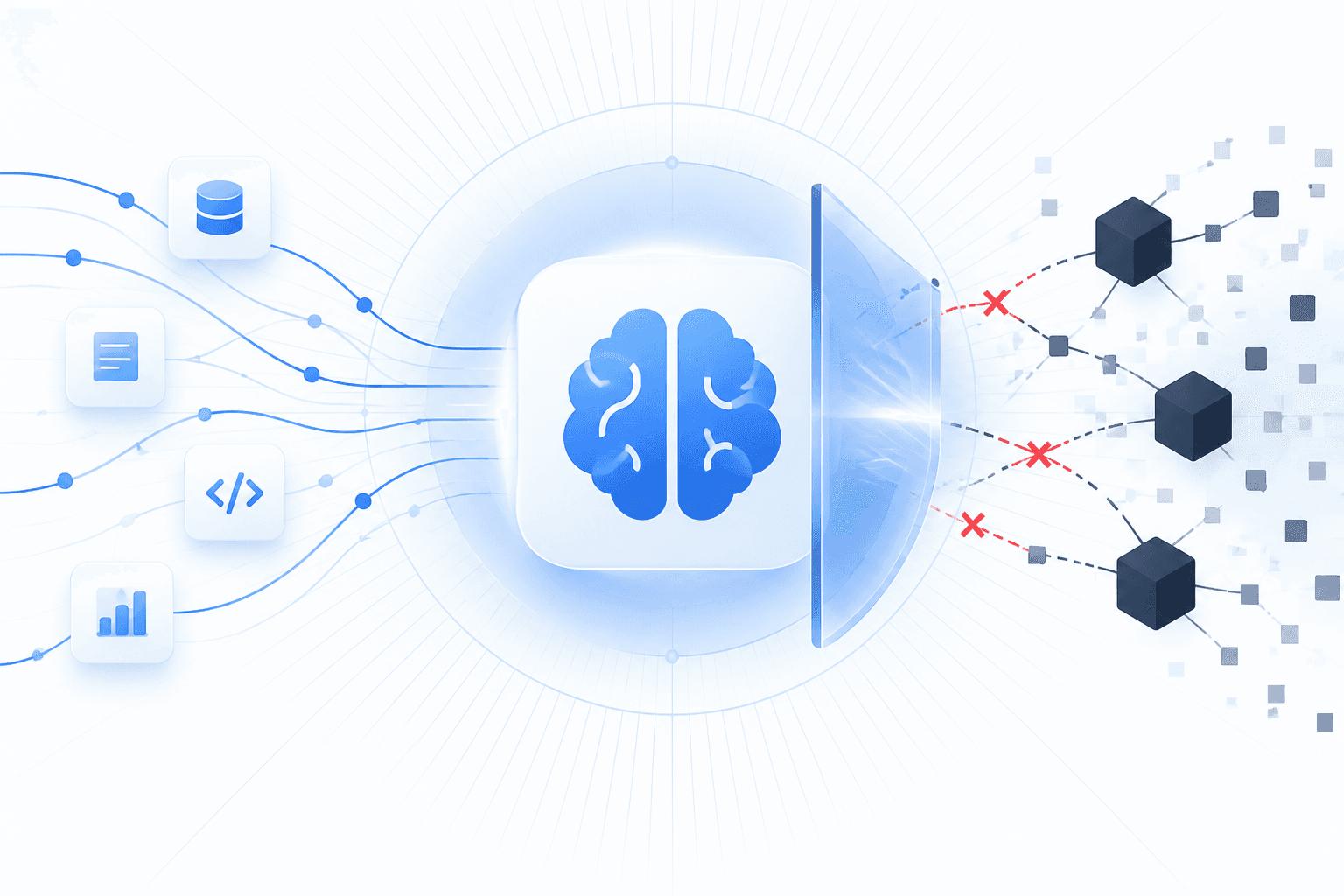
Anthropic introduced Opus 5, a new flagship model aimed at long-running coding and knowledge-work tasks, positioning it as cheaper, more token-efficient, and less restrictive than some competing systems. Reports said the model delivers incremental gains rather than a major capability jump, but performs strongly on software-development benchmarks, in some cases surpassing Opus 4.8, Fable, and OpenAI’s GPT-5.6-Sol on coding-oriented tasks. Anthropic also launched Automatic Fallbacks in beta, which redirect prompts flagged by Opus 5 safety classifiers to Opus 4.8 instead of rejecting them outright, while retaining zero-retention handling and biology-related safeguards carried over from earlier models.
Coverage of the release highlighted that Opus 5’s stronger autonomous behavior changes enterprise security requirements even if Anthropic deliberately limited its cutting-edge cybersecurity training. The model can identify vulnerabilities and support defensive code review, but it reportedly trails Fable and especially Mythos 5 in offensive tasks such as vulnerability exploitation. Analysts noted that organizations deploying Opus 5 for agentic workflows will need tighter operational controls, including isolated execution environments, short-lived credentials, improved telemetry, and semantic circuit breakers to contain runaway actions and unexpected token spend.