GitHub and PyPI Add Time-Based Controls to Curb Package Supply-Chain Attacks
Regulatory & Policy · 6 sources · Updated 3mo ago · First seen Jul 26, 2026
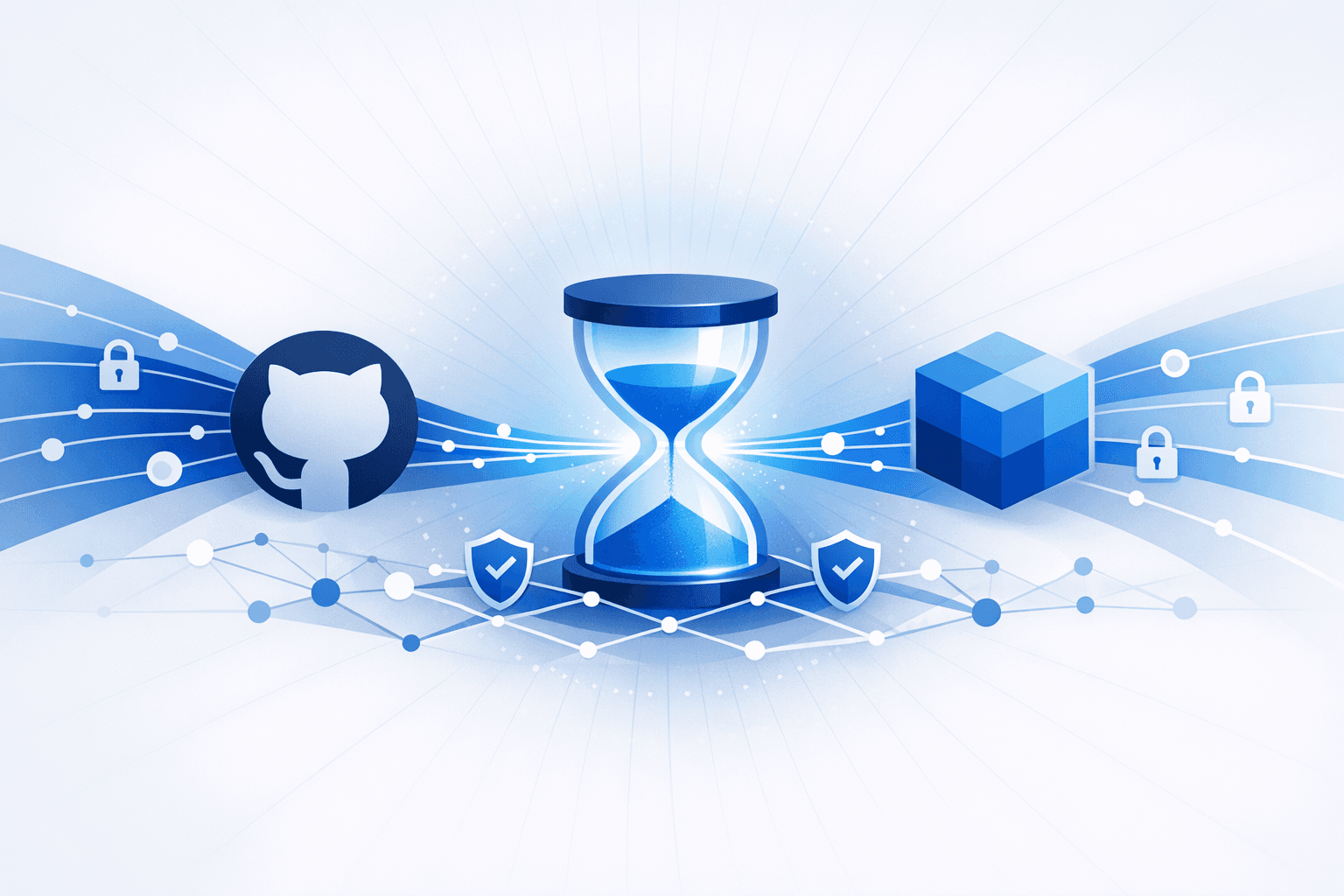
GitHub and the Python Package Index (PyPI) introduced new time-based protections aimed at slowing the spread of malicious open-source packages and preventing tampering with trusted releases. GitHub added a default 72-hour cooldown for non-security Dependabot updates, delaying automatic pull requests for newly published package versions so suspicious releases have more time to be detected and removed before broad adoption.
PyPI said it will block maintainers from uploading new files to package releases more than 14 days old, a safeguard designed to stop attackers from poisoning long-stable versions after compromising maintainer accounts, tokens, or publishing workflows. PyPI said it has not seen this technique abused to date, but noted there is no technical barrier to it; the restriction is expected to be enforced after the Upload 2.0 API and staged previews are standardized under PEP 694. Both platforms said the changes respond to repeated software supply-chain incidents, while GitHub also urged developers to keep using controls such as lockfiles, scoped tokens, and disabling unnecessary CI install scripts.