DPRK-Linked ClickFix Campaign Uses EtherHiding to Steal Crypto Wallets on macOS
Malware Intelligence · 4 sources · Updated 4mo ago · First seen Jul 31, 2026

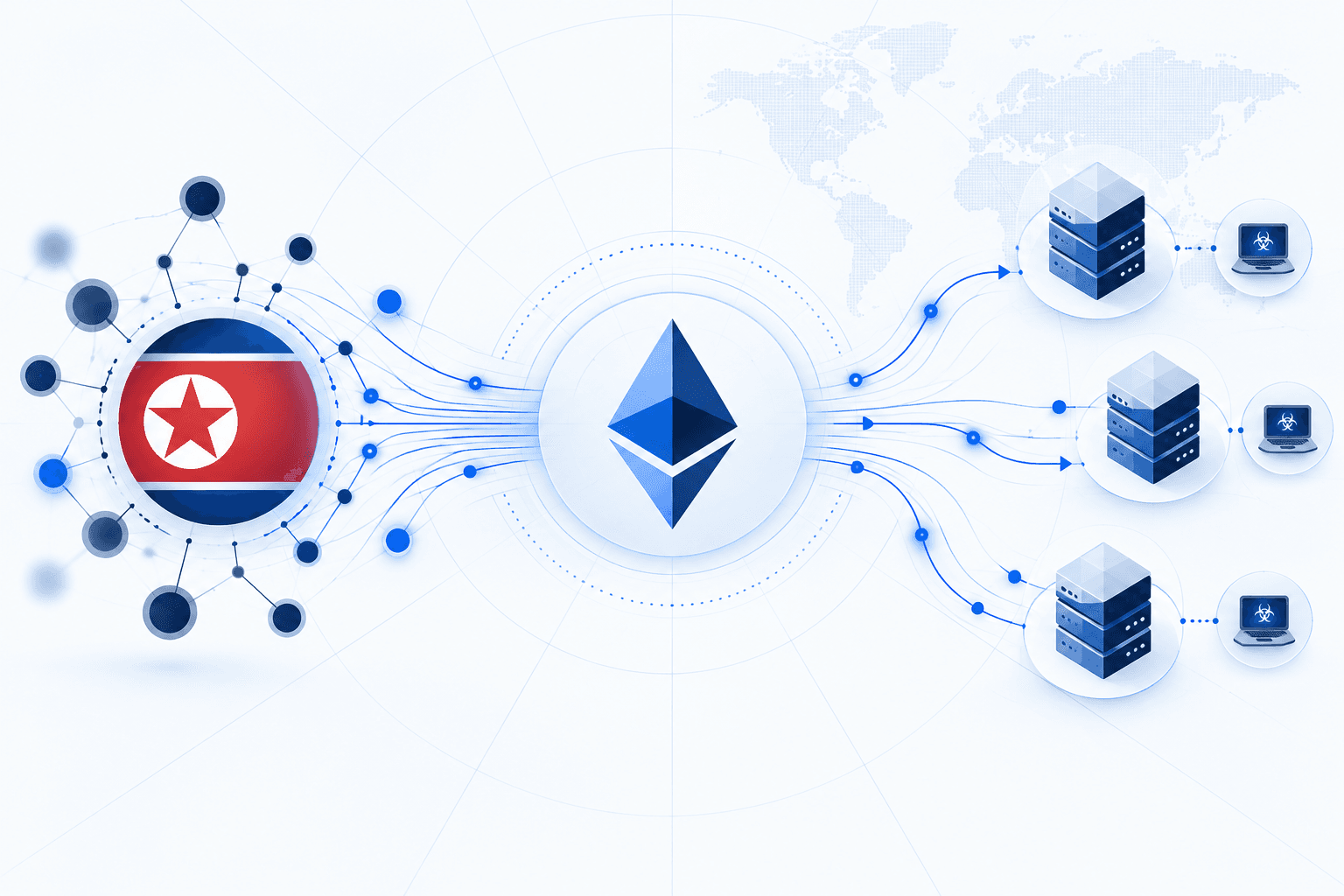
A DPRK-linked campaign is targeting macOS users with fake full-screen update prompts delivered through malvertising or injected scripts, tricking victims into pasting a clipboard-loaded command into Terminal. The command launches a multi-stage infection chain tied by tradecraft to UNC5342 and Contagious Interview, installing Node.js and an obfuscated backdoor that retrieves command-and-control settings from Ethereum smart contracts through public RPC endpoints. By using EtherHiding instead of fixed infrastructure, the operators make their C2 configuration more resilient to disruption and takedown.
After execution, the malware deploys an infostealer aimed at 157 cryptocurrency wallets, browser secrets, and developer credentials, and installs a malicious Chrome extension masquerading as Google Drive Offline to maintain browser-level access. AllSecure linked the malware, infrastructure, extension, and on-chain funding flows to a broader crypto-theft operation, tracking 464.80 ETH—about $890,000—into attacker treasury infrastructure between late May and July 2026, with laundering paths leading toward tagged phishing-related sink wallets. Defenders are advised to treat any host where the pasted command was executed as fully compromised, isolate it immediately, reset credentials from a clean device, and move cryptocurrency assets to a clean wallet.
Why it matters
Impact assessment
This campaign affects macOS users, with elevated risk for cryptocurrency holders, developers, researchers, and employees who may follow browser-delivered installation or update prompts. Impact is high because the malware chain enables credential theft, browser session theft, wallet compromise, persistent remote access, and potential follow-on access into corporate infrastructure.
Exposure appears targeted through malvertising and injected-script delivery rather than indiscriminate mass exploitation, but the lure is broadly applicable to normal web browsing and search activity. There are reported incidents and active use in the wild, including Huntress investigation findings for MacSync and AllSecure tracking of 464.80 ETH, about $890,000, flowing into attacker treasury infrastructure between late May and July 2026.
Affected populations
- macOS users targeted with fake update or installation guidance
- Cryptocurrency users with browser wallet extensions, desktop wallets, Ledger Live, LedgerWallet, or Trezor Suite
- Developers and cloud administrators with local SSH keys, Foundry keystores, .aws, .azure, .npmrc, and browser-based sessions
- Enterprises where browser cookies, saved credentials, and source-control access can enable lateral or cloud access
Severity and business impact
- Direct financial theft risk through wallet data theft and seed phrase capture
- Credential compromise affecting browsers, keychain, Telegram, cloud, and developer tooling
- Persistent host compromise via RAT and LaunchAgent persistence
- Potential reputational and operational impact if stolen browser sessions or cloud credentials are used against corporate systems
Scope and exploitation status
- Active campaign linked by tradecraft to UNC5342 and Contagious Interview
- Delivery observed via malvertising, sponsored search results, fake Claude guidance, and injected scripts
- Confirmed in-the-wild activity from multiple reporting sources
- On-chain tracking tied attacker infrastructure to substantial cryptocurrency flows