OpenAI Adds ChatGPT Lockdown Mode and Active Session Controls
Emerging Technology Risk · 2 sources · Updated 4mo ago · First seen Aug 11, 2026

OpenAI introduced two new ChatGPT account security features: Lockdown Mode, designed to reduce prompt-injection-driven data exfiltration, and Active Sessions, which lets users review and terminate account sign-ins. Lockdown Mode restricts ChatGPT’s access to the web and external services so that even if hidden malicious instructions reach the model, the outbound exfiltration step is harder to complete. OpenAI first made the feature available to enterprise customers in February before expanding rollout to personal and self-serve business accounts in early June.
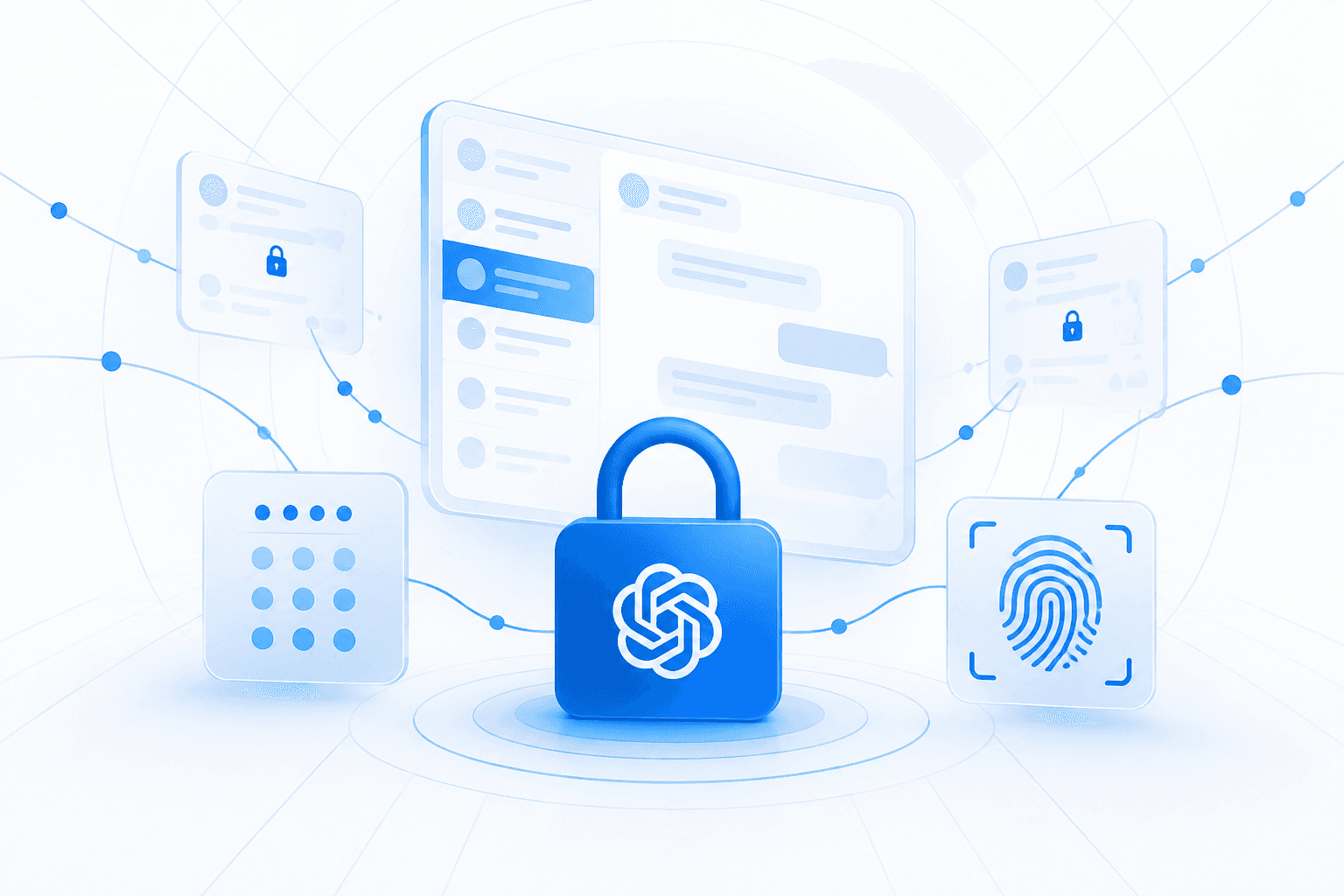
The company said Lockdown Mode is intended for users and organizations handling sensitive data, but it comes with functional tradeoffs. When enabled, it disables live connector access, write actions, certain tools such as Finances and shopping agents, and it cannot be used with Developer Mode. Active Sessions adds visibility into logged-in devices, approximate locations, sign-in times, app usage, and trusted or current session status, while allowing users to revoke individual sessions or sign out everywhere; however, it does not support SSO-based accounts and does not track third-party app sessions or Codex CLI logins.
Why it matters
Impact assessment
OpenAI's new ChatGPT controls primarily affect organizations and users that handle sensitive data in ChatGPT, especially enterprise, business, and personal accounts using connectors or external-service features. The impact is defensive rather than incident-driven: these features reduce exposure to prompt-injection-enabled data exfiltration and improve account session visibility, but they also introduce usability tradeoffs and leave gaps for SSO, third-party app sessions, and Codex CLI logins.
Business impact summary
There is no reported breach or active exploitation campaign in this story. The exposure is broad across ChatGPT users, but the practical risk is highest for environments where users connect inboxes, web access, or other external services to AI workflows.
Affected populations
- ChatGPT enterprise customers, with Lockdown Mode first offered in February
- Personal and self-serve business ChatGPT accounts, with rollout beginning in early June
- Users and organizations handling sensitive data in ChatGPT
- Accounts using first-party ChatGPT and Codex apps for interactive sessions
Severity and scope
- Severity is moderate from a defensive posture perspective because the feature addresses a realistic data-exfiltration path in AI-assisted workflows
- Scope is widespread across the ChatGPT ecosystem, but risk concentration is highest where connectors, web access, and tool integrations are enabled
- Operational impact of enabling Lockdown Mode includes loss of live connector access, write actions, Finances, shopping agents, and incompatibility with Developer Mode
Known incidents and exposure context
- No specific in-the-wild exploitation incidents are cited
- The story references researcher demonstrations showing a single hidden instruction can pull data from a linked inbox or leak conversations
- OpenAI's feature design implicitly acknowledges prompt injection as a credible exfiltration risk in default-enabled AI workflows