Mallory
← Back to News
state-sponsored-espionagecommand-and-control-methodcredential-stealer-activityremote-access-implant

North Korea-Linked Cross-Chain TxDataHiding Malware Used Blockchain as Resilient C2

Threat Actor Intelligence · 4 sources · Updated 4mo ago · First seen Aug 14, 2026
North Korea-Linked Cross-Chain TxDataHiding Malware Used Blockchain as Resilient C2

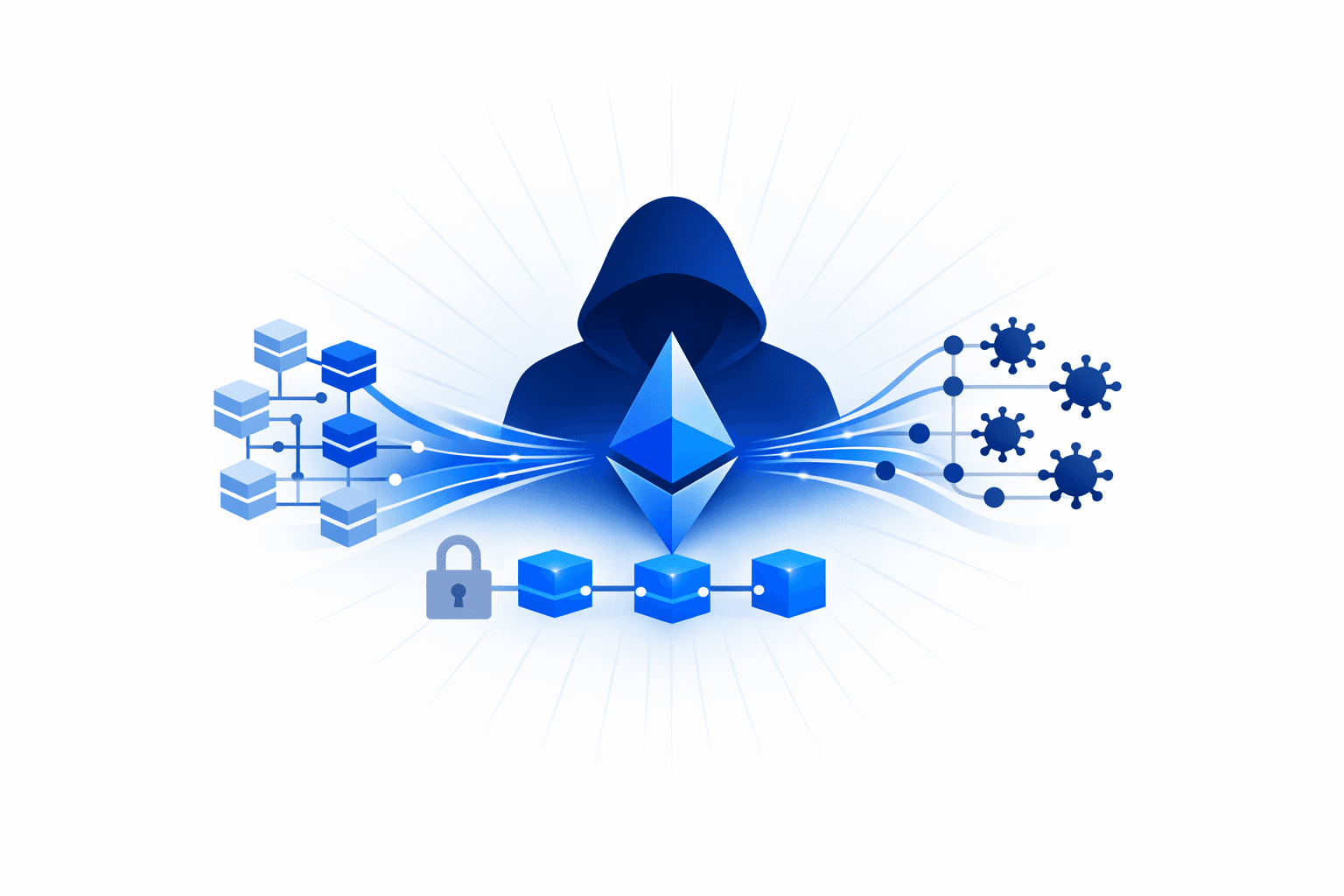
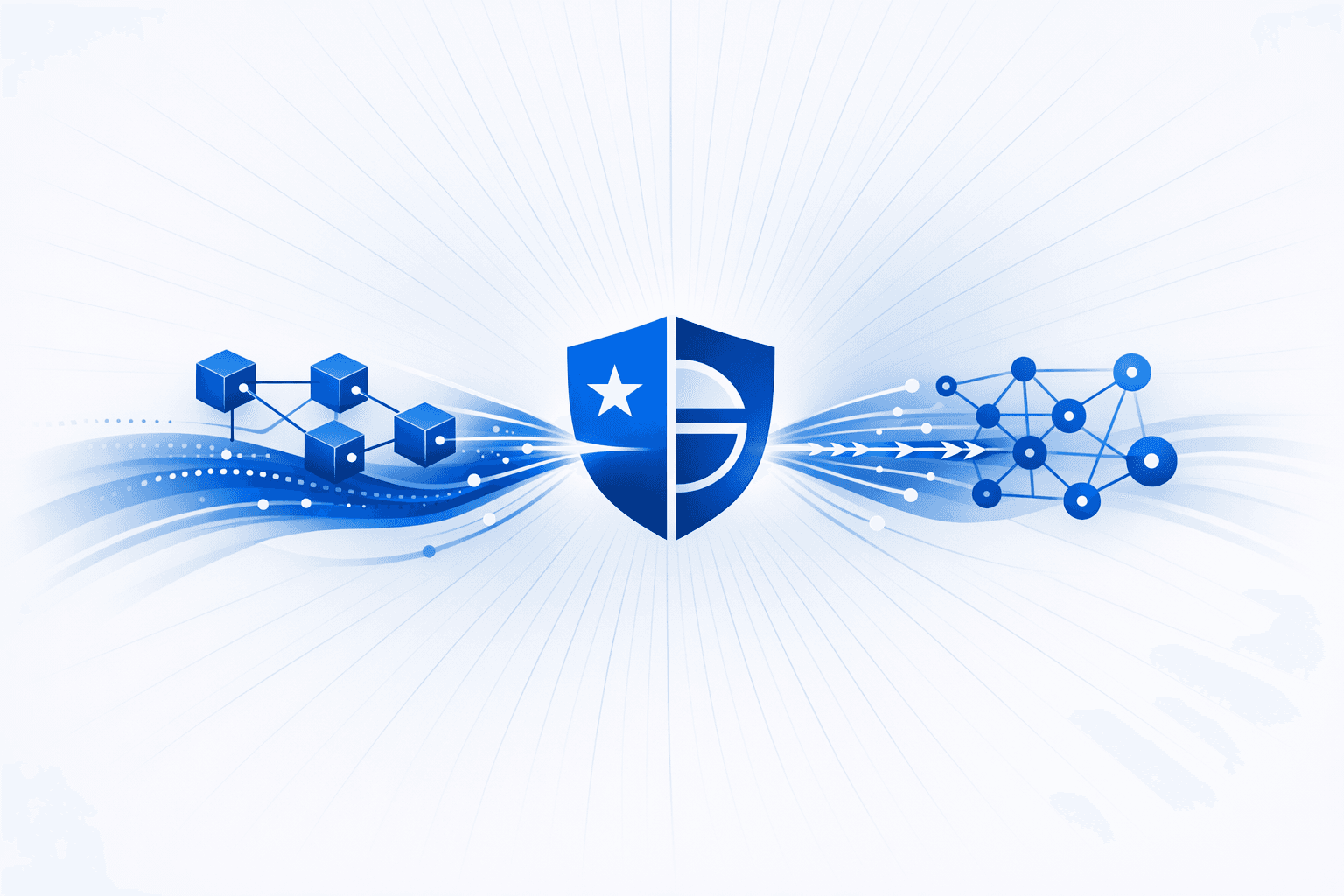
Researchers from Ransom-ISAC, Bridewell, and Crystal Intelligence detailed a malware campaign that used a weaponized private GitHub repository and Telegram-based fake job lures to target developers, delivering a multi-stage infection chain built around Cross-Chain TxDataHiding. In the observed September 2025 intrusion, a trojanized node-react-e-commerce project hid encrypted JavaScript payloads and command data in blockchain transactions, using TRON or Aptos records as pointers to Binance Smart Chain data and later expanding across Ethereum, Aurora, and other chains. The malware chain included the JavaScript RAT DEV#POPPER.js and the Python stealer OmniStealer, enabling cross-platform execution on Windows, macOS, and Linux, persistence through VSCode and Cursor IDE modification, and theft of credentials, browser artifacts, wallet data, environment variables, and developer secrets.

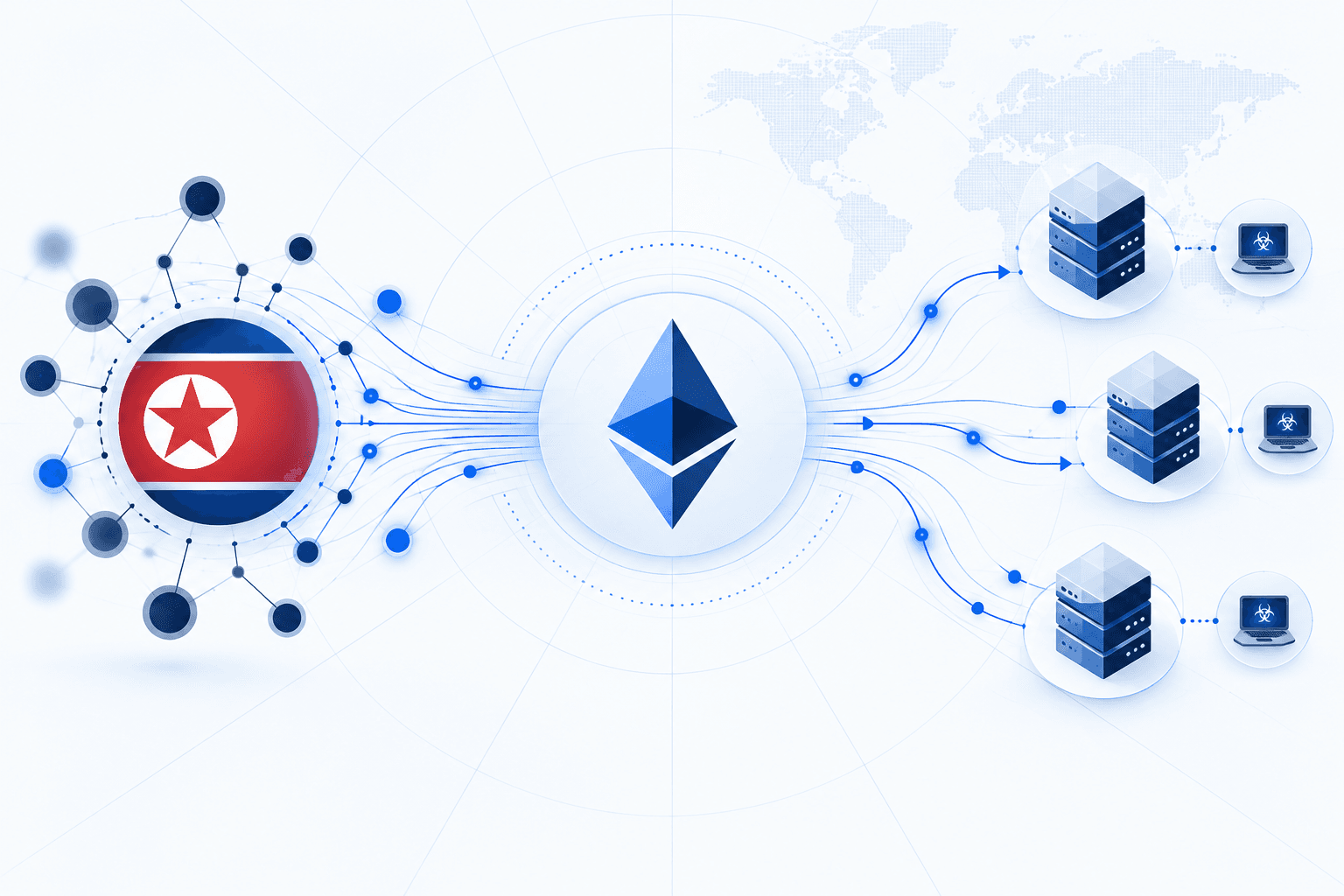
Investigators said the campaign paired blockchain-hosted payload delivery with conventional HTTP and socket.io command-and-control infrastructure, including clusters tied to Evoxt, Clouvider, PJSC Megafon, and a Russia-linked RDP setup, while some infrastructure also overlapped with IPs previously reported in 2025 NPM supply-chain compromises. A later financial-forensics investigation attributed the broader blockchain malware infrastructure to North Korean threat actors by tracing operational wallets through bridges, swap services, and laundering hubs including Huione, Xinbi Guarantee, and BlackU, and by linking funding flows to wallets associated with documented DPRK cryptocurrency thefts, including the Bybit theft. Researchers also cited weekday working-hour patterns, rotating C2 servers, and one wallet access event from IP 188.43.33.249 in Vladivostok consistent with known DPRK routing, concluding that the attackers built a hard-to-disrupt on-chain malware and C2 ecosystem designed for stealth, resilience, and cryptocurrency theft.

Why it matters

Impact assessment

This campaign primarily affects software developers, cryptocurrency and blockchain organizations, and enterprises with engineering staff using GitHub, Telegram, VS Code, or Cursor on Windows, macOS, and Linux. Impact is high because the malware chain enables remote code execution, persistent IDE compromise, theft of credentials and developer secrets, and direct cryptocurrency wallet theft.

The exposure is targeted rather than indiscriminate, but the tradecraft is scalable and resilient because payloads and command data are embedded across public blockchains and backed by conventional C2. Researchers describe observed activity from June through November 2025 and assess links to North Korean operators, with financial tracing tying operational wallets to documented DPRK cryptocurrency theft activity including the Bybit theft.

Affected populations and business risk

  • Targeted users: developers approached through fake job lures on LinkedIn and Telegram
  • Targeted sectors: cryptocurrency, blockchain, software development, and any enterprise employing developers with access to source code, CI/CD secrets, wallets, or cloud credentials
  • Affected products and environments:
    • GitHub private repositories
    • Microsoft VS Code
    • Cursor IDE
    • Browsers and browser extensions
    • Standalone wallet applications
    • Windows, macOS, and Linux endpoints
  • Business impacts:
    • Theft of source code and developer credentials
    • Theft of browser credentials, cookies, and password vault contents
    • Theft of cryptocurrency wallets, private keys, and wallet extension data
    • Persistence inside developer tooling, increasing dwell time and reinfection risk
    • Potential downstream supply-chain compromise if stolen developer access is reused

Scope and exploitation status

  • Scope is targeted but operationally mature and repeatable
  • Observed campaign window: early June 2025 through November 2025
  • Known delivery method: weaponized private GitHub repository impersonating node-react-e-commerce and fake recruiting workflow
  • Known exploitation in the wild: yes, researchers analyzed a September 2025 intrusion and broader related infrastructure
  • Attribution assessment in the reporting:
    • Ransom-ISAC/Bridewell assessed likely DPRK links based on tradecraft and objectives
    • Crystal Intelligence later attributed the broader blockchain malware infrastructure to North Korean threat actors through financial tracing

Know this adversaryTTPs, infrastructure, and targeting history in one profile.
Get the profile
Event timeline

How this story unfolded

Events from the most recent confirmed update back to the earliest known activity.

11 events · 2021 – Nov 2025
  1. Reported Dec 17, 20251y ago

    Investigators uncover non-malware files embedded on-chain

    The blockchain analysis also found medical records, chest X-rays, legal documents, and audio files embedded in transactions unrelated to direct malware delivery. The report interpreted these artifacts as systematic testing of blockchain-based operational tradecraft and file-handling methods.

    How Financial Forensics Proved North Korea's Blockchain Malware
  2. Reported Dec 17, 20251y ago

    Financial forensics attributes campaign to North Korea

    Crystal Intelligence and Ransom-ISAC attributed the Cross-Chain TxDataHiding infrastructure campaign to North Korean threat actors by tracing operational wallet funding backward through bridges, swaps, and layered transactions. The investigation linked campaign wallets to documented DPRK theft activity, including the Bybit theft, and to laundering hubs such as Huione, Xinbi Guarantee, and BlackU.

    How Financial Forensics Proved North Korea's Blockchain Malware
  3. Nov 2025

    Blockchain malware campaign continues through November 2025

    Crystal Intelligence reported that the Cross-Chain TxDataHiding malware operations continued through November 2025. Throughout this period, operators rotated command-and-control servers while maintaining blockchain-based infrastructure.

    How Financial Forensics Proved North Korea's Blockchain Malware
  4. Sep 2025

    Infrastructure analysis expands campaign C2 clusters

    Ransom-ISAC and Bridewell analyzed the September 2025 campaign infrastructure and expanded the original four C2 IPs into multiple HTTP API, socket.io, RDP, and HTTP 302 redirection clusters. The work linked high-confidence infrastructure to Evoxt-hosted servers and identified additional lower-confidence clusters across other providers.

    Cross-Chain TxDataHiding Crypto Heist: A Very Chainful Process (Part 3) - Ransom-ISAC
  5. Sep 2025

    Campaign deploys DEV#POPPER.js RAT and OmniStealer

    The September 2025 intrusion chain delivered a cross-platform Node.js RAT dubbed DEV#POPPER.js and a Python information stealer named OmniStealer. The malware provided remote code execution, persistence in VS Code and Cursor files, and theft of wallets, credentials, browser data, source code, and developer secrets.

    Cross-Chain TxDataHiding Crypto Heist: A Very Chainful Process (Part 2) - Ransom-ISAC
  6. Sep 2025

    Researchers identify Cross-Chain TxDataHiding technique

    Ransom-ISAC documented a novel malware delivery method it named Cross-Chain TxDataHiding, in which TRON or Aptos transactions pointed to encrypted payloads stored in Binance Smart Chain transaction input data. The technique used blockchain data as a resilient command-and-control and payload retrieval layer.

    Cross-Chain TxDataHiding Crypto Heist: A Very Chainful Process (Part 2) - Ransom-ISAC
  7. Sep 2025

    Developer targeted through fake job and weaponized GitHub repo

    In September 2025, attackers used a fake blockchain-related job approach over LinkedIn and Telegram to lure a developer into a private GitHub repository named store-v impersonating node-react-e-commerce. The repository contained the initial malicious JavaScript stager in Tailwind.config.js.

    Cross-Chain TxDataHiding Crypto Heist: A Very Chainful Process (Part 2) - Ransom-ISAC
  8. Jun 2025

    Cross-Chain TxDataHiding malware operations begin

    Crystal Intelligence and Ransom-ISAC reported that the blockchain-hosted malware operations began in early June 2025. From that point, operators used rotating command-and-control servers and blockchain transaction data to support the campaign.

    How Financial Forensics Proved North Korea's Blockchain Malware
  9. 2025

    Researchers note overlap with 2025 NPM compromise reporting

    The infrastructure analysis found that several identified IP addresses overlapped with Aikido reporting on 2025 NPM supply-chain compromises. The overlap supported the assessment that the intrusion was likely related to that broader campaign.

    Cross-Chain TxDataHiding Crypto Heist: A Very Chainful Process (Part 3) - Ransom-ISAC
  10. Oct 2024

    Funds moved through services in preparatory laundering pattern

    The financial tracing showed funds moving through legitimate services, bridges, swaps, and layered transactions between October 2024 and April 2025. Investigators said these flows appeared normal in isolation but formed part of the operational funding chain for the malware infrastructure.

    How Financial Forensics Proved North Korea's Blockchain Malware
  11. 2021

    Dormant wallets funded for later blockchain operations

    Investigators found some infrastructure wallets had been funded and then remained dormant since 2021 before later being activated for malware operations. The report cites this as evidence of multi-year operational planning behind the campaign.

    How Financial Forensics Proved North Korea's Blockchain Malware
Linked entities

Related entities

Vulnerabilities, threat actors, malware, products, organizations, breaches, and observables Mallory has linked to this story. Indicator values are masked here and available in full in the app.

Open in app →

Threat actors

1 linked

Affected products

2 linked
Visual Studio CodeCursor

Observables

199 linked

Indicator values are masked on this page. View all 199 in Mallory Domains, IPs, hashes, and URLs are exportable to your SIEM.

Do you run this?See this adversary's TTPs, infrastructure, and targeting history, correlated against your exposure.
Get the Full Actor Profile
Mallory platform

See the full picture, correlated to your attack surface.

This page covers what’s public. Mallory adds the parts that aren’t: which of your assets are affected, which threat actors are using it right now, and what to deploy next.

Exposure mappingMap indicators from this story to your assets and identify affected systems in minutes.
Threat actor evidenceEvery observed campaign, victim, and pivot linked to actors named in this story.
Associated malwareMalware, exploits, and IOCs connected to the activity described here.
Detection signaturesYARA, Sigma, and Snort rules deployed to your SIEM as soon as they’re published.
Scheduled alertsGet matching new stories delivered to your team as they break, not the next morning.
AI threadsAsk questions about this story and take action on the answers.