
Loading story…
Multiple malware campaigns targeted users and organizations in Brazil with Latin American banking trojans including Metamorfo and Mispadu/URSA, using invoice-themed spam, malicious URLs, ZIP archives, MSI installers, and multi-stage loaders to infect Windows systems. Researchers reported delivery chains involving PowerShell, VBScript, AutoIT, and Delphi payloads, as well as abuse of msiexec.exe, AWS-hosted infrastructure, and DLL search-order hijacking through a renamed legitimate VBoxTray.exe binary that side-loaded a malicious mpr.dll file.
The malware was built to steal banking credentials and broader account data through keylogging, fake banking pop-ups and overlays, and credential-harvesting tools such as NirSoft utilities, while some variants also sought CVV and two-factor authentication details. Reporting tied the activity to infrastructure largely observed in Brazil, a spam botnet with more than 700 compromised systems and over 4,000 fraudulently created BOL email accounts, and a later campaign that targeted up to 98 Brazilian organizations across IT, professional services, manufacturing, financial services, and government.
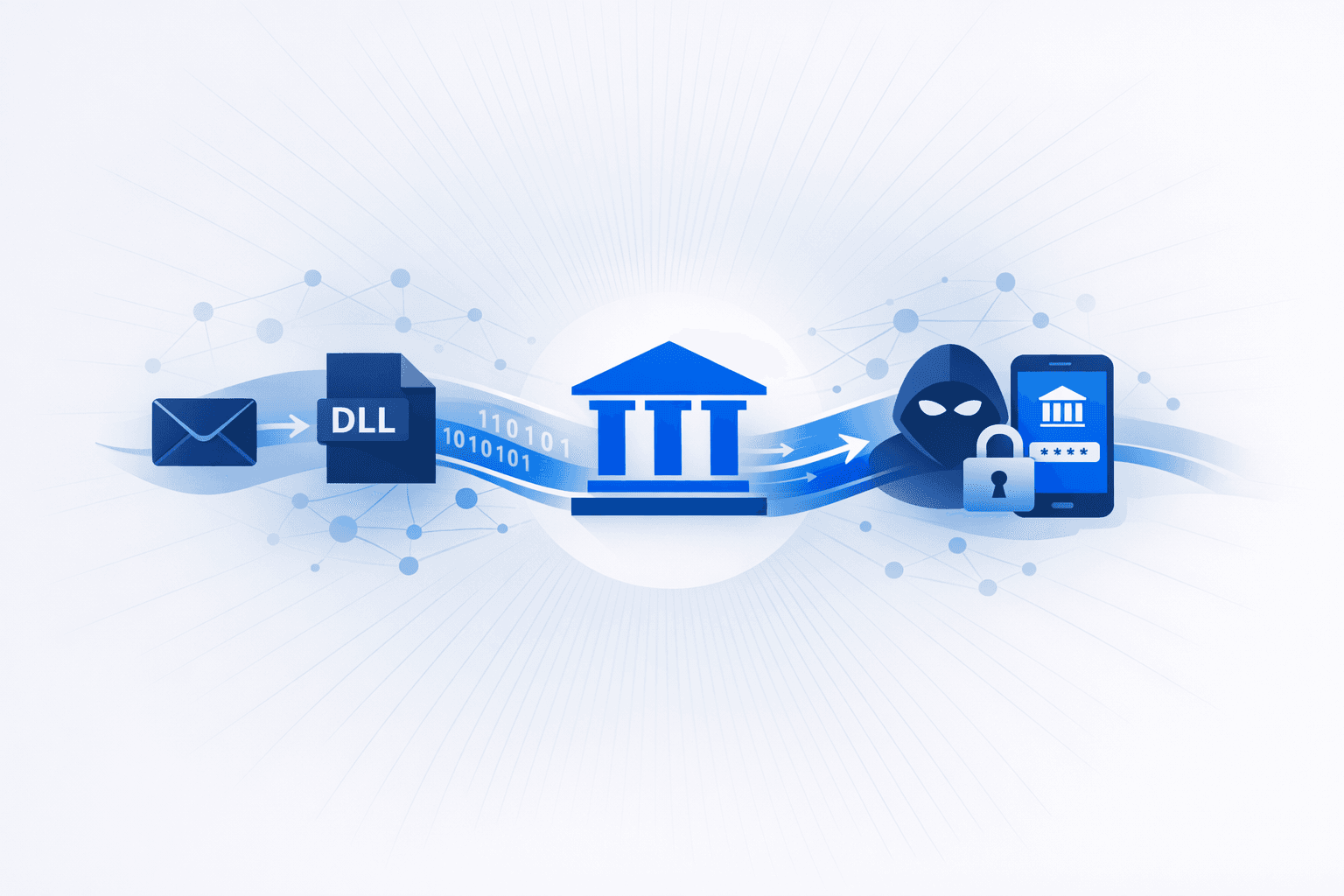
Pull IOCs and campaign context straight into your stack.
7 events from the most recent confirmed update back to the earliest known activity.
Symantec said it first identified the 2021 Brazilian banking trojan activity after detecting suspicious attempts to download a file named mpr.dll in a customer environment on September 30, 2021. Investigation linked the activity to a broader campaign affecting multiple Brazilian organizations.
Symantec reported a campaign active from late August 2021 through early October 2021 that targeted up to 98 organizations in Brazil across sectors including IT, professional services, manufacturing, financial services, and government. The attack chain used malicious URLs, AWS-hosted infrastructure, MSI installers, and a large DLL payload side-loaded via a renamed VBoxTray.exe.
Symantec cited prior ESET reporting that in 2020, 11 banking trojan gangs were operating in Latin America and appeared to cooperate through shared tactics, tools, and procedures. This earlier reporting informed Symantec's later assessment of related activity.
Cisco Talos identified a botnet tied to the actor behind Metamorfo campaigns, with more than 700 compromised systems and more than 4,000 unique BOL Online email accounts created for spam operations. Talos said the oldest compromise it identified dated to Oct. 23.
Talos observed a Bitly link used in one of the Brazilian banking trojan campaigns that was created on Oct. 21 and later received 699 clicks. The link redirected victims to attacker-controlled infrastructure hosting PowerShell content.
Cisco Talos reported two concurrent malware distribution campaigns targeting customers of Brazilian financial institutions. The campaigns ran between late October and early November and used spam emails, ZIP attachments, shortened links, and multi-stage PowerShell infection chains to deliver banking trojans.
Trend Micro described a spam-driven campaign delivering the URSA/Mispadu banking trojan through overdue-invoice lures, ZIP archives, MSI installers, obfuscated VBScript, and an AutoIT loader. The malware targeted Spanish- and Portuguese-language systems and used fake banking overlays plus NirSoft tools to steal credentials.
Vulnerabilities, threat actors, malware, products, organizations, breaches, and observables Mallory has linked to this story. Indicator values are masked here and available in full in the app.
Indicator values are masked on this page. View all 170 in Mallory Domains, IPs, hashes, and URLs are exportable to your SIEM.
Pull the IOCs, campaigns, and victimology behind this family, ready to push into your SIEM and EDR.
3 references tracked. Mallory keeps watching after this page renders.
symantec-enterprise-blogs.security.com
Open sourcetrendmicro.com
Open sourceblog.talosintelligence.com
Open sourceMap indicators from this story to your assets and identify affected systems in minutes.
Every observed campaign, victim, and pivot linked to actors named in this story.
Malware, exploits, and IOCs connected to the activity described here.
YARA, Sigma, and Snort rules deployed to your SIEM as soon as they’re published.
Get matching new stories delivered to your team as they break — not the next morning.
Ask questions about this story and take action on the answers.
Other stories Mallory is tracking that overlap on entities, sources, or topic labels.
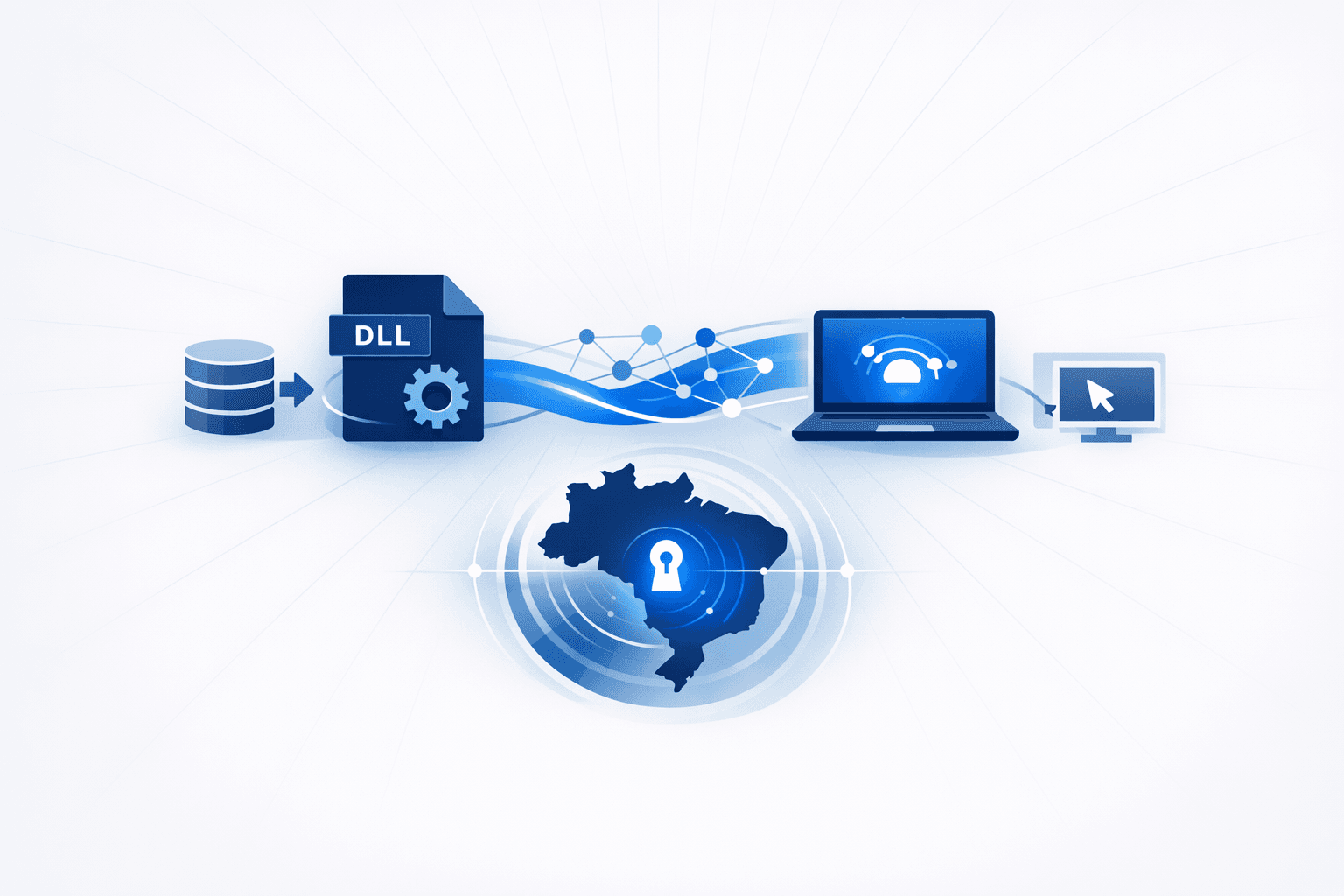
Researchers detailed **Ousaban**, a Brazil-focused banking trojan active since at least 2018 that targets financial institutions and regional email services with credential-theft overlays and phishing-led infection chains. The malware, written in Delphi, has been delivered through MSI installers, JavaScript downloaders, and CAB or ZIP archives, then executed via **DLL side-loading** through legitimate applications. Reporting on Brazilian financial malware also highlighted DLL hijacking and side-loading as a recurring technique in the broader ecosystem of banking threats operating in the region. Beyond credential theft, Ousaban includes backdoor functions such as keylogging and simulated mouse and keyboard actions, enabling operators to interact directly with infected systems. Recent campaigns used multistage components including encrypted injectors, downloaders, configuration files, and a support module that changed RDP and firewall settings and created a new administrative account for follow-on access. The malware stored remote configuration data on public services including **YouTube** and later **Google Docs**, while command-and-control traffic was protected with **AES** encryption over **RealThinClient**; researchers also noted code and operational overlaps with other Latin American banking trojans including **Grandoreiro, Amavaldo, Mispadu, Vadokrist, Mekotio, Casbaneiro,** and **Guildma**.
Aug 14, 2026
The **Bizarro** banking Trojan, long associated with Brazilian cybercrime, expanded its operations to victims in **Spain, Portugal, France, Italy, Germany, Argentina, Chile, and Brazil**, broadening a campaign focused on stealing online banking credentials and enabling fraud. Researchers said the malware was delivered through spam emails that pushed victims to download **MSI installers**, which then retrieved additional payloads from compromised websites, hacked WordPress servers, and cloud-hosted infrastructure on **Azure** and **AWS**. Once installed, Bizarro used heavy obfuscation and a backdoor supporting more than **100 commands** to disrupt browser sessions, capture screens, log keystrokes, and hijack clipboard data. The operators also relied heavily on social engineering, displaying fake banking pop-ups, bogus security-update prompts, and requests for **two-factor authentication** codes, while also using malicious **QR codes** that could redirect victims to Android malware to extend the fraud chain beyond desktop systems.
Aug 14, 2026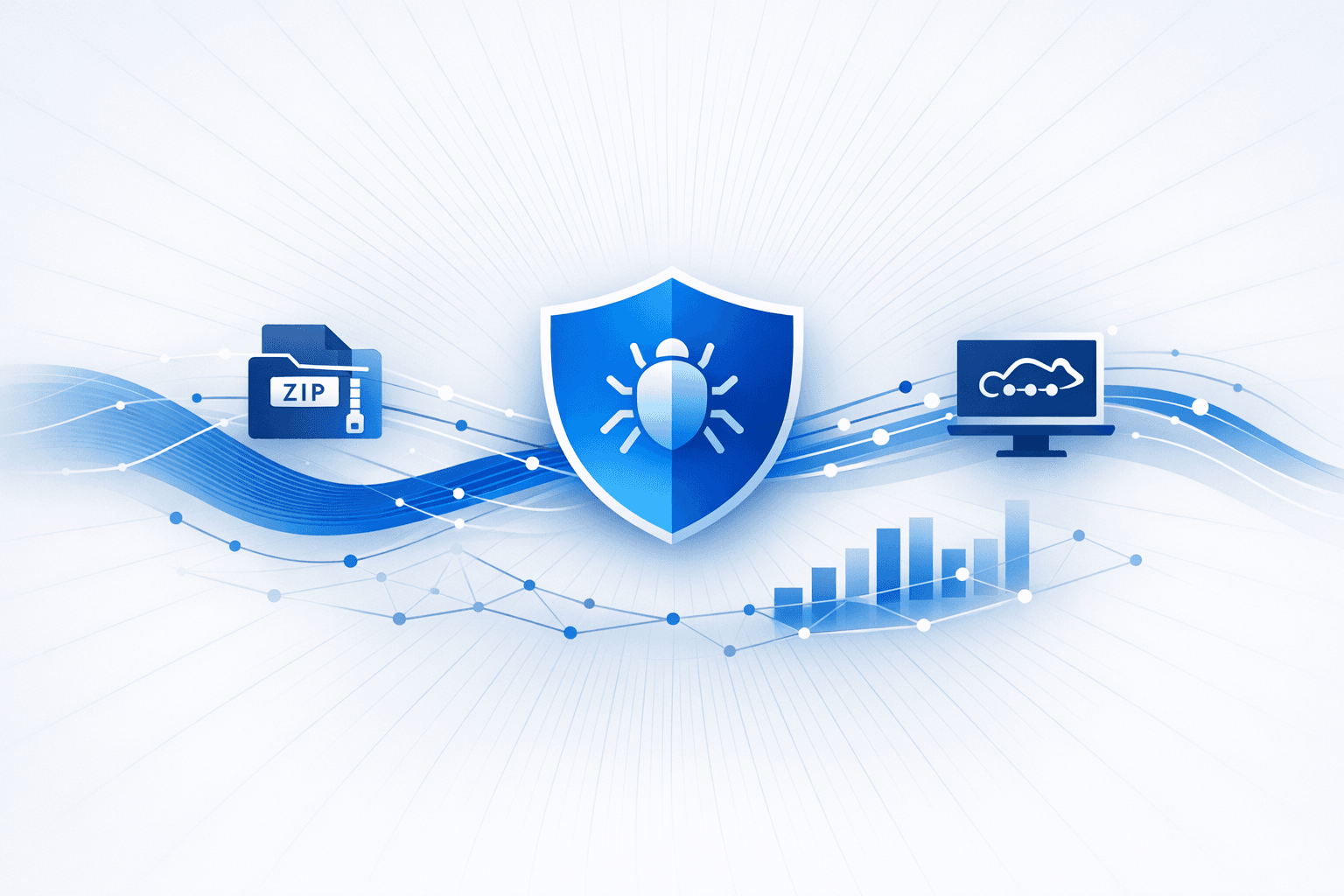
Brazilian banking malware has evolved from basic keyloggers and phishing Trojans into more sophisticated toolsets that use obfuscation, encryption, process injection, browser automation, remote administration, and even ransomware techniques. Researchers said operators adapted quickly to banking defenses such as virtual keyboards, machine fingerprinting, and two-factor authentication by shifting to mouseloggers, hosts-file redirection, Internet Explorer automation, RunPE-style loaders, AutoIt and .NET crypters, and live operator-controlled remote access Trojans, with code quality and operational tradecraft improving markedly over time. One delivery method highlighted in later activity used malformed ZIP archives prefixed with a UTF-8 Byte Order Mark to evade some email scanners and make the files appear corrupted to certain tools while remaining extractable with common utilities. The recovered loader decrypted an embedded DLL from its resources with an XOR-based routine, executed the exported function `BICDAT`, then fetched a second-stage password-protected ZIP that delivered a Banking RAT seen broadly in Brazil and Chile, underscoring how Brazilian cybercriminals combined local banking fraud expertise with increasingly advanced malware packaging and execution chains.
Aug 15, 2026