CMSTAR-Linked Espionage Campaigns Point to a Shared APT Malware Supply Chain
Threat Actor Intelligence · 5 sources · Updated 4mo ago · First seen Oct 2, 2015

Researchers tied multiple government-focused espionage campaigns to a shared malware development and logistics ecosystem built around CMSTAR and related tooling. FireEye’s analysis of 11 APT campaigns found common malware families, overlapping command-and-control infrastructure, reused code-signing certificates, clustered compile times, and distinctive NSIS manifest artifacts, leading to its assessment that a centralized “Sunshop Digital Quartermaster” supplied malware and operational support to otherwise separate intrusion groups. The report linked 110 malware binaries and 54 domains across campaigns that used families such as Trojan.APT.9002, PoisonIvy, and Gh0st, and described a Chinese-language 9002 Builder that further suggested centralized tooling rather than fully independent operators.
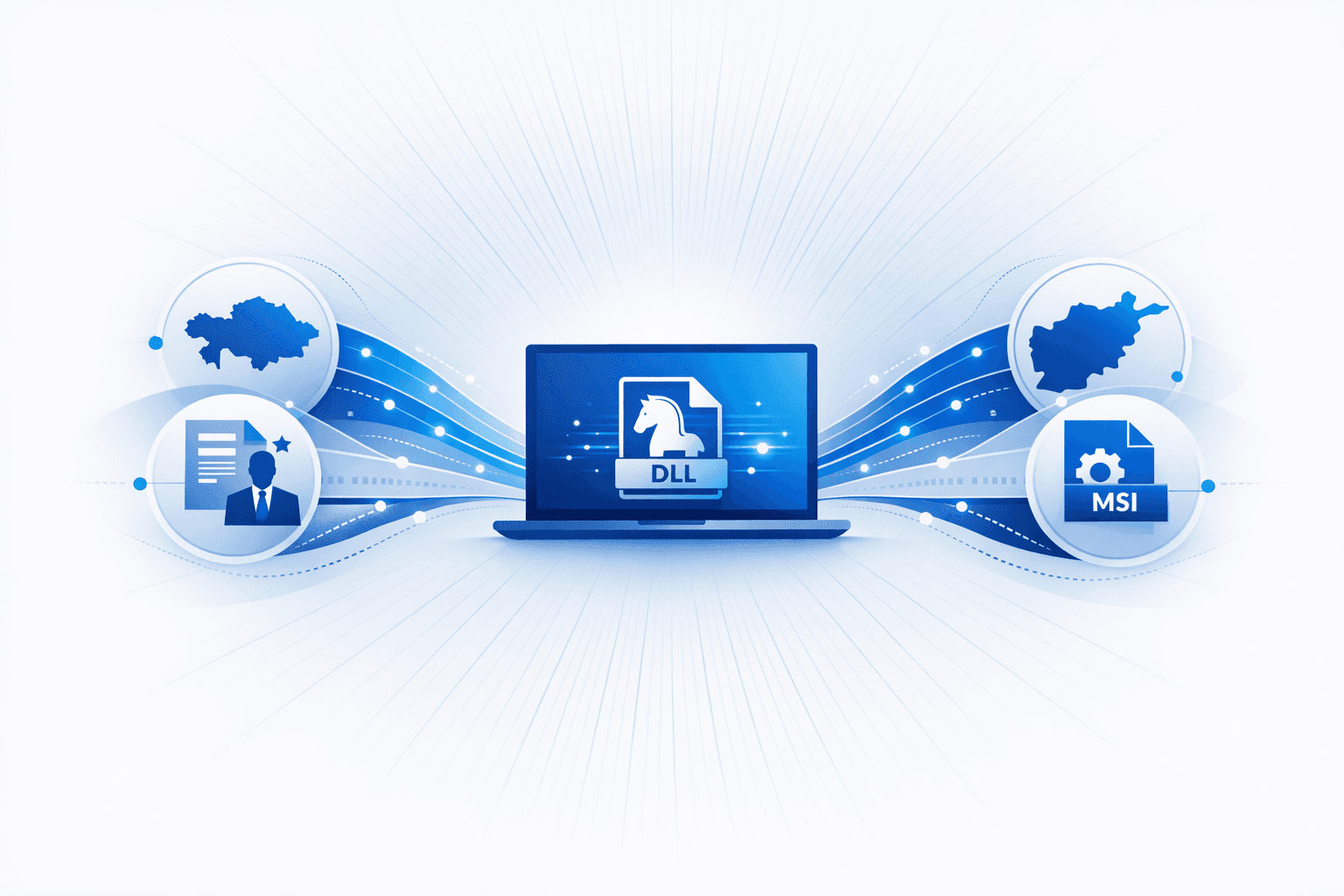
Palo Alto Networks later documented how that model appeared in real-world government targeting. In Mongolia, spear-phishing attacks used politically themed Word documents exploiting CVE-2012-0158 and later CVE-2014-1761 to deploy the Cmstar loader and BBSRAT, with some lures sent from compromised or likely compromised government-associated email accounts and one sample aimed at nearly 2,000 recipients. A separate campaign against Belarusian government entities used Zapad-2017-themed phishing emails, malicious RTF and macro-enabled Word files exploiting CVE-2015-1641, and a disguised SCR file to deliver updated CMSTAR variants alongside newly identified backdoors PYLOT and BYEBY. Across both cases, researchers highlighted shared infrastructure, malware lineage, and tooling overlaps that support the view that multiple espionage operators were drawing from a common malware supply chain.
Why it matters
Impact assessment
This activity primarily affects government organizations and adjacent public-sector entities, with confirmed targeting of Belarusian and Mongolian government ministries and broader historical targeting across 15 industries including federal/state government, telecommunications, financial services, and high-tech. The impact is high for targeted organizations because the malware families involved support persistent espionage, host profiling, remote command execution, file transfer, and service-based persistence, creating risk of data theft, long-term unauthorized access, and operational disruption.
The scope is targeted rather than indiscriminate, but the shared malware supply-chain model increases exposure because multiple intrusion sets appear to draw from the same tooling, infrastructure patterns, and malware lineage. The reporting describes real-world campaigns and successful delivery activity, including phishing sent from compromised or likely compromised government-associated accounts and one Mongolian lure sent to nearly 2,000 recipients, indicating active exploitation in the wild.
Affected entities and sectors
- Belarusian government entities: Ministry of Defense, Ministry of Foreign Affairs, State Border Committee, Ministry of Internal Affairs
- Mongolian government offices and officials
- Additional historical targeting across 15 industries per FireEye, including high-tech, financial services, telecommunications, federal government, and state/local government
Severity and business risk
- Espionage-focused compromise with persistent backdoor access
- Risk of theft of government, diplomatic, defense, and internal affairs information
- Potential for follow-on intrusion activity using shared malware loaders and backdoors
- Reputational and operational impact if compromised official email accounts are used for internal phishing
Scope and observed activity
- Multiple campaigns linked through shared malware development and logistics artifacts
- 11 APT campaigns linked by FireEye to a common “Sunshop Digital Quartermaster” ecosystem
- 110 malware binaries and 54 domains tied to the shared ecosystem
- Confirmed in-the-wild exploitation via spear-phishing and malicious documents exploiting Office vulnerabilities