BitRAT Campaigns Used Bank Data, NFT Lures, and Fake Windows Activators
Malware Intelligence · 5 sources · Updated 3mo ago · First seen Jan 3, 2023
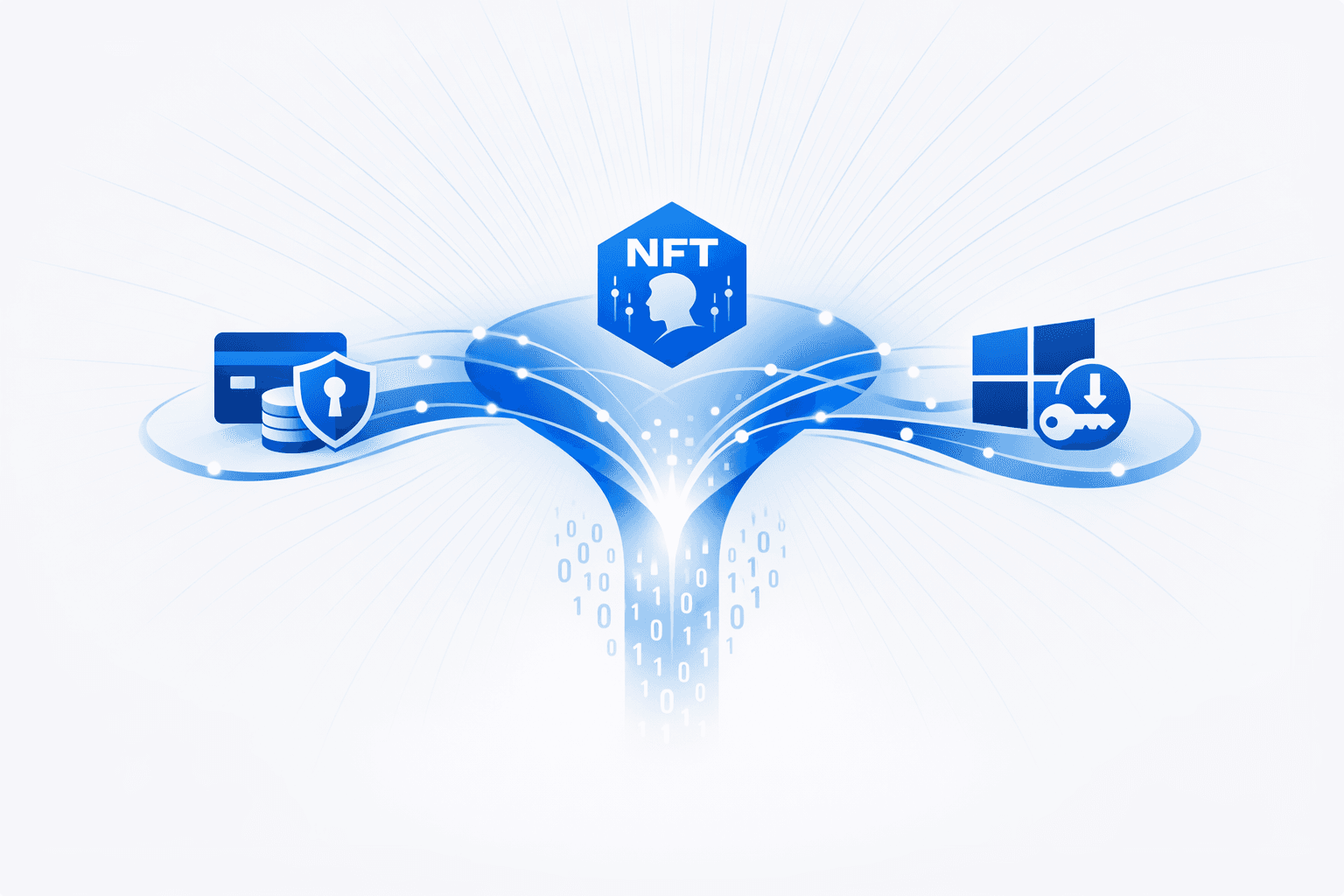
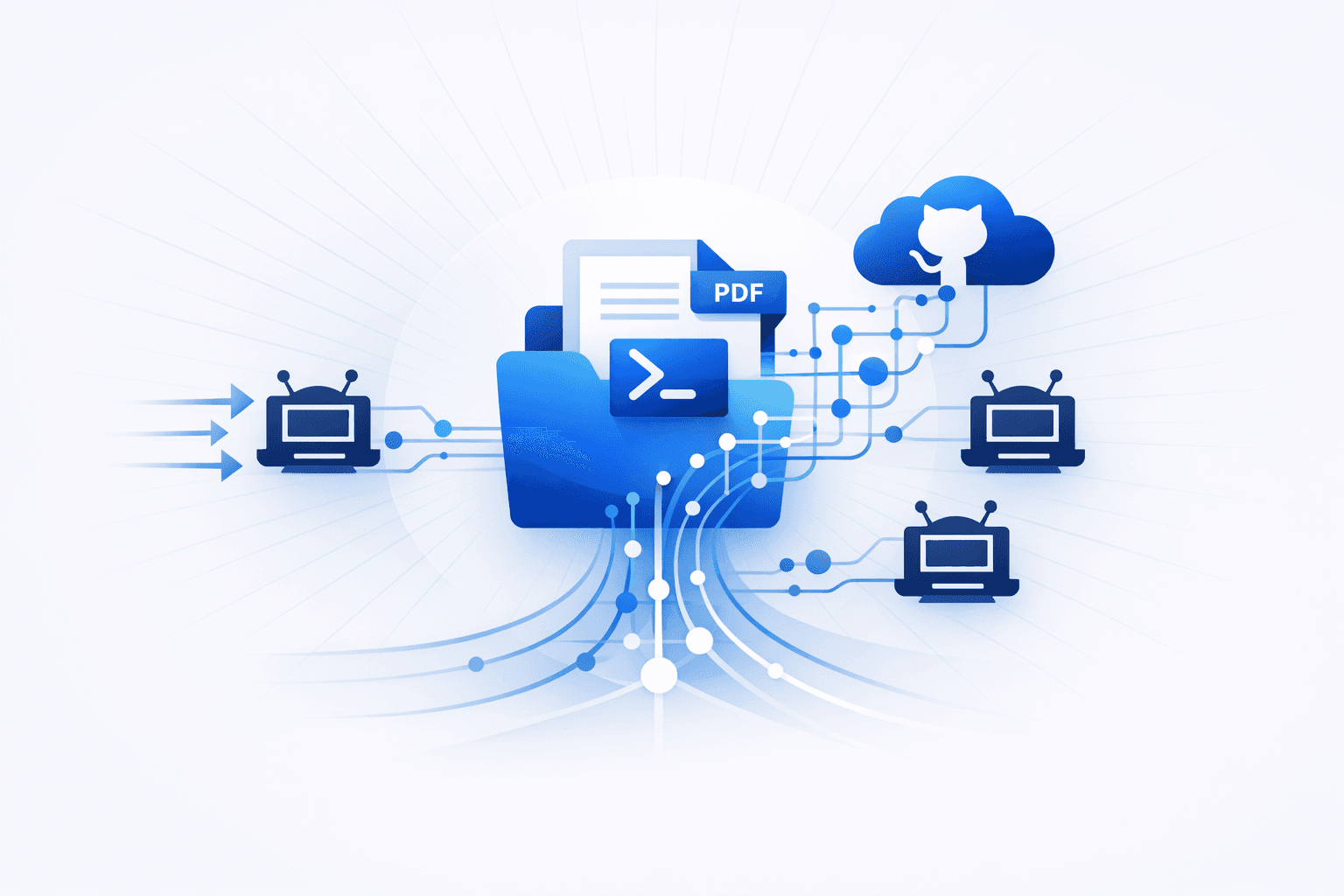
Researchers reported multiple BitRAT distribution campaigns that used highly tailored social-engineering lures to infect Windows users with the commodity remote access trojan. In one campaign, attackers abused a Colombian cooperative bank’s compromised infrastructure and reused stolen customer records in malicious Excel files, indicating a real breach involving roughly 418,777 rows of sensitive data. Qualys said the operators likely exploited SQL injection with sqlmap, then used obfuscated macros, certutil, and rundll32 to stage and launch BitRAT from payloads hosted on a throwaway GitHub repository. Separate reporting showed BitRAT also spread through fake Windows 10 activators shared on South Korean webhards, Discord, and social media, where a bogus activation tool downloaded the malware and attempted to weaken Windows Defender protections.
Fortinet documented another BitRAT campaign that targeted NFT enthusiasts, using Hebrew-language Excel lures and Discord-hosted payloads to deliver the malware through batch scripts, PowerShell, and DLL injection into a copied MSBuild.exe process. Across the campaigns, BitRAT was described as a low-cost malware-as-a-service tool sold on underground forums since 2021, with capabilities including credential theft, keylogging, webcam and microphone access, hidden remote desktop (HVNC), file exfiltration, cryptocurrency mining, DDoS activity, and persistence via startup-folder placement or process injection. The reporting highlights how BitRAT operators increasingly combine stolen data, topical themes, and pirated software bait with legitimate services such as GitHub and Discord to improve infection success.