
Mallory
← Back to News
vendor-distribution-compromiseransomware-group-operationendpoint-security-bypasspersistence-method

Supply Chain Intrusions Abused Kaseya VSA and Desktop Central Agents

Supply Chain Risk · 1 source · Updated 3mo ago · First seen Jul 2, 2021
Supply Chain Intrusions Abused Kaseya VSA and Desktop Central Agents

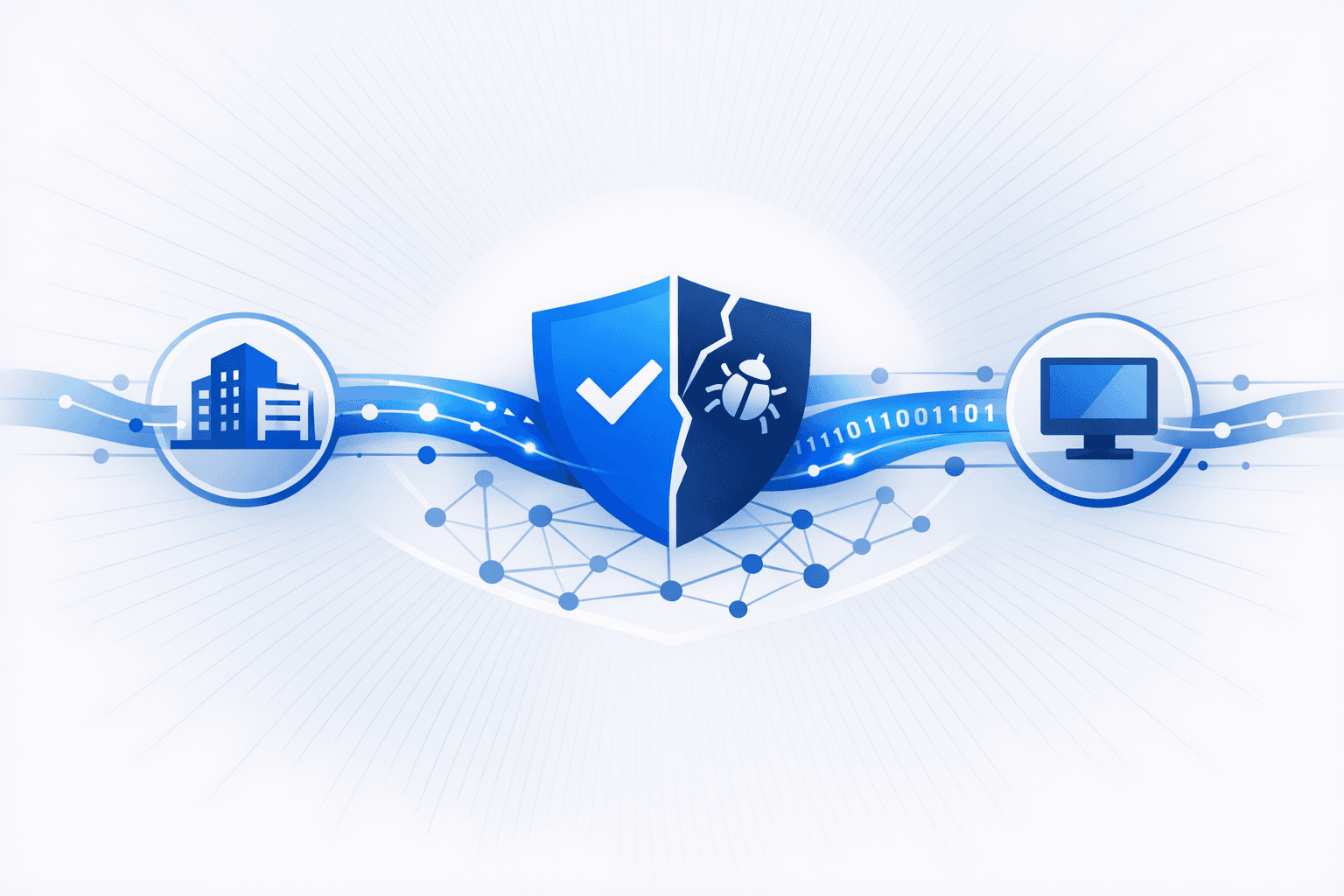
Attackers leveraged trusted remote management software in two separate supply chain intrusions, including a ransomware case tied to Kaseya VSA and a credential-dumping operation delivered through a Desktop Central agent. In the Kaseya-linked incident, the intrusion chain used the Kaseya agent to create and decode malicious payloads, attempted to disable Microsoft Defender protections, and dropped ransomware-related components including agent.exe and MsMpEng.exe.

In the second intrusion, the attackers used the Desktop Central agent to gain footholds, established persistence with scheduled tasks, forwarded traffic with GO Simple Tunnel, and deployed setup0.exe alongside elevateutils.exe, which analysis identified as a Cobalt Strike Beacon Malleable C2 stager communicating with vmware[.]center. Investigators contained the activity through root-cause analysis, IOC hunting, and endpoint isolation, underscoring how centralized management platforms can become high-impact supply chain attack vectors if not closely monitored and hardened.
Does this reach your builds?Trace attribution and downstream blast radius.
Trace the chain
Event timeline

How this story unfolded

Events from the most recent confirmed update back to the earliest known activity.

7 events · Jul 2, 2021
  1. Reported Aug 4, 20215y ago

    MDR team expands IOC blocking and recommends log review

    After identifying affected hosts in the second incident, the MDR team added malicious IP addresses and hashes to a suspicious objects block list. They also recommended reviewing application logon logs for suspicious account use.

    Supply Chain Attacks from a Managed Detection and Response Perspective | Trend Micro (US)
  2. Reported Aug 4, 20215y ago

    Investigation traces second intrusion to Desktop Central agent payload

    Root cause analysis in the second case found that setup0.exe created elevateutils.exe, with the earliest observed setup0.exe located on one affected host. Investigators assessed elevateutils.exe as a Cobalt Strike Beacon Malleable C2 stager communicating with vmware[.]center and concluded the malicious file had been deployed through a Desktop Central agent.

    Supply Chain Attacks from a Managed Detection and Response Perspective | Trend Micro (US)
  3. Reported Aug 4, 20215y ago

    Threat hunting uncovers persistence and tunneling activity

    Threat hunting in the second incident identified suspicious WmiExec behavior and a scheduled task created with schtasks.exe to run powershell.exe C:\Windows\System.exe with network-forwarding arguments. Analysis linked System.exe to GO Simple Tunnel, indicating the attackers had established persistence and traffic-forwarding capability.

    Supply Chain Attacks from a Managed Detection and Response Perspective | Trend Micro (US)
  4. Reported Aug 4, 20215y ago

    Second intrusion detected through credential-dumping alert

    In a separate supply-chain case, investigators began with an alert about credential dumping in an Active Directory environment. Incident aggregation linked a server, an endpoint, and a user to the activity.

    Supply Chain Attacks from a Managed Detection and Response Perspective | Trend Micro (US)
  5. Reported Aug 4, 20215y ago

    Kaseya tells customers to shut down VSA servers

    After the Kaseya-related attack, Kaseya told users to immediately shut down their Virtual System/Server Administrator servers until further notice. This was an official response aimed at containing the supply-chain compromise.

    Supply Chain Attacks from a Managed Detection and Response Perspective | Trend Micro (US)
  6. Reported Aug 4, 20215y ago

    MDR team detects and contains ransomware activity at customer during Kaseya incident

    Trend Micro's MDR team alerted a customer after detecting ransomware activity in its environment during the Kaseya incident. The investigation found malicious use of AgentMon.exe, cmd.exe, certutil-based payload decoding, attempts to disable Windows Defender protections, and ransomware files including agent.exe and MsMpEng.exe; the team advised isolating Kaseya servers.

    Supply Chain Attacks from a Managed Detection and Response Perspective | Trend Micro (US)
  7. Jul 2, 20215y ago

    Kaseya ransomware supply-chain attack begins

    One of the investigated incidents was tied to the Kaseya VSA ransomware incident. Trend Micro states this case was associated with the July 2 Kaseya event, in which attackers abused the Kaseya agent execution chain to deliver ransomware components.

    Supply Chain Attacks from a Managed Detection and Response Perspective | Trend Micro (US)
Linked entities

Related entities

Vulnerabilities, threat actors, malware, products, organizations, breaches, and observables Mallory has linked to this story. Indicator values are masked here and available in full in the app.

Open in app →

Observables

10 linked

Indicator values are masked on this page. View all 10 in Mallory Domains, IPs, hashes, and URLs are exportable to your SIEM.

Do you run this?See attribution and downstream blast radius, and whether this package or vendor reaches your builds.
Trace the Supply Chain
Mallory platform

See the full picture, correlated to your attack surface.

This page covers what’s public. Mallory adds the parts that aren’t: which of your assets are affected, which threat actors are using it right now, and what to deploy next.

Exposure mappingMap indicators from this story to your assets and identify affected systems in minutes.
Threat actor evidenceEvery observed campaign, victim, and pivot linked to actors named in this story.
Associated malwareMalware, exploits, and IOCs connected to the activity described here.
Detection signaturesYARA, Sigma, and Snort rules deployed to your SIEM as soon as they’re published.
Scheduled alertsGet matching new stories delivered to your team as they break, not the next morning.
AI threadsAsk questions about this story and take action on the answers.