Residential Proxy Networks Abused to Conceal Crime and Deliver Malware
Threat Actor Intelligence · 2 sources · Updated 2mo ago · First seen Sep 4, 2026
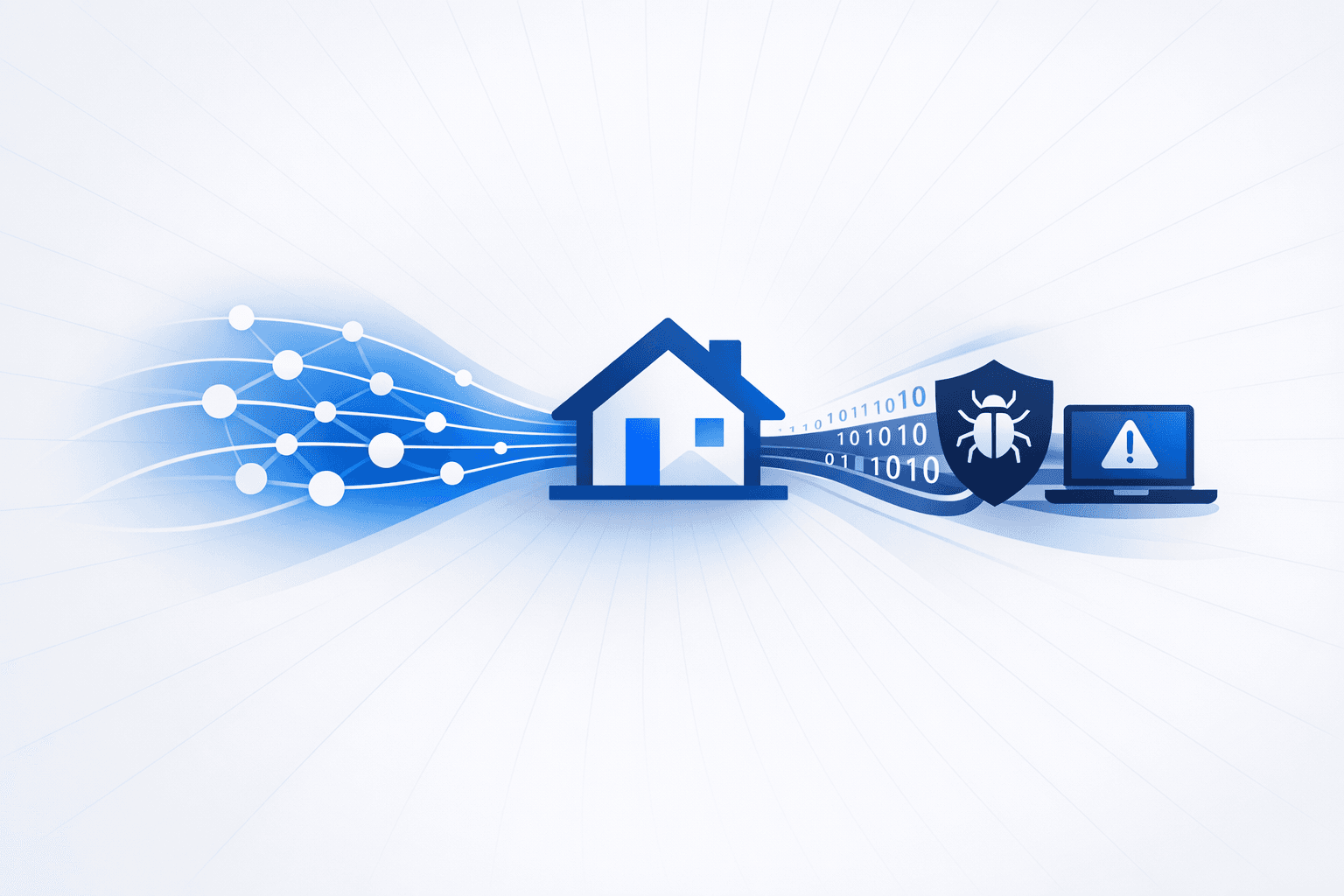
The FBI warned that cybercriminals are abusing residential proxy networks to mask their identities and relay malicious traffic through consumer and small-business internet connections. Devices may join these networks through SDK partnerships and bandwidth-sharing applications, deceptive “free” VPN terms, malware and backdoors, or compromised IoT devices. The proxy infrastructure can obscure command-and-control traffic and support phishing, account takeover, brute-force attacks, data exfiltration, fraud, spam, and illicit-market operations.
A report titled “SuperProxy: How Residential Proxy Networks Have Become Malware Delivery Platforms” also identifies residential proxy services as infrastructure for malware delivery. Organizations should restrict unvetted software and bandwidth-sharing tools, promptly patch systems, segment and monitor networks, enforce device and firewall controls, and report suspected compromise to the FBI’s IC3.