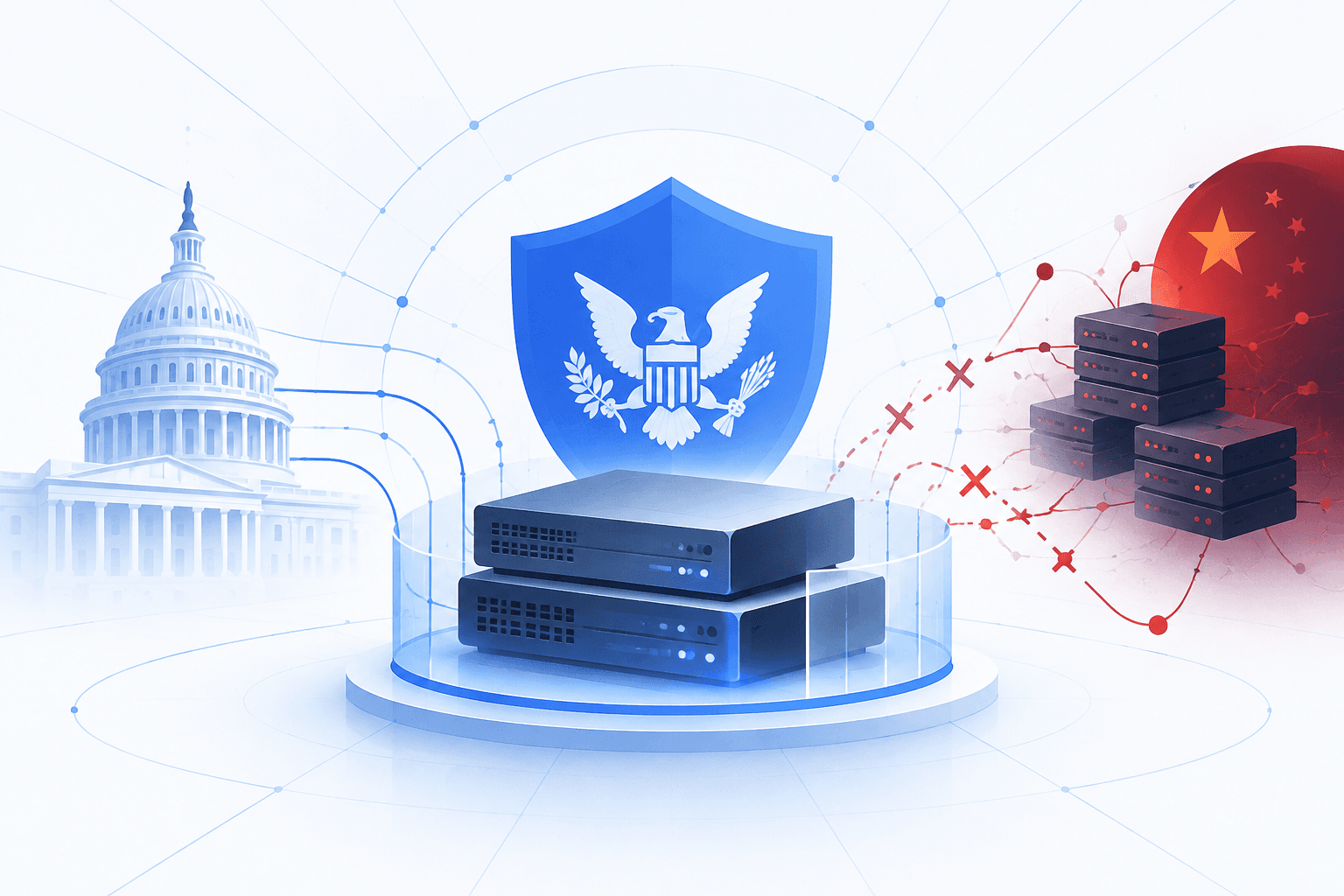
China-Linked QTFY Exploited Check Point Gateways to Breach Critical Infrastructure
Active Exploitation · 4 sources · Updated 3mo ago · First seen Sep 9, 2026

A joint FBI, NSA and U.S. Cyber Command advisory attributed the China-linked QTFY hacking group to Nanjing Xinjiuwei Network Technology Co. (XJW), alleging the group has operated since at least 2018 to develop malware, trade exploits, run an obfuscation botnet, and target U.S. government and critical-infrastructure organizations. U.S. authorities assessed that XJW maintained links to China’s Ministry of State Security through business relationships and personnel networks that include former People’s Liberation Army members.
In a May 2024 campaign, QTFY used its QScan tool to identify U.S. power and telecommunications targets and exploited CVE-2024-24919 in internet-facing Check Point Quantum Gateway appliances. The operation reportedly exfiltrated data from more than 300 organizations globally, including U.S. defense contractors, financial institutions, and universities; operators retained access through remote-access trojans, web shells, and legitimate credentials. Reporting also identifies Bozhi Security Technology/Elextec Cybersecurity and Nanjing Lexbell Information Technology as firms with client, leadership, product, and contract ties suggestive of links to Chinese intelligence, public-security, and military bodies.
Why it matters
Impact assessment
QTFY conducted a high-impact espionage and data-theft campaign against internet-facing Check Point Quantum Gateways, affecting more than 300 organizations globally. The known victim set includes U.S. power and telecommunications organizations, defense contractors, financial institutions, universities, and U.S. government entities, creating material risk of sensitive-data loss, persistent unauthorized access, operational disruption, and follow-on targeting.
- Scope: Global, with explicit U.S. critical-infrastructure and government targeting.
- Known exploitation: Yes. QTFY exploited CVE-2024-24919 during a May 2024 campaign.
- Confirmed reported outcomes: Data exfiltration from more than 300 organizations and post-compromise persistence through remote-access trojans, web shells, and valid credentials.
- Business impact: Compromise of gateway appliances can expose network configuration, VPN and identity material, internal systems, and sensitive operational or business data. Persistence using legitimate accounts increases the likelihood of prolonged covert access even after the initial appliance vulnerability is remediated.
- Threat context: U.S. authorities attribute QTFY to Nanjing Xinjiuwei Network Technology Co. (XJW) and assess links to China’s Ministry of State Security. The group has targeted government and critical-infrastructure networks since at least 2018.
- Current disruption context: U.S. court-authorized seizure of hard-coded QScan and QTRouter domains reportedly rendered those platforms inoperable. Public reporting does not establish the duration of the disruption, the number of affected downstream operations, or whether customers migrated to replacement infrastructure.