Mallory
← Back to News
ai-platform-securityidentity-authentication-vulnerabilitycloud-service-vulnerabilitycredential-access-method

AWS AgentCore Harness Prompt Injection Can Expose Identity Credentials

Emerging Technology Risk · 2 sources · Updated 2mo ago · First seen Jun 10, 2026
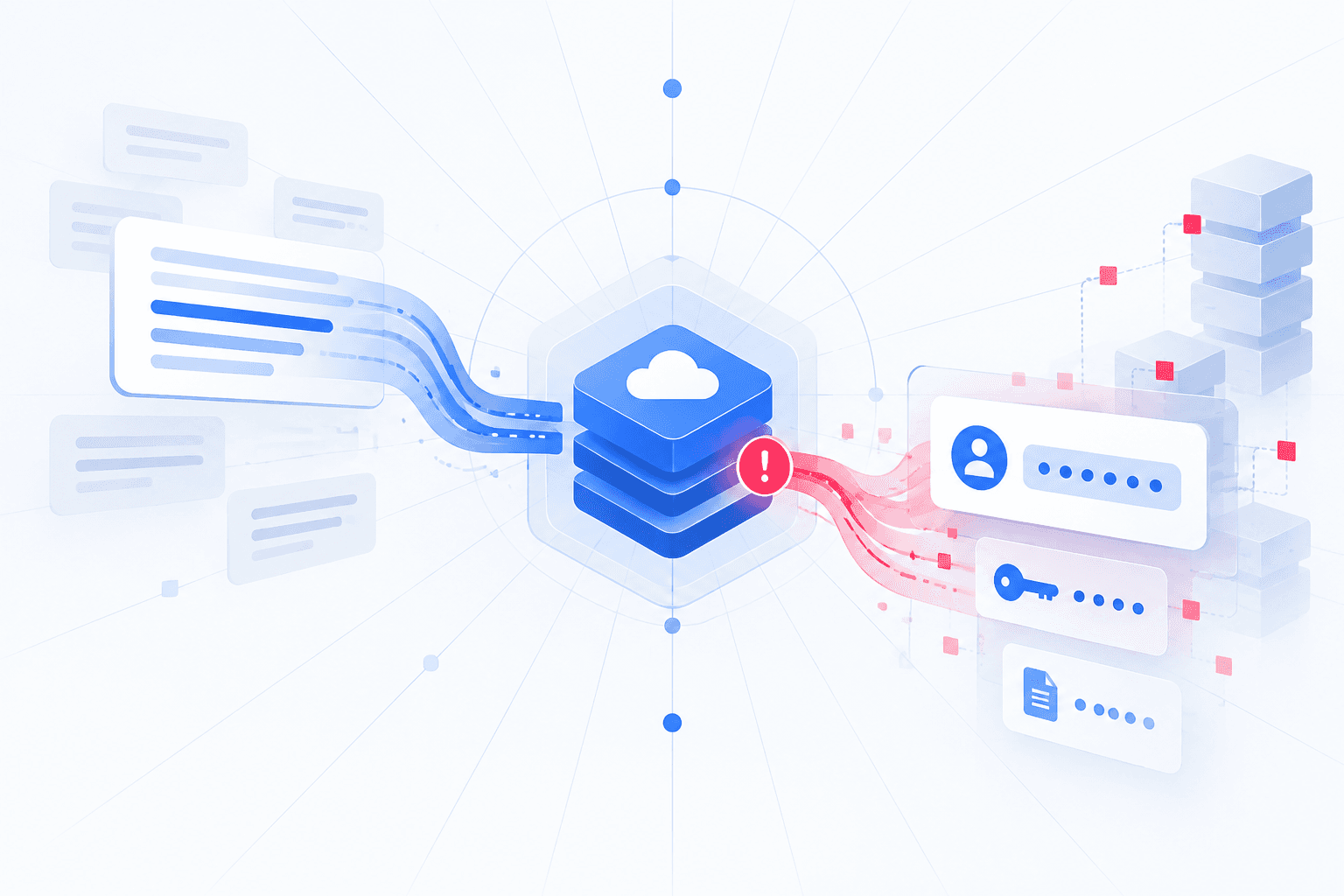
AWS AgentCore Harness Prompt Injection Can Expose Identity Credentials

Unit 42 found that AWS AgentCore Harness’s default-enabled shell and file_operations tools can let an indirect prompt injection achieve arbitrary command execution inside an agent runtime. In testing, the shell ran as root and read memory from the root-owned harness runtime, exposing a plaintext Amazon Cognito JWT that AgentCore Identity had resolved for a simulated MCP service account; researchers replayed the token remotely to access simulated customer PII.

AWS classified the May 2026 report as informative under its shared-responsibility model, pointing to customer-managed controls including allowedTools scoping and egress filtering. Organizations using AgentCore Harness should restrict permitted tools for each invocation, apply least privilege to Identity-vault service accounts, and monitor outbound network traffic from harness containers for credential exfiltration or token replay activity.

Why it matters

Impact assessment

AWS AgentCore Harness deployments that process untrusted content are exposed to credential theft and downstream data access when shell or file_operations remain enabled and the runtime permits shared-process memory access. A successful indirect prompt injection can produce arbitrary command execution as root, steal plaintext credentials resolved at runtime, and replay those credentials outside AWS to access connected services and their data.

  • Affected population: Organizations using AWS AgentCore Harness, especially agents that ingest support tickets, documents, web content, or other attacker-influenced inputs and invoke downstream services through AgentCore Identity.
  • Business impact: Exposure includes unauthorized access to downstream APIs, customer PII, service operations, and ticketing or workflow systems. Stolen service-account tokens may enable actions beyond the permissions of the user who invoked the harness.
  • Scope: This is a configuration and privilege-boundary risk rather than an AWS-confirmed product vulnerability. Exploitation requires prompt injection delivery, access to a privileged tool, readable target-process memory, a usable in-memory credential, and outbound network access.
  • Demonstrated impact: Unit 42 exfiltrated an Amazon Cognito JWT and a simulated MCP server URL, replayed the token remotely without AWS credentials, retrieved simulated customer PII through lookup_customer, and created a ticket.
  • Exploitation status: A controlled research demonstration was published. The supplied sources do not report exploitation in the wild.
  • AWS disposition: AWS closed HackerOne report #3747844 as informative on June 10, 2026, citing the shared-responsibility model and customer-controlled tool scoping and egress filtering.
New surface, new adversariesTrack how attackers are adapting to this technology.
Track this risk
Event timeline

How this story unfolded

Events from the most recent confirmed update back to the earliest known activity.

3 events · May 19, 2026 – Jun 10, 2026
  1. Jun 10, 20266mo ago

    AWS merges and closes AgentCore Harness report as informative

    AWS merged report #3747844 with earlier report #3737800 and closed it as informative under the AgentCore shared-responsibility model. AWS identified allowedTools scoping and egress filtering as customer-side controls.

    A Vault with a Heap-View: The Uncomfortable Space Between AgentCore Harness and Identity
  2. Jun 8, 20266mo ago

    AWS requests reproduction and scope clarification

    AWS requested additional reproduction and scope clarification for Unit 42's AgentCore Harness report.

    A Vault with a Heap-View: The Uncomfortable Space Between AgentCore Harness and Identity
  3. May 19, 20266mo ago

    Unit 42 reports AgentCore Harness credential-exfiltration risk to AWS

    Unit 42 reported a prompt-injection-driven credential-exfiltration risk in default AWS AgentCore Harness deployments to AWS Security through HackerOne as report #3747844.

    A Vault with a Heap-View: The Uncomfortable Space Between AgentCore Harness and Identity
Linked entities

Related entities

Vulnerabilities, threat actors, malware, products, organizations, breaches, and observables Mallory has linked to this story. Indicator values are masked here and available in full in the app.

Open in app →

Affected products

1 linked
Amazon Bedrock Agentcore Harness

Organizations

1 linked
Amazon Web Services

Observables

1 linked

Indicator values are masked on this page. See the values in Mallory Domains, IPs, hashes, and URLs are exportable to your SIEM.

Do you run this?Follow how adversaries are adapting to this technology, and where it touches your stack today.
Track This Risk
Mallory platform

See the full picture, correlated to your attack surface.

This page covers what’s public. Mallory adds the parts that aren’t: which of your assets are affected, which threat actors are using it right now, and what to deploy next.

Exposure mappingMap indicators from this story to your assets and identify affected systems in minutes.
Threat actor evidenceEvery observed campaign, victim, and pivot linked to actors named in this story.
Associated malwareMalware, exploits, and IOCs connected to the activity described here.
Detection signaturesYARA, Sigma, and Snort rules deployed to your SIEM as soon as they’re published.
Scheduled alertsGet matching new stories delivered to your team as they break, not the next morning.
AI threadsAsk questions about this story and take action on the answers.