
Loading story…
Larva-25012 has resumed a proxyjacking campaign that abuses DPLoader infections already present on compromised Windows systems, with numerous victims reported in South Korea. The loader profiles hosts, communicates with command-and-control infrastructure, executes PowerShell-delivered payloads, and creates Windows Scheduled Tasks for persistence before installing proxyware from DigitalPulse, SOAX, Appsalt, and IPRoyal. These tools monetize victims’ internet bandwidth without their consent.
The operators disguise executables, DLLs, installation paths, and scheduled-task names as legitimate Windows or Microsoft components. DPLoader retrieves payloads from Cloudflare R2 and CloudFront-hosted URLs, reports data to an AWS Lambda endpoint, and was observed disabling Microsoft Defender in DigitalPulse deployments. Organizations should investigate existing DPLoader infections, review suspicious scheduled tasks and PowerShell activity, and block the campaign’s identified hosting and C2 indicators.
Pull IOCs and campaign context straight into your stack.
5 events from the most recent confirmed update back to the earliest known activity.
AhnLab ASEC published a technical analysis documenting the DPLoader-enabled proxyjacking campaign, including payload infrastructure, persistence tasks, file paths, command-and-control endpoints, and file-hash indicators.
The resumed campaign used PowerShell-delivered installers to deploy multiple proxyware services, with loaders supplying attacker-controlled SDK tokens. The payloads used masquerading filenames and scheduled tasks for persistence; the DigitalPulse installer also attempted to disable Microsoft Defender.
In the second half of 2026, Larva-25012 resumed active proxyware distribution, primarily abusing DPLoader instances already installed on compromised systems. The activity targeted numerous systems in South Korea and used DPLoader to collect host data, maintain scheduled-task persistence, receive C2 commands, and run PowerShell installers.
The group distributed proxyware through pages offering illegal software cracks, extending its use of deceptive delivery channels.
Larva-25012 was active in distributing proxyware from at least 2025, initially using deceptive channels including pop-up advertisements on free YouTube-download sites and a GitHub repository posing as a Steam cleanup tool.
Vulnerabilities, threat actors, malware, products, organizations, breaches, and observables Mallory has linked to this story. Indicator values are masked here and available in full in the app.
Indicator values are masked on this page. View all 11 in Mallory Domains, IPs, hashes, and URLs are exportable to your SIEM.
Pull the IOCs, campaigns, and victimology behind this family, ready to push into your SIEM and EDR.
2 references tracked. Mallory keeps watching after this page renders.
cyberveille.ch
Open sourceasec.ahnlab.com
Open sourceMap indicators from this story to your assets and identify affected systems in minutes.
Every observed campaign, victim, and pivot linked to actors named in this story.
Malware, exploits, and IOCs connected to the activity described here.
YARA, Sigma, and Snort rules deployed to your SIEM as soon as they’re published.
Get matching new stories delivered to your team as they break — not the next morning.
Ask questions about this story and take action on the answers.
Other stories Mallory is tracking that overlap on entities, sources, or topic labels.
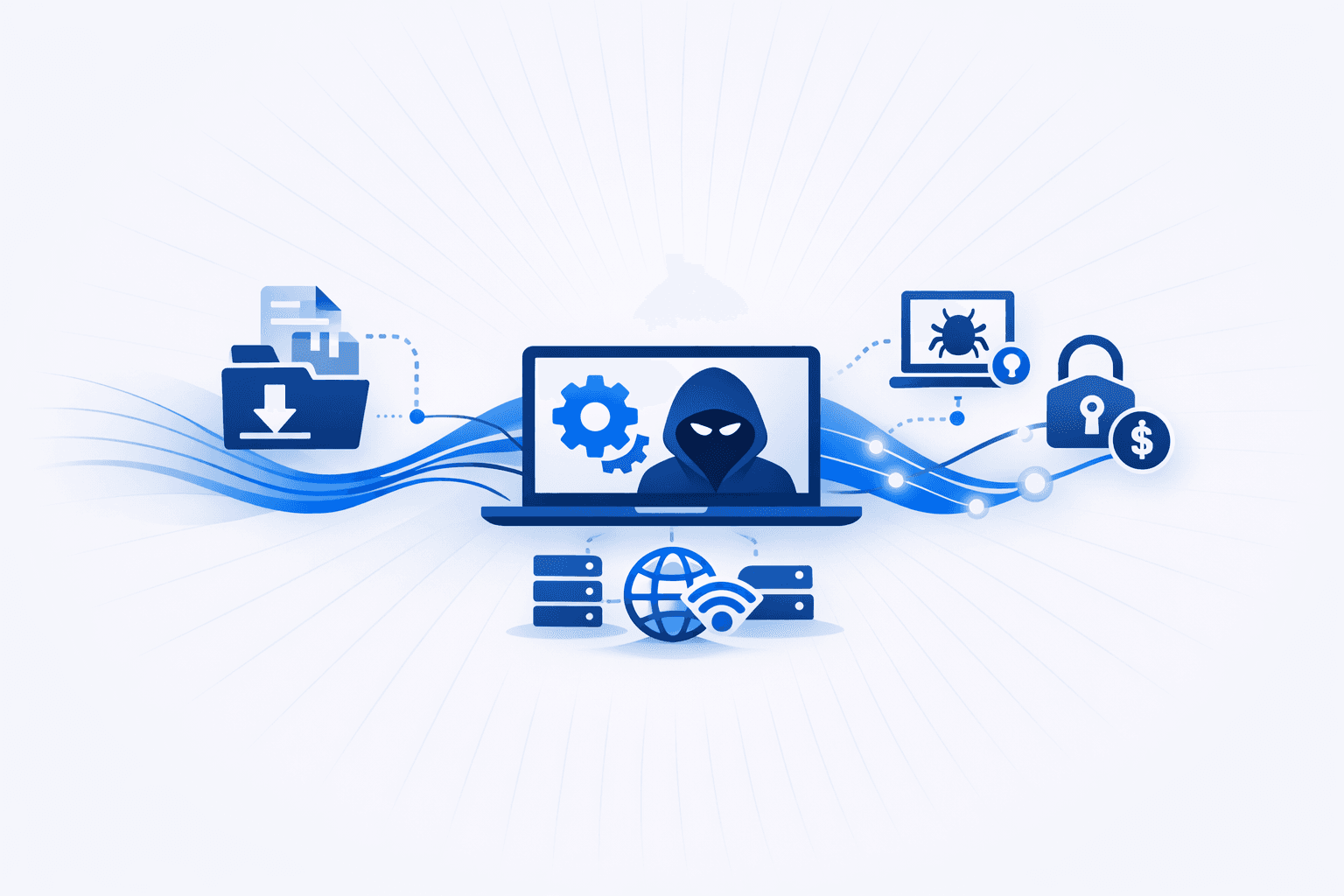
Multiple active malware campaigns are using **social engineering** and **trojanized content** to compromise Windows systems, with lures ranging from pirated software downloads to business and shipping documents. AhnLab reported a “proxyjacking” operation attributed to **Larva-25012** that distributes fake installers (notably a trojanized *Notepad++* package) via cracked-software sites; the `Setup.zip` bundle includes a legitimate `Setup.exe` plus a malicious sideloaded DLL (`TextShaping.dll`) that decrypts and installs **DPLoader** for persistent command retrieval and follow-on payload delivery. The malware also tampers with defenses by changing Microsoft Defender settings (e.g., exclusions, reduced notifications, and blocking sample submission) to reduce detection while monetizing victims’ bandwidth through installed **proxyware**. Separately, FortiGuard Labs described a Russia-focused, multi-stage intrusion chain that abuses trusted services (**GitHub** and **Dropbox**) for payload hosting and weaponizes **Defendnot** (a Windows Security Center trust-model research tool) to disable **Microsoft Defender** before deploying a ransomware payload. Fortinet also documented phishing campaigns using weaponized shipping-themed Word documents to deliver **Remcos RAT**, including fileless execution behavior and exploitation of `CVE-2017-11882` (Microsoft Equation Editor) via remotely fetched templates. These campaigns reinforce the operational risk from user-driven execution paths (pirated installers and document lures), “living off the land” techniques, and defense evasion through both policy tampering and security tooling abuse.
Jun 29, 2026
Researchers linked **PrivateLoader** to a long-running pay-per-install malware ecosystem that used SEO-poisoned sites and cracked-software lures to infect Windows users with password-protected ZIP archives and NSIS installers. The loader was repeatedly observed delivering a wide range of payloads, including **RedLine**, **Vidar**, **SmokeLoader**, **RisePro**, **Qbot**, **Dridex**, **DanaBot**, **TrickBot**, **Kronos**, **LockBit**, **STOP Djvu**, and **Conti**, while related tooling such as **Discoloader** and the Go-based **Anubis Loader** expanded the same distribution chain. Investigations described administration panels used to manage payload links, browser extensions, bot installs, and operator activity, with one panel reportedly overseeing about **20,000 bots** and collecting more than **11 GB** of stealer logs in less than two weeks. Separate reporting showed PrivateLoader also acting as an access broker for other criminal and state-linked operations. Analysts observed it distributing **ColibriLoader** in a campaign tied to **UAC-0113**, a group CERT-UA has associated with **Sandworm**, and later delivering **Socks5Systemz**, a proxy botnet that converted infected Windows hosts into rentable proxies. Bitsight estimated Socks5Systemz had about **10,000 infected systems** and at least **53 servers** supporting command-and-control, telemetry, DNS, and backconnect functions, with customers buying proxy access through a Telegram-linked service for cryptocurrency. Across the reporting, PrivateLoader emerged as a versatile initial-access platform connecting commodity stealers, banking trojans, ransomware, proxy monetization, and higher-end intrusion activity.
Aug 15, 2026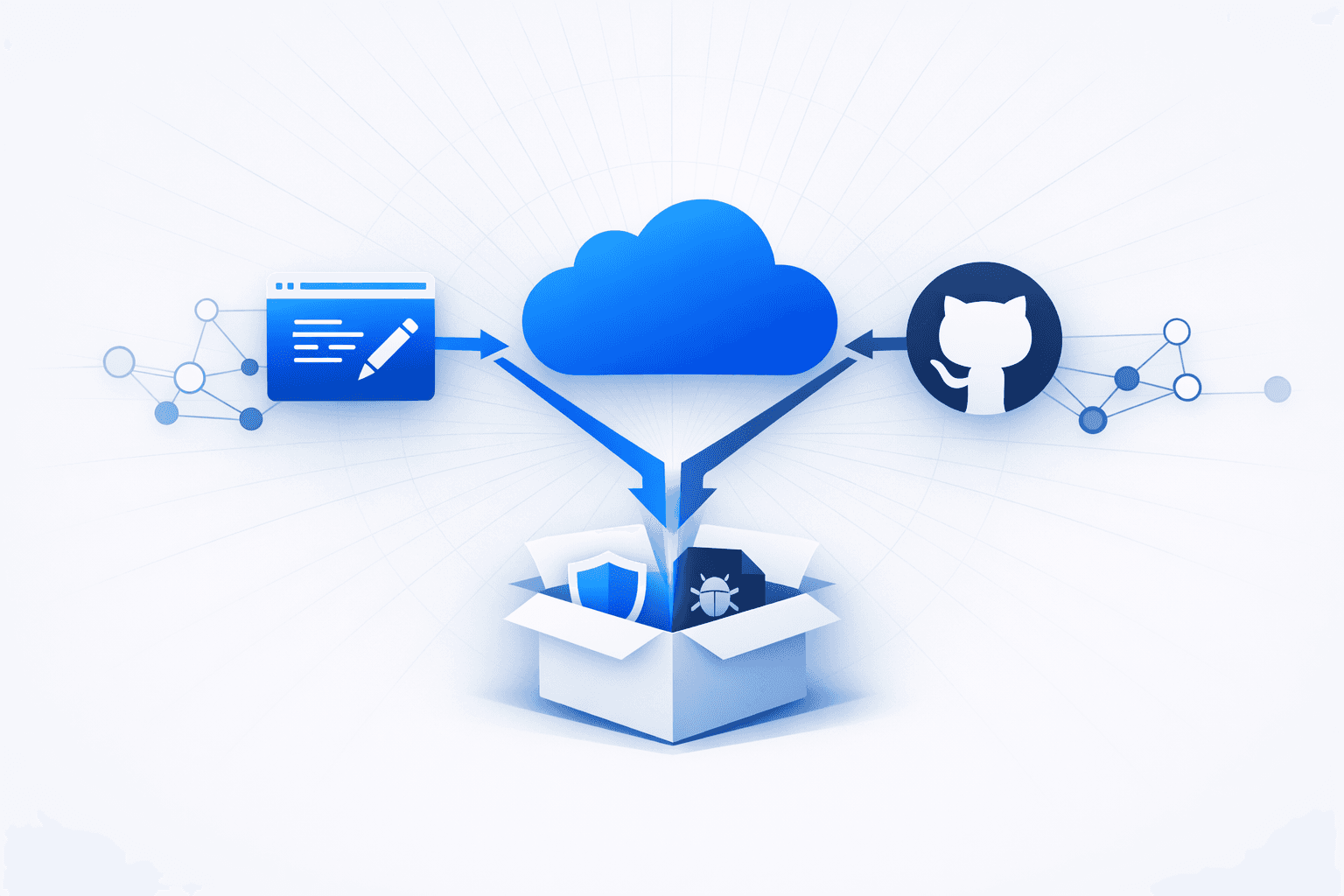
Multiple Windows-focused malware campaigns were reported leveraging *trusted distribution and execution paths* rather than exploiting software vulnerabilities. One campaign attributed to **Larva-25012** disguised proxyware as legitimate *Notepad++* installers distributed via fake cracked-software portals and deceptive ads, primarily impacting South Korea. The payloads were hosted on GitHub and delivered as MSI/ZIP packages containing legitimate components plus malicious DLLs, using **DLL side-loading** and process injection into **Windows Explorer** to deploy proxyware (e.g., **Infatica** and **DigitalPulse**) for **proxyjacking**—monetizing victims’ internet bandwidth by reselling access through their networks. A separate multi-stage Windows malware operation used business-themed lures and weaponized archives containing **LNK** shortcuts to run hidden **PowerShell** with execution-policy bypass, pulling an obfuscated loader from GitHub and using legitimate services (e.g., **Dropbox**) to blend into normal traffic. Fortinet-reported tradecraft included persistence, decoy document generation, and beaconing via the **Telegram Bot API**, followed by defense evasion through abuse of **Defendnot** to disable Microsoft Defender before dropping follow-on payloads such as ransomware, banking trojans, and surveillance tooling. Additional reporting highlighted a broader trend of attackers abusing legitimate infrastructure and admin tooling (including **RMM** software after credential theft) to establish persistent access, while generic “common threats” content provided no incident-specific intelligence.
Jun 29, 2026