Vercel Confirms KVM Zero-Day VM Escape and Awards Researcher $50,000
Vulnerability Disclosure · 5 sources · Updated 2mo ago · First seen Oct 4, 2026

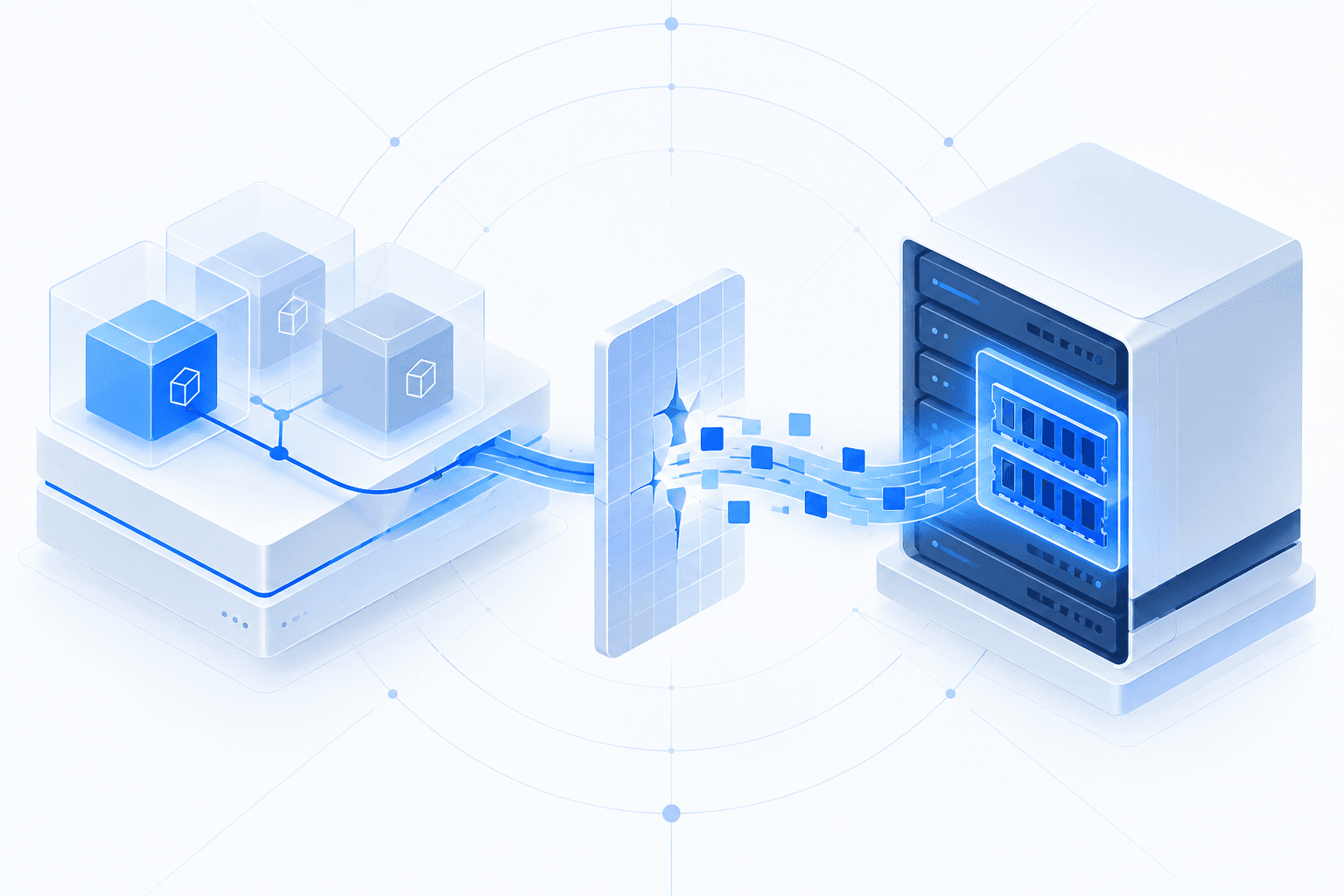
Vercel confirmed a KVM zero-day after security researcher Paulos Yibelo reported a full virtual machine escape through its Vercel Sandbox bug bounty program. Yibelo said code running inside a guest could obtain root access on the host, and Vercel awarded him its maximum single-report bounty of $50,000. Vercel Sandbox runs untrusted workloads, including AI-agent code, in Firecracker microVMs on bare-metal Amazon EC2 hosts; the reported escape crosses the service’s primary isolation boundary.
The exploit chain, affected versions, prerequisites, CVE identifier, and patch status remain undisclosed, limiting independent assessment of exposure and remediation requirements. Vercel CEO Guillermo Rauch said a technical write-up would follow. The available statements do not establish customer data theft, widespread exploitation, or exposure across all KVM deployments. Security teams using Vercel Sandbox should monitor Vercel’s advisories for affected configurations and remediation guidance rather than assume the finding applies to every KVM environment.
Why it matters
Impact assessment
Vercel confirmed a KVM zero-day report after researcher Paulos Yibelo claimed a guest-to-host escape yielding host root access, threatening the primary isolation boundary protecting Vercel Sandbox workloads, including AI-agent code. Successful exploitation could compromise host-resident data and neighboring workloads, but the supplied reporting establishes neither customer data theft nor malicious exploitation in the wild.
- Directly relevant population: Vercel Sandbox customers running untrusted code in Firecracker microVMs on bare-metal Amazon EC2 hosts.
- Potential severity: Host root access could enable data access or modification, workload tampering, and operational disruption; remediation could require host maintenance or workload migration.
- Exposure scope: Affected deployments remain unidentified. KVM use by AWS, Google, Nutanix, HPE, and Proxmox does not establish that those providers or products are vulnerable.
- Evidence boundary: Vercel's $50,000 bounty confirms acceptance of the report, not actual cross-customer compromise. The publicly described host-root outcome comes from the researcher.