
Loading story…
EvilTokens, a criminal online service reported to have begun operating in 2026, facilitates device-code phishing against Microsoft 365 users. Victims are deceived into believing they are completing a legitimate Microsoft sign-in, allowing attackers to take over their accounts. The service supports customized messages, fake login-code generation, and automated attacker actions after account access is obtained, streamlining both phishing delivery and post-compromise activity.
The threat highlights that a legitimate Microsoft sign-in page does not guarantee that the underlying authorization request is trustworthy. Organizations should restrict device-code authentication where it is unnecessary, review authentication logs for unexpected device-code activity, and train users not to enter codes supplied through unsolicited messages. When compromise is suspected, responders should revoke affected sessions and tokens, investigate account activity, and check for persistence or unauthorized access to Microsoft 365 data.
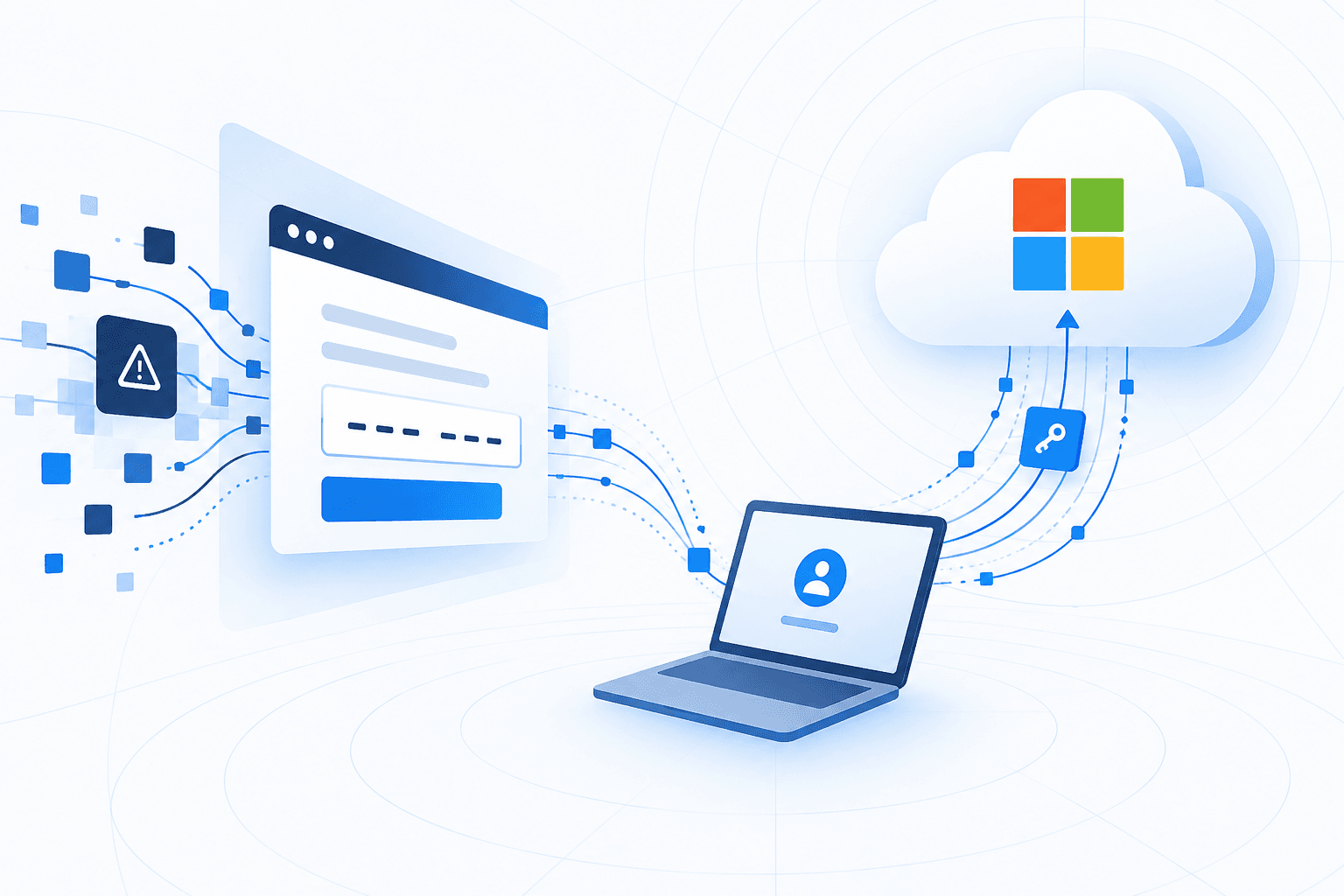
Get the infrastructure and lures behind it.
1 event from the most recent confirmed update back to the earliest known activity.
EvilTokens began operating as a criminal online service facilitating device-code phishing against Microsoft 365 users. The service supports customized phishing messages, fake login-code generation, and automated attacker actions after account access is obtained.
Vulnerabilities, threat actors, malware, products, organizations, and breaches Mallory has linked to this story.
Get the infrastructure, lures, and IOCs behind this campaign, ready to push into your email and identity stack.
2 references tracked. Mallory keeps watching after this page renders.
Map indicators from this story to your assets and identify affected systems in minutes.
Every observed campaign, victim, and pivot linked to actors named in this story.
Malware, exploits, and IOCs connected to the activity described here.
YARA, Sigma, and Snort rules deployed to your SIEM as soon as they’re published.
Get matching new stories delivered to your team as they break — not the next morning.
Ask questions about this story and take action on the answers.
Other stories Mallory is tracking that overlap on entities, sources, or topic labels.
Researchers identified **EvilTokens** as a new phishing-as-a-service platform built to hijack **Microsoft 365** accounts by abusing Microsoft’s legitimate OAuth 2.0 **device code** authentication flow. Sold and operated through Telegram bots, the service gives affiliates phishing templates, email harvesting and reconnaissance features, automated Microsoft API interactions, webmail access, and mailbox triage capabilities. Victims are lured into entering attacker-supplied device codes on Microsoft’s real login page, allowing attackers to capture access and refresh tokens—and in some cases a **Primary Refresh Token**—without stealing passwords or directly defeating MFA. Security teams linked a sharp rise in device code phishing to EvilTokens, describing it as the first known turnkey PhaaS offering dedicated Microsoft device code phishing pages and warning that it lowers the barrier for low-skill operators. More than **1,000 phishing domains** were observed by late March, with campaigns affecting organizations worldwide and notable activity in the United States, Australia, Canada, France, India, Switzerland, and the United Arab Emirates; finance, HR, and transportation/logistics staff were highlighted as frequent targets. Researchers from Sekoia and Mnemonic urged defenders to disable or restrict unnecessary device code flows in **Microsoft Entra ID**, monitor device code grant sign-ins for anomalies, train users on device authentication abuse, and revoke refresh tokens when compromise is suspected.
Jul 22, 2026
Researchers reported that the **EvilTokens** phishing-as-a-service platform is being used to steal Microsoft 365 access tokens through OAuth **device code phishing**, with one campaign abusing free **Notion** accounts and malicious PDFs to lure victims. In the activity tracked as **Doubloon Dredger**, attackers sent legitimate-looking Notion document-sharing notifications from compromised accounts impersonating senior executives, then redirected targets to phishing pages disguised as Adobe Acrobat authentication prompts. Victims were instructed to enter a verification code on Microsoft’s legitimate sign-in or device code page, allowing Microsoft to issue authorization tokens directly to the attackers without requiring password theft. The operation has targeted organizations in manufacturing, telecommunications, retail, healthcare, and logistics, and researchers said EvilTokens has been active since at least February 2026 and is marketed largely through Telegram. Flare said the platform goes beyond session theft by analyzing compromised mailboxes, using AI to summarize content and identify likely fraud opportunities, and helping operators craft tailored business email compromise messages based on real payment workflows and relationships. Reported activity included a 16-day wave affecting **344 organizations across five countries**, while separate research found more than **1,000** infrastructure-related search results and **66** email attachments leading to EvilTokens pages; defenders were urged to restrict or disable device-code authentication where possible and monitor for anomalous token grants, inbox rule creation, mailbox searches, token reuse, and suspicious outbound email.
Aug 25, 2026
The phishing-as-a-service platform **EvilTokens** sharply expanded attacks against Microsoft 365 accounts by abusing Microsoft’s legitimate **device code OAuth flow** to steal access tokens after victims completed real Microsoft logins and multi-factor authentication. Huntress reported a **1,380% increase** in device code phishing activity between late 2025 and early 2026, with campaigns affecting hundreds of organizations. The operation used **AI-generated personalized phishing lures** and automated post-compromise analysis to support follow-on business email compromise, while relying on legitimate cloud services including **Railway**, **BL Networks/BitLaunch**, and **Cloudflare Workers** to blend in with normal traffic. EvilTokens was marketed openly on **Telegram** as a subscription service priced from **$600 to $1,500**, lowering the barrier for less sophisticated criminals to launch token-theft campaigns that can bypass MFA protections. Huntress said **57.5%** of observed attacks were tied to Railway or BL Networks infrastructure, and that blocking Railway IP addresses through Conditional Access prevented more than **600 incidents** before attackers shifted hosting. Defenders were urged to restrict or block device code authentication where possible, review sign-in logs for suspicious Railway-originated authentications, revoke stolen tokens, audit Microsoft Graph API activity, and update user awareness training because genuine Microsoft login pages can still be part of a phishing attack.
Jun 29, 2026