UK and Partners Expose Integrity Tech’s Role in China-Linked Cyber Espionage
Threat Actor Intelligence · 30 sources · Updated 1mo ago · First seen Oct 8, 2026
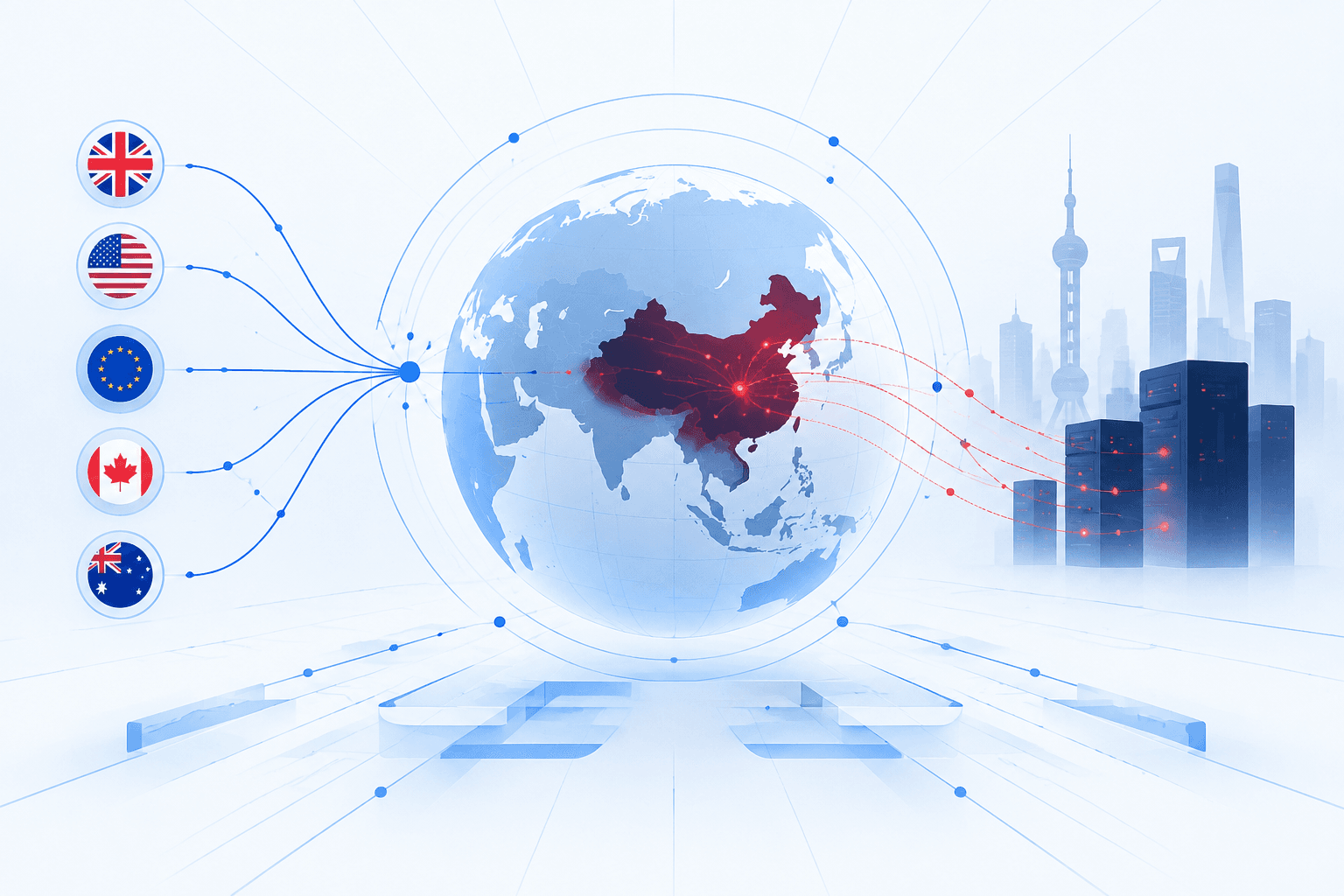
The UK National Cyber Security Centre (NCSC) and eight international partners issued an advisory on 8 October 2026 exposing global cyber espionage enabled by China-based Integrity Technology Group, which has links to the Chinese government. China-linked actors used AI-enabled automated scanning, large-scale botnets and manual exploitation to compromise organisations and steal sensitive data, including from critical sectors. Integrity Tech personnel supported these operations through tool development, infrastructure acquisition and hosting, and network compromise. The reported activity is consistent with campaigns publicly known as Flax Typhoon, Ethereal Panda and Red Juliett, among others.
The disclosure follows UK sanctions imposed in December 2025 on Integrity Tech and Sichuan Anxun Information Technology, known as i-Soon. The UK said Integrity Tech managed a covert cyber network and assisted attacks, including against UK public-sector IT systems, while i-Soon targeted more than 80 government and private-sector systems worldwide. The NCSC assessed it was almost certain that a broader Chinese private-sector ecosystem of security firms, data brokers and hackers for hire supports Chinese state-linked operations. These actions build on an August 2025 joint exposure of three other China-based companies linked to SALT TYPHOON. The NCSC urged organisations to implement the latest advisory’s mitigation guidance and strengthen cyber resilience.
Why it matters
The October 8, 2026 multinational advisory documents confirmed network intrusions, credential theft, and email exfiltration by China-linked actors enabled by Integrity Technology Group. Exposure spans critical infrastructure, government, healthcare, manufacturing, IT, education, law enforcement, and religious organizations worldwide, with observed email-theft victims concentrated in Southeast Asia. The principal business risks are loss of confidential communications, privileged-account compromise, and persistent unauthorized access; officials also warn of potential future critical-infrastructure disruption, but the reporting does not establish disruption caused by these operations.
- Scope: Organizations in Southeast Asia, Africa, and North America were targeted. Reconnaissance also covered airports in Japan and Poland, a South Carolina power company, Taiwanese energy companies, and a multinational NGO; scanning alone does not establish compromise.
- Confirmed incidents: DOJ identifies approximately 20 Taiwanese universities as FishHub victims. Separate reporting describes breaches of two Taiwanese universities following MicroScan reconnaissance; overlap between these populations is not established.
- Operational severity: DCSync credential theft and sustained Exchange/Microsoft 365 collection can extend compromise beyond the initially exploited host. Patching and infrastructure seizures do not revoke stolen credentials or remove installed remote-access software.
- Attribution: The primary advisory describes techniques consistent with Flax Typhoon, Ethereal Panda, and Red Juliett, not an exact equivalence between every commercial tracking label or every intrusion.
- Government context: NCSC identifies Integrity Tech as a China-based intrusion enabler. The December 2025 UK sanctions announcement separately identifies i-Soon as targeting more than 80 systems; that figure is not an Integrity Tech victim count.