Warlock Ransomware Hits Water Utility as Operators Target Higher-Value Organizations
Active Exploitation · 4 sources · Updated 2mo ago · First seen Oct 8, 2026

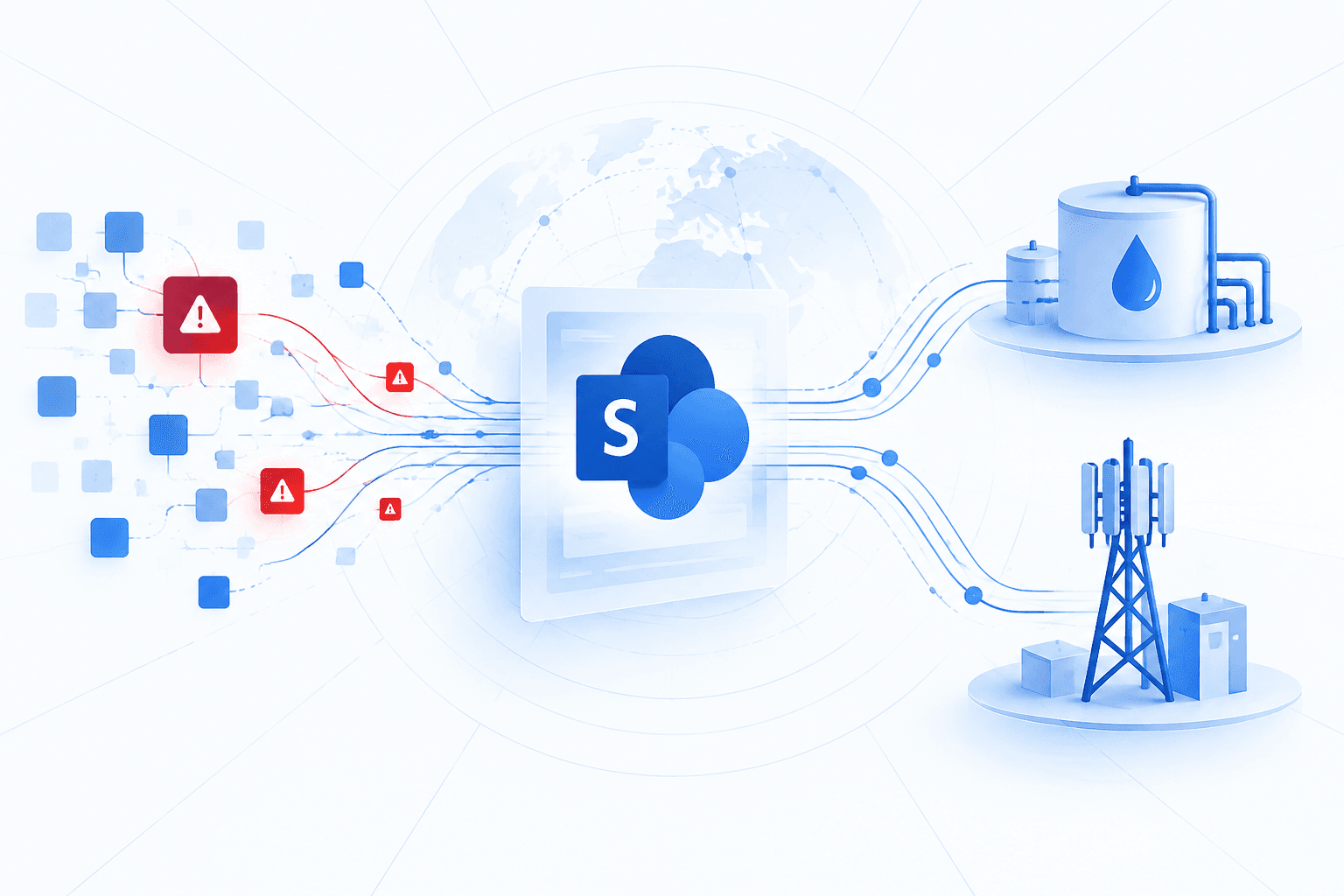
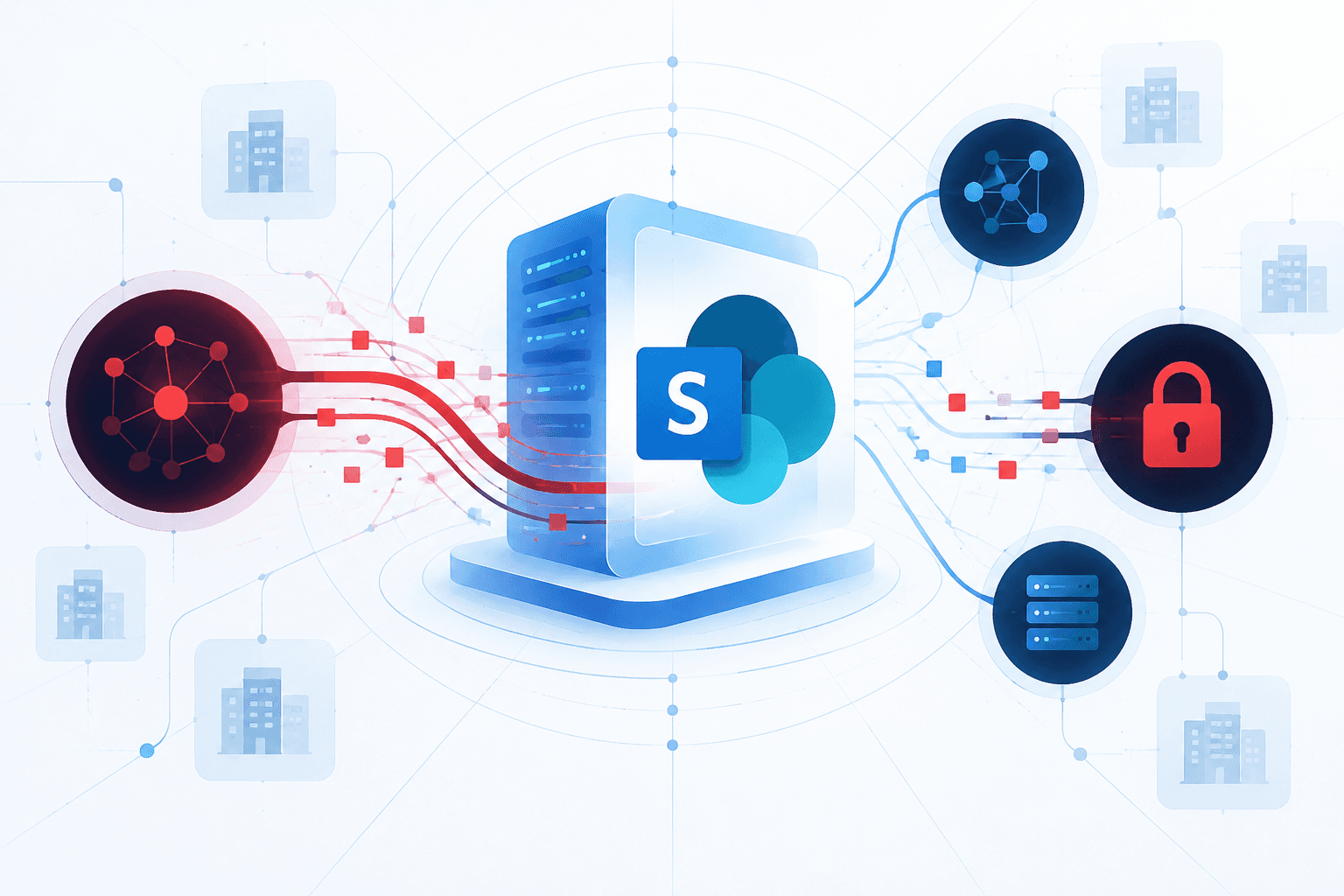
The China-nexus group behind Warlock ransomware, tracked as Longlegs and Storm-2603, has shifted toward fewer, higher-value targets in Spanish- and Portuguese-speaking countries. According to Symantec findings reported by WaterISAC, the group attacked at least four organizations across Europe, Africa, and Latin America over the preceding two months: a water utility, telecommunications provider, regional government body, and university. The attackers exploit on-premises Microsoft SharePoint vulnerabilities for initial access, then use DLL sideloading, a vulnerable signed driver to disable security tools, and living-off-the-land techniques.
Warlock operators stage ransomware in a domain controller’s SYSVOL share, using normal Active Directory replication to distribute the payload across domain controllers. This approach may evade detections focused on conventional remote execution. WaterISAC recommends verifying SharePoint patches, treating previously exposed servers as potentially compromised, monitoring SYSVOL and domain controllers, and restricting unnecessary remote tunneling. The accompanying vulnerability references identify SharePoint flaws CVE-2025-49706 and CVE-2025-53770; defenders should include these in remediation checks rather than assume patching alone rules out an existing compromise.
Why it matters
Longlegs, also tracked as Storm-2603, is conducting targeted Warlock ransomware attacks against higher-value organizations, including water, telecommunications, government, and education entities. Compromise of SharePoint and Active Directory infrastructure creates a risk of domain-wide encryption, loss of administrative access, and service disruption; critical infrastructure operations can be affected through IT dependencies without direct compromise of operational technology.
- PolySwarm, citing Symantec: At least four organizations across Europe, Africa, and Latin America were attacked during the preceding two months, with recent targeting concentrated in Spanish- and Portuguese-speaking countries. Earlier activity affected organizations in the United States, Brazil, India, Russia, Taiwan, and Japan.
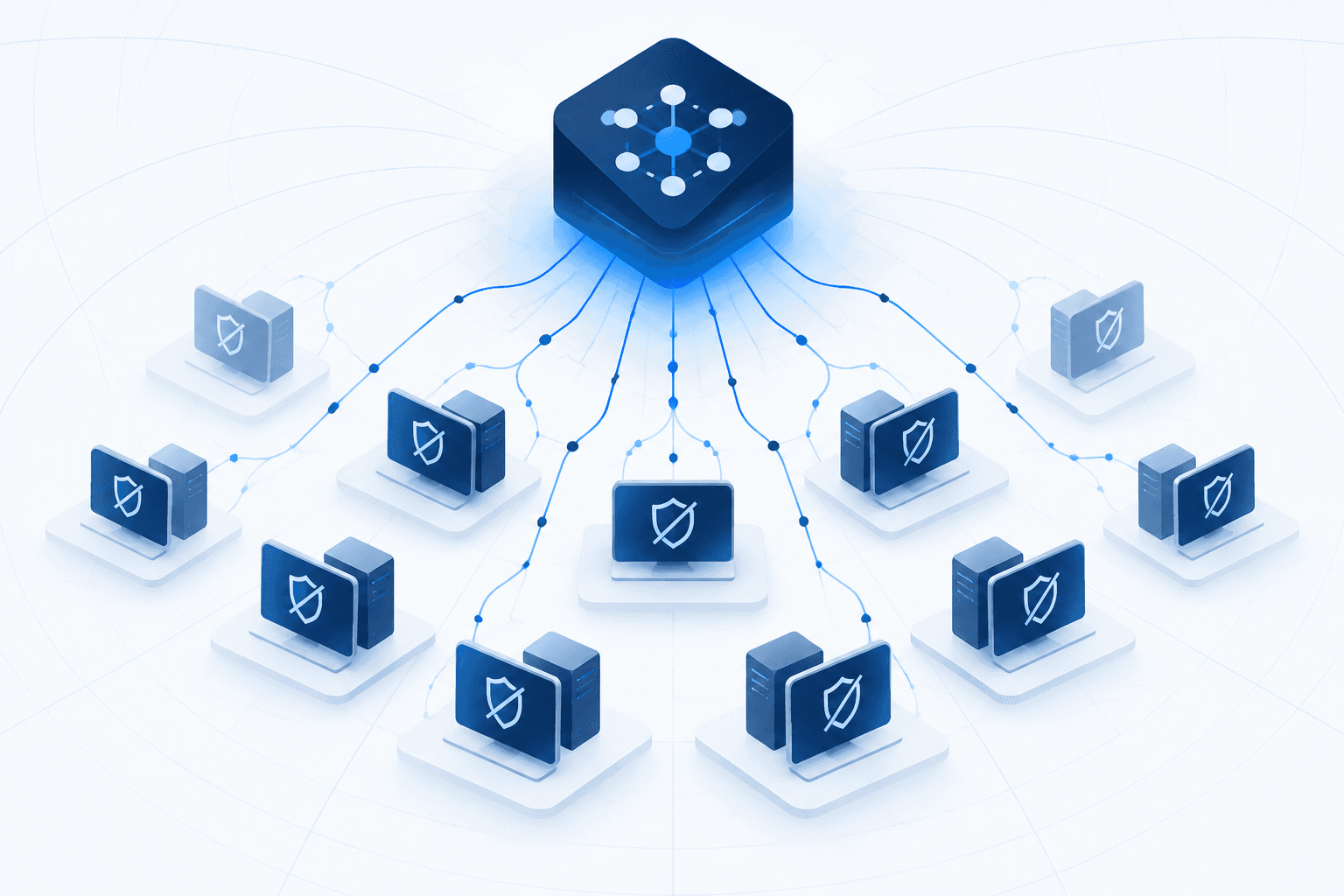
- Documented impact: In a critical infrastructure intrusion beginning in July 2026, an AV/EDR-disabling utility executed on at least 40 additional hosts within approximately two hours. Warlock subsequently appeared on at least 33 systems.
- WaterISAC: The campaign represents a shift toward fewer, higher-value victims. SYSVOL-based payload distribution exposes domain controllers and potentially the wider domain to ransomware deployment.
- Exposure boundary: The identified SharePoint vulnerabilities affect on-premises SharePoint Server, not SharePoint Online in Microsoft 365. The supplied reporting does not establish direct OT compromise, specific service outages, or data exfiltration.
- Attribution: The reporting identifies a China-nexus actor but does not establish Chinese state sponsorship.