
Loading story…
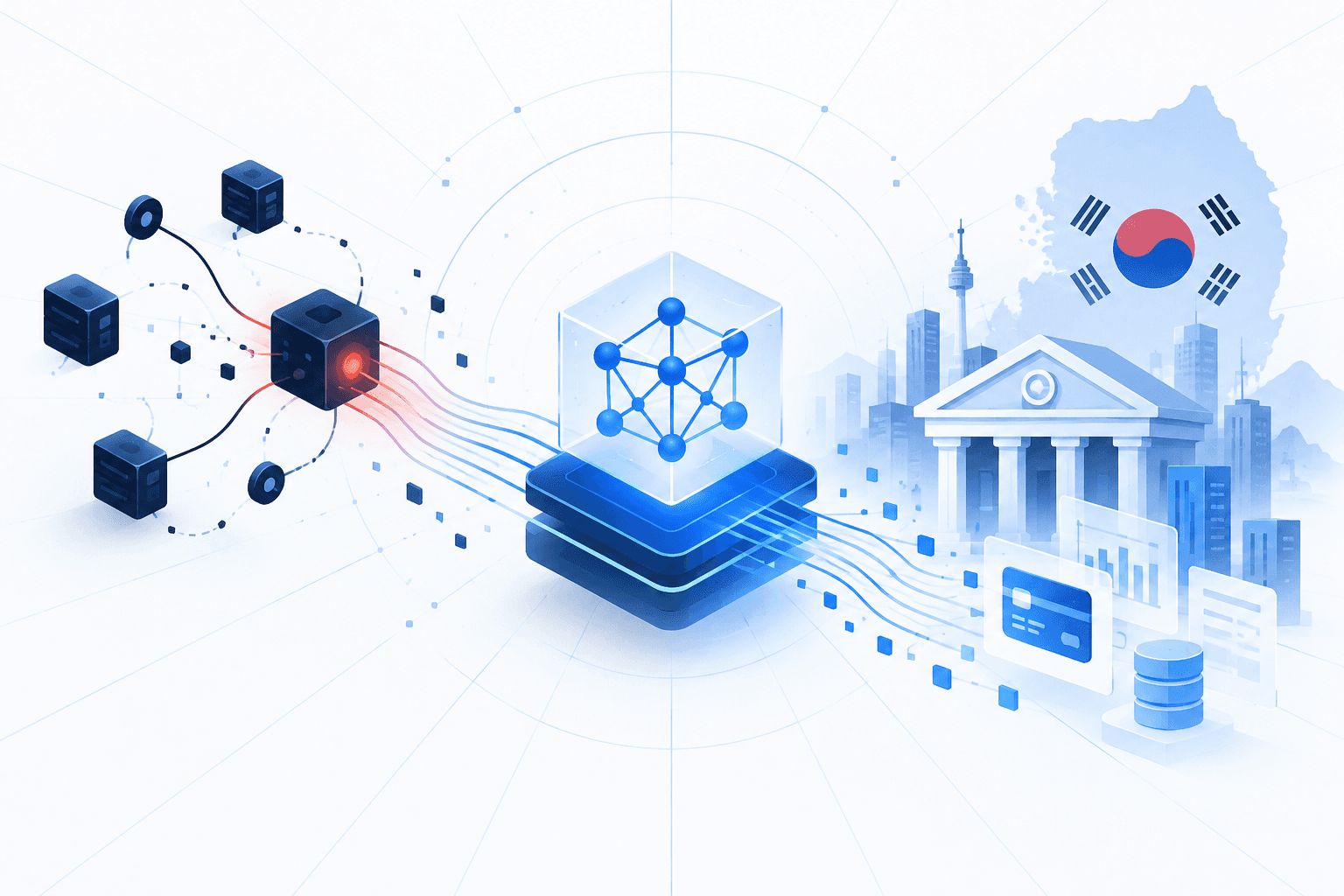
An attacker abused ARTEX, a China-developed agentic penetration-testing framework, to compromise peripheral internet-facing applications at multiple South Korean financial institutions and steal personally identifiable information belonging to approximately 67,000 individuals. Zscaler ThreatLabz first observed the campaign in late September 2026. ARTEX coordinated multiple large language model backends to automate reconnaissance and exploitation of SQL injection and authentication-bypass vulnerabilities. Stolen records included names, telephone numbers, annual income figures, and loan limits.
ThreatLabz assessed with moderate confidence that the attacker was Chinese-speaking and financially motivated. The actor separately used Claude Code to seek advice on monetizing the stolen information; the reporting does not establish that any sale occurred. Following public disclosure of the abuse, ARTEX’s developer made the project closed source, although previously downloaded copies and forks may remain available. The campaign highlights the need for financial institutions to prioritize security testing and remediation of internet-facing peripheral applications, particularly SQL injection and authentication weaknesses.
Track how attackers are adapting to this technology.
9 events from the most recent confirmed update back to the earliest known activity.
ThreatLabz published its analysis, assessing with moderate confidence that a financially motivated, Chinese-speaking threat actor conducted the campaign. It detailed the use of DeepSeek v4.1-flash as ARTEX’s primary model backend, with Zhipu AI GLM-5.3 and SpaceXAI Grok 4.6 providing supplementary reasoning.
ThreatLabz first observed a campaign using ARTEX to exploit SQL injection and authentication-bypass vulnerabilities in peripheral applications at multiple South Korean financial institutions. The campaign stole records belonging to approximately 67,000 individuals, including names, phone numbers, annual income figures, and loan limits.
From August 17–22, 2026, TAG-217 tested infrastructure intended to maintain remote access to computers and conducted internet scanning, according to exposed evidence examined by Insikt Group. Logs showed repeated connections between actor-controlled servers but did not establish successful access to victim systems.
The AI-assisted hacking campaign reportedly affected 16 financial institutions and leaked approximately 100,000 personal records, including names, contact information, and resident registration numbers. Newly identified exposure victims included DB Savings Bank, KDB Capital, Brightfix, Streami, and Pravang.
Insikt Group examined exposed directories on TAG-217 infrastructure and uncovered tools designed to steal cryptocurrency wallet files, expand access to Linux systems, and test mobile-device weaknesses. The report also cited public reporting that the banking breaches exposed personal data belonging to at least 68,000 people across at least seven South Korean financial institutions.
South Korea’s government held an emergency meeting following attacks reported to affect Shinhan Bank, Yegaram Savings Bank, KB Kookmin Bank, and Hana Bank. Financial regulators warned citizens about potential phishing and fraud following leaks of customer personal information and payment-card data; some banks also experienced operational disruptions.
Following public disclosure of ARTEX’s abuse, its developer made the project closed source. Previously downloaded copies and forks may remain available.
The attacker used Claude Code sessions to seek advice on selling stolen South Korean financial information and finding Korean-language Telegram channels used for data sales. The sources did not establish that a sale occurred.
Developer Autumn-27 released the China-developed ARTEX framework on GitHub as open source. The framework coordinates large language models to automate reconnaissance, vulnerability identification, and exploitation.
Vulnerabilities, threat actors, malware, products, organizations, and breaches Mallory has linked to this story.
Follow how adversaries are adapting to this technology, and where it touches your stack today.
6 references tracked. Mallory keeps watching after this page renders.
securitymagazine.com
Open sourcemalware.news
Open sourcexakep.ru
Open sourcerecordedfuture.com
Open sourcemalware.news
Open sourcezscaler.com
Open sourceMap indicators from this story to your assets and identify affected systems in minutes.
Every observed campaign, victim, and pivot linked to actors named in this story.
Malware, exploits, and IOCs connected to the activity described here.
YARA, Sigma, and Snort rules deployed to your SIEM as soon as they’re published.
Get matching new stories delivered to your team as they break — not the next morning.
Ask questions about this story and take action on the answers.
Other stories Mallory is tracking that overlap on entities, sources, or topic labels.

An unattributed threat actor targeted South Korean financial organizations in a campaign that resulted in data exfiltration, according to CrowdStrike Intelligence. The attacker combined agentic AI with traditional offensive capabilities, using ARTEX, a Chinese-developed open-source penetration-testing tool, with multiple large language models. The operation relied on two servers and several proxies. Exposed attacker-controlled directories contained Claude Code session histories, ARTEX configurations, and memory files documenting the AI-assisted activity. CrowdStrike assessed with **moderate confidence** that the attacker was likely Chinese-speaking and financially motivated, citing Chinese-language prompts, tooling choices, and inquiries about selling Korean breach data. The attacker’s identity and the number of affected organizations remain unconfirmed. The recovered artifacts document AI use during the intrusion campaign, but do not establish that the attacks were fully autonomous.
Oct 14, 2026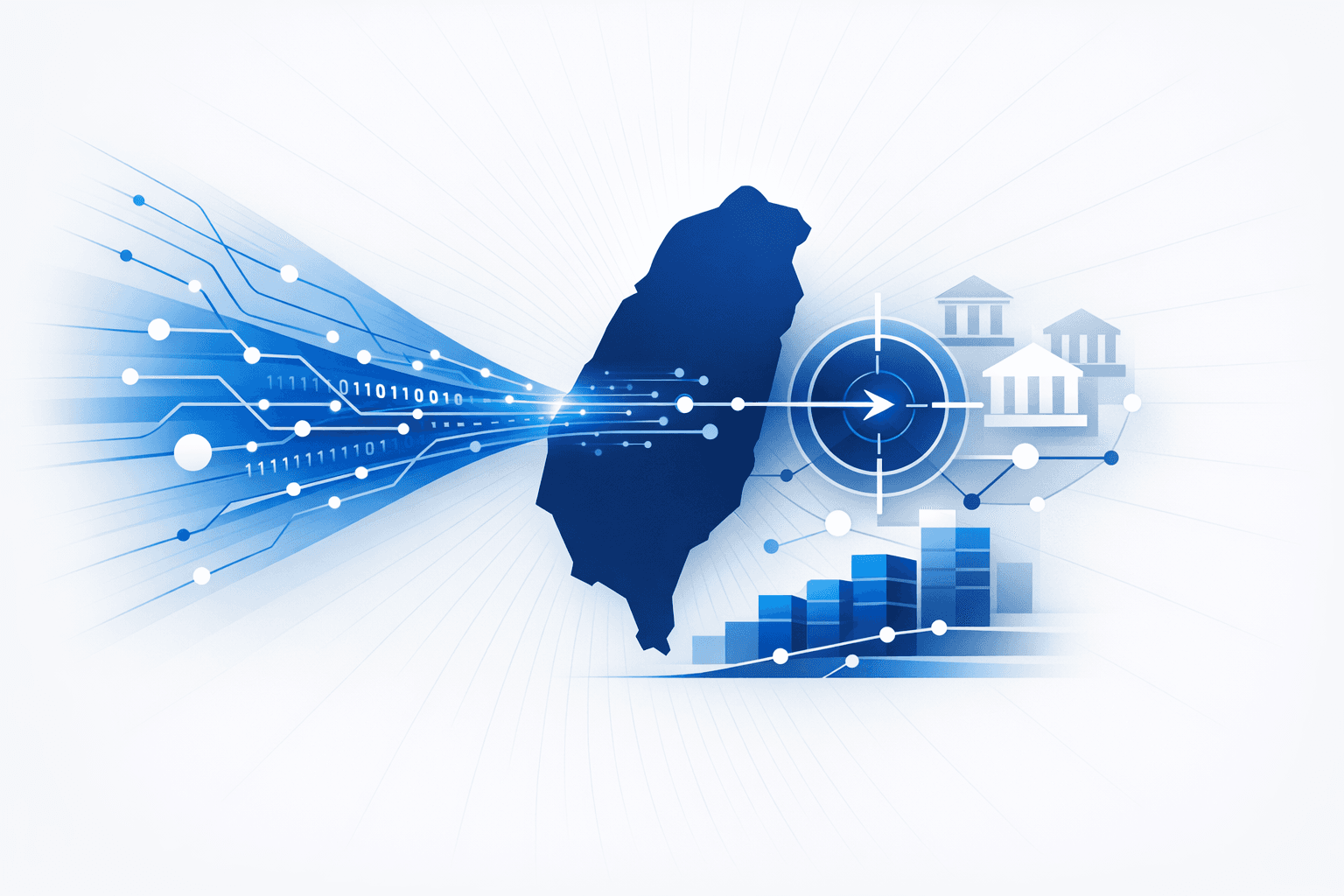
A Chinese state-linked hacking group tracked as **APT10** was tied to a months-long supply-chain intrusion against Taiwan’s financial sector, compromising organizations through an undisclosed flaw in the web administration interface of a widely used securities software product. Researchers said the affected platform reportedly serves more than **80%** of Taiwan’s local financial organizations, giving the attackers broad downstream access. The campaign, tracked as **Operation Cache Panda**, was disguised in part as credential-stuffing activity while targeting brokerage data, personally identifiable information, and the ability to disrupt investment operations rather than steal funds directly. After initial access, the attackers uploaded the **ASPXCSharp** web shell to control exposed servers, used **Impacket** to scan internal networks, and moved laterally with **Remote Service** creation and **WMI**. They then deployed a **Quasar RAT** variant and other .NET payloads through reflective in-memory loading using tooling associated with **Donut** and **SharpSploit**, reducing on-disk artifacts and antivirus detection. Investigators also found the group established reverse-tunnel **RDP** access for persistent interactive control and used the Chinese cloud file-sharing service **WenShuShu** to retrieve tools during the operation.
Aug 15, 2026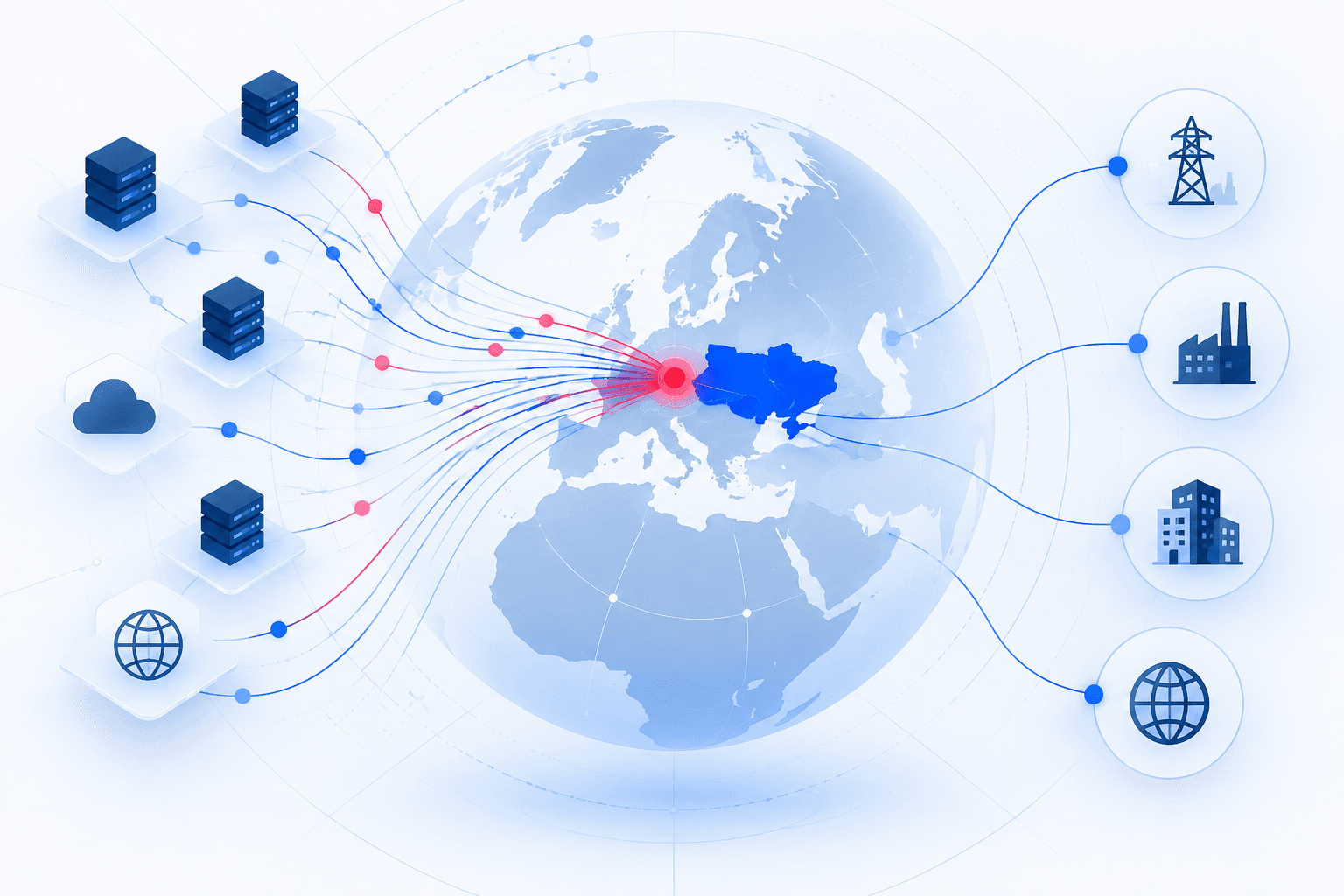
SOCRadar reported that **CyberXero**, a Russian-speaking, financially motivated initial access broker, is running parallel campaigns against global WordPress and e-commerce sites and Ukrainian critical infrastructure. An exposed working directory contained victim data, exploitation tools, and AI session logs, linking eight infrastructure nodes to the operator. The investigation confirmed data exfiltration from four Ukrainian organizations involving more than **628,000 records associated with Ukrainian individuals**, alongside curated reconnaissance against seven energy and utilities entities. CyberXero uses up to 51 specialized Claude Code agents and a PentAGI–Cobalt Strike integration to augment reconnaissance, exploitation, and post-exploitation. Logs showed both successful attempts to bypass AI refusals using fabricated authorization narratives and session resets, and refusals that held. The operation illustrates adversary practices documented by MITRE ATT&CK: vulnerability scanning (T1595.002), obtaining publicly available or legitimate tools (T1588.002), and acquiring exploits rather than developing them internally (T1588.005). MITRE documents these practices across espionage and criminal groups, including scanning for vulnerabilities in internet-facing applications and using tools such as Cobalt Strike, Impacket, and Mimikatz; those broader examples are not all attributed to CyberXero. Defenders should prioritize internet-facing application patching, investigate suspicious scanning and Cobalt Strike activity, and assess potential data exposure. CyberXero remained active when SOCRadar published its report, but the purpose of its directed Ukrainian campaign and any sale of the resulting access remained unconfirmed.
Oct 13, 2026