ChatGPT Adds PIN and Biometric Locks for Individual Conversations
Emerging Technology Risk · 5 sources · Updated 1mo ago · First seen Oct 21, 2026
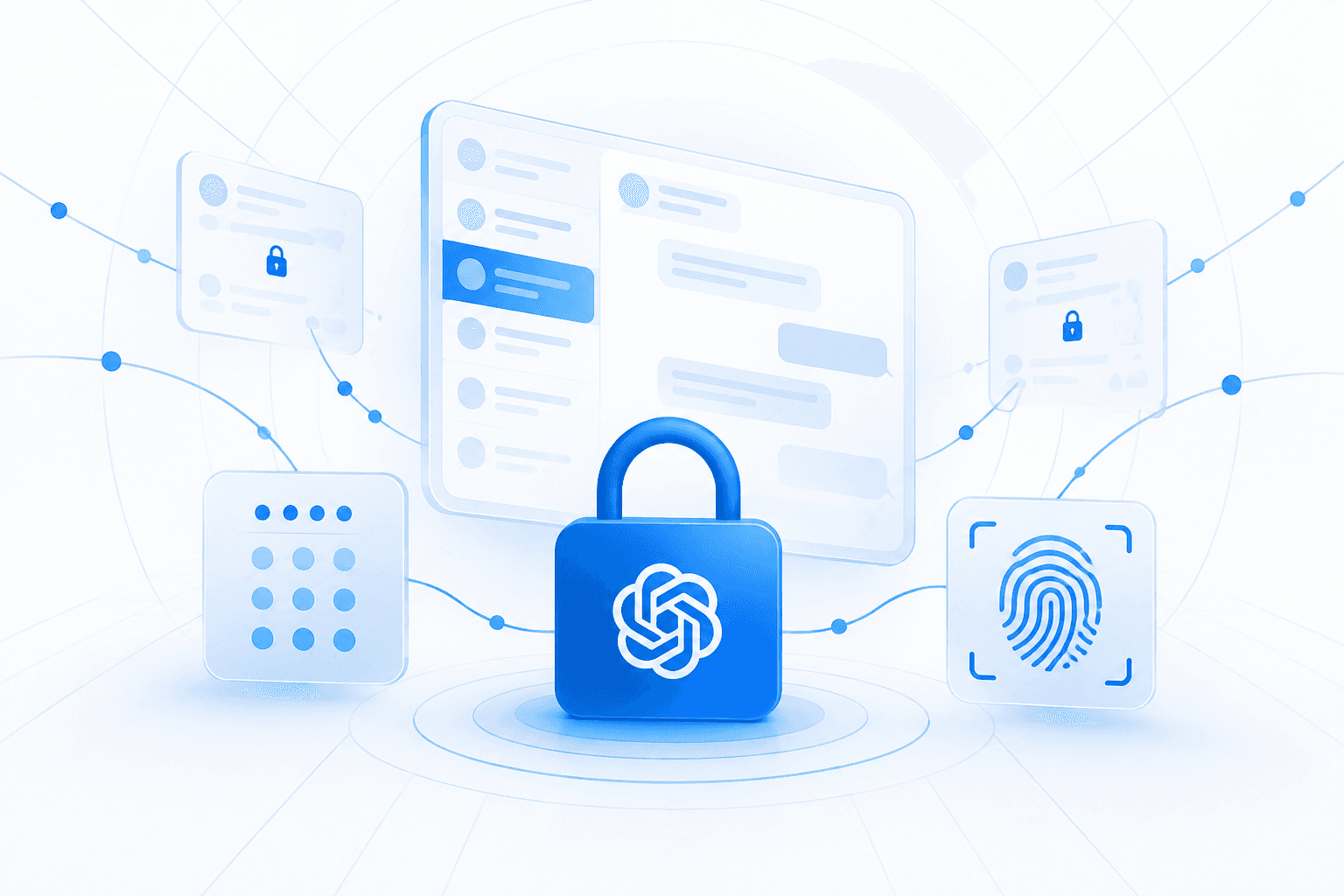
OpenAI has introduced Locked Chats for ChatGPT, allowing users to protect selected conversations with a four-digit account PIN or supported device authentication, including Face ID and Touch ID. Locked conversations are hidden from regular history, pinned chats, and standard search, adding an access barrier on shared or accessible devices. They use a separate memory shared only among locked chats. Availability is rolling out gradually across ChatGPT plans except ChatGPT for Healthcare, and some conversation types cannot be locked.
Locked Chats provides interface-level access protection, not end-to-end encryption. It does not change data-retention policies, model-training preferences, or applicable safety monitoring, and locking a conversation does not erase information memorized beforehand. Resetting a forgotten PIN permanently deletes all conversations, files, and other content protected by the previous code, while changing a known PIN preserves them. Organizations should therefore treat the feature as an additional local-access safeguard, not a substitute for enterprise data-handling controls.
Why it matters
ChatGPT Locked Chats adds protection against casual viewing of sensitive conversations on shared or unattended devices, with gradual availability across Free, Go, Plus, Pro, Business, Enterprise, and Edu plans; ChatGPT for Healthcare is excluded. The feature provides interface-level access control, not end-to-end encryption or a change to retention, training preferences, or authorized compliance access. The principal operational risks are misplaced confidence in confidentiality and irreversible loss of protected content when a forgotten PIN is reset; the reporting describes no exploitation incidents.
- Affected populations: Individuals and organizations using ChatGPT for sensitive personal, business, or educational discussions.
- Confidentiality limits: Shared copies, externally sourced files, previously memorized information, and content copied by an authorized viewer are not automatically protected by locking a conversation.
- Availability risk: Resetting a forgotten PIN permanently deletes locked conversations and exclusively protected files and memories; changing a known PIN preserves them.