France Attributes Refrigeration Sabotage at 700 Retail Sites to Iran’s Shahid Kaveh
Breach & Incident Intelligence · 73 sources · Updated 4d ago · First seen Nov 9, 2026
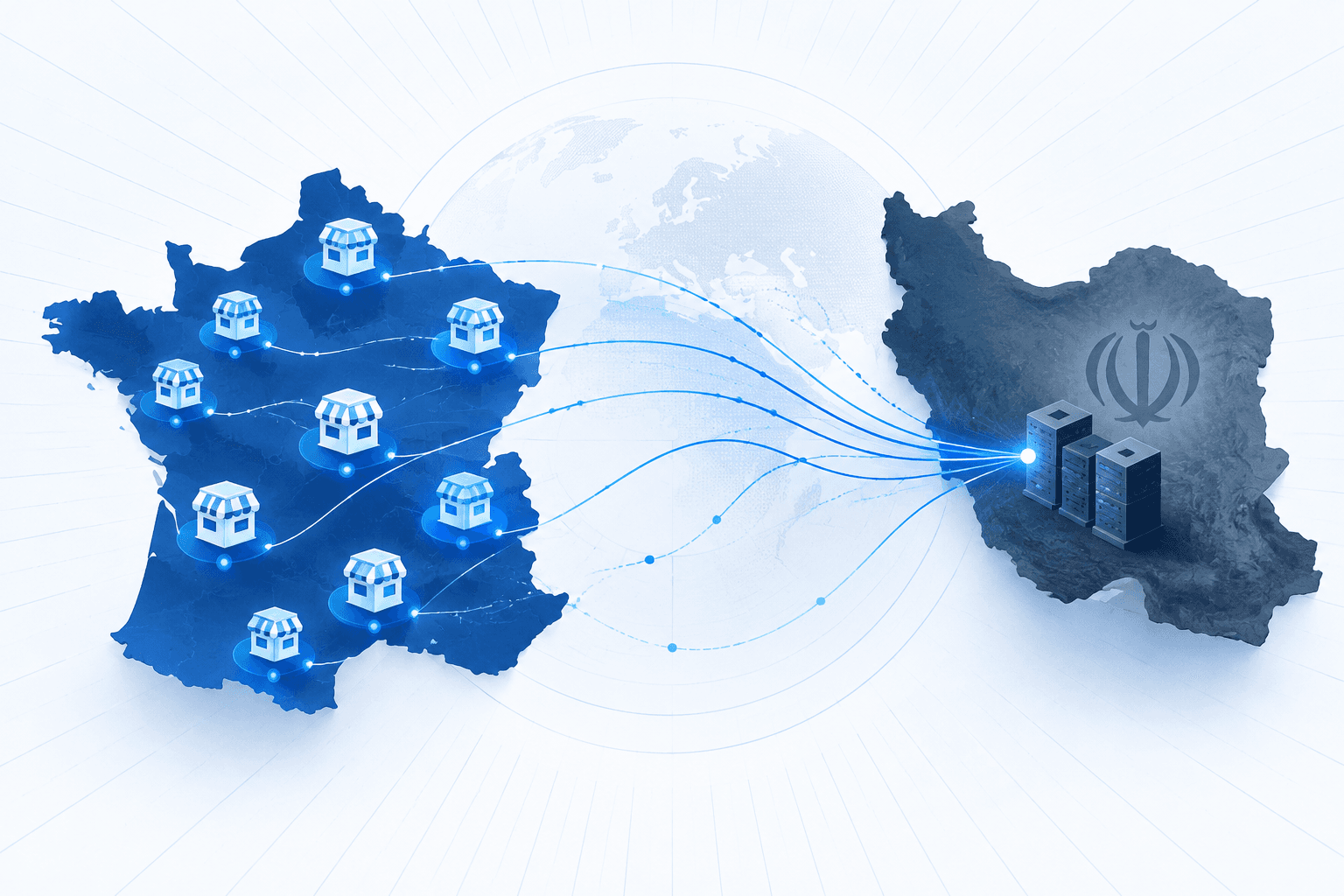
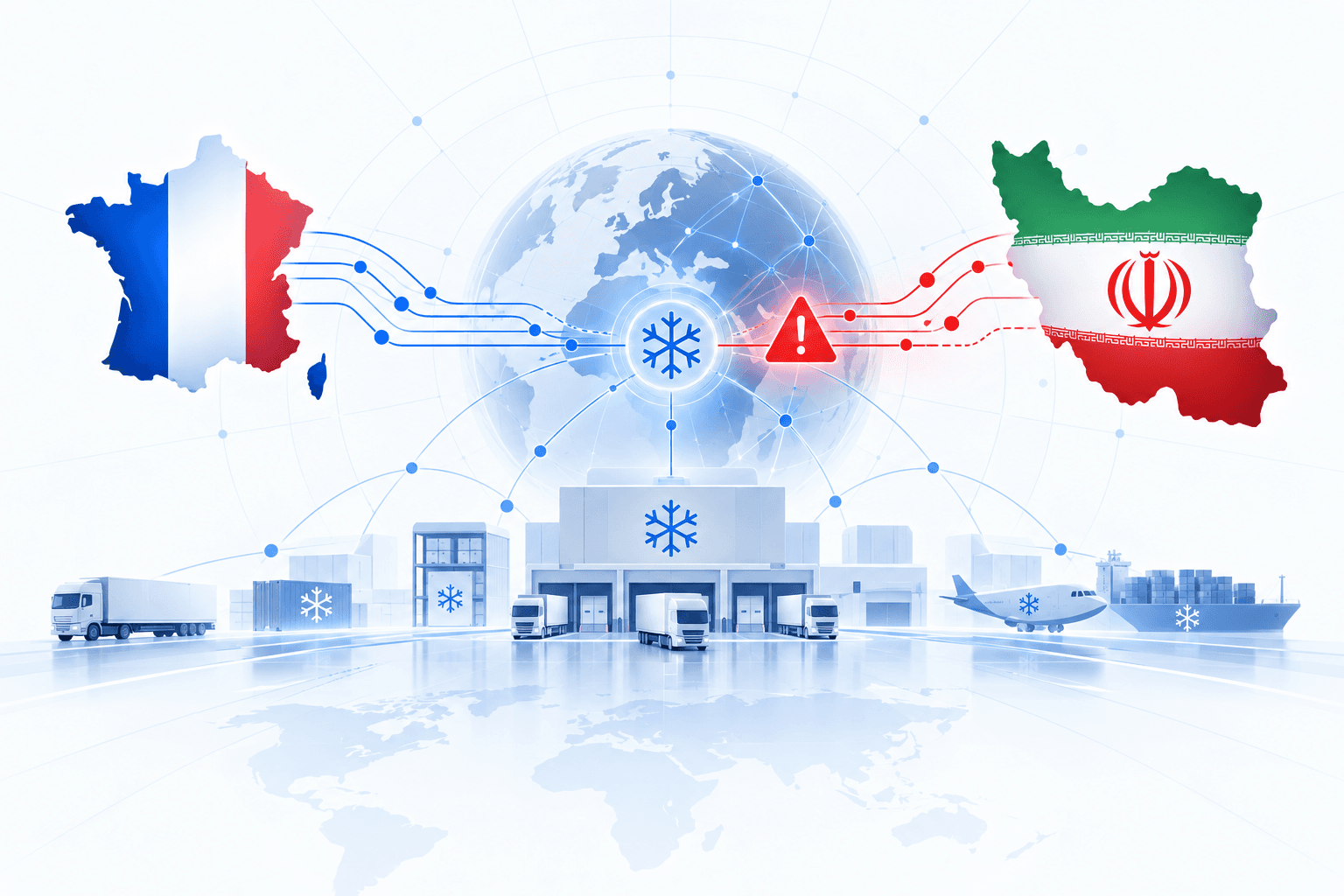
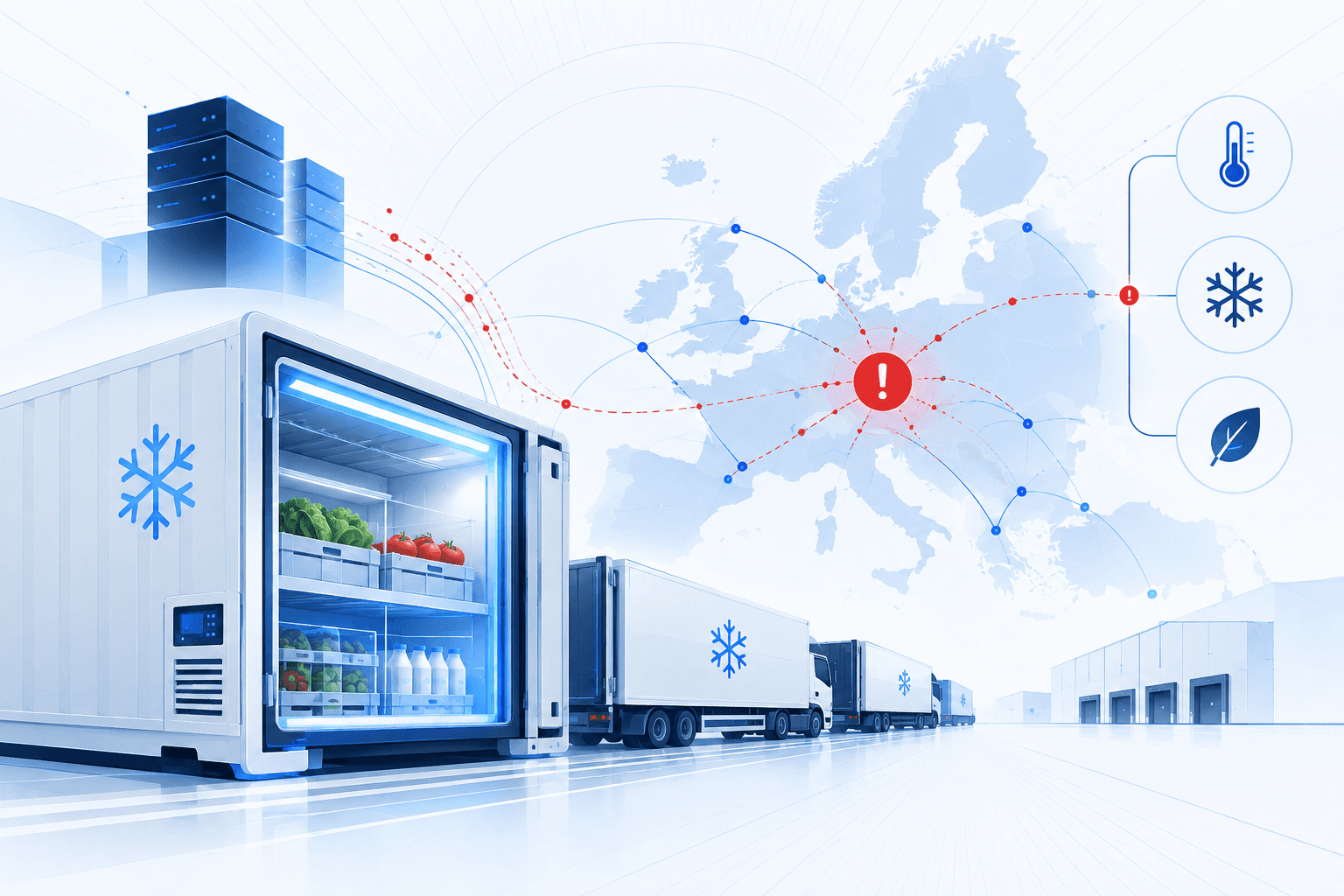
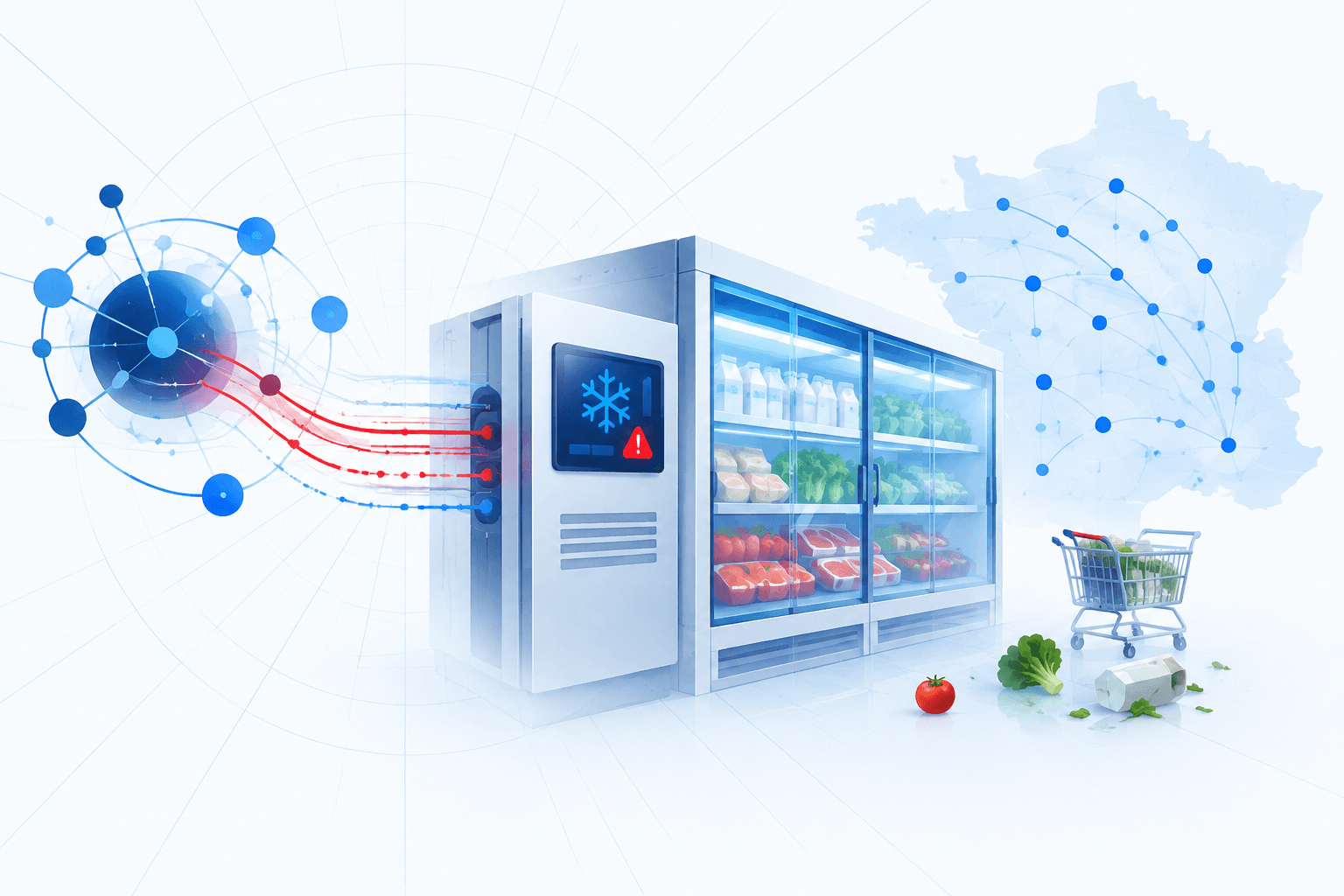
France formally attributed destructive attacks on refrigeration controllers at approximately 700 French retail sites to Shahid Kaveh, a cyber-offensive unit affiliated with Iran’s Islamic Revolutionary Guard Corps. During October 11–12, attackers remotely manipulated defrost settings and disabled temperature alerts, causing extensive food spoilage, at least 15 fires and losses estimated at tens of millions of euros. Targeted equipment included Danfoss and Copeland/Dixell systems; the precise initial-access method remains publicly unconfirmed. French investigators cited reused infrastructure, reconnaissance patterns, Farsi-language traces and publicity by a unit-linked outlet as attribution evidence. France also linked concurrent attacks on small hydroelectric installations to the unit. Prosecutors opened a judicial investigation and requested international arrest warrants, while France summoned Iran’s ambassador and proposed additional EU sanctions. Iran denied involvement. France’s attribution statement
A separate November wave disrupted refrigeration at more than 100 European establishments and targeted French blood-storage facilities, where monitoring and staff intervention prevented losses. Those incidents have not been officially linked to the October campaign. Belgium reported serious indications of potential Iranian involvement in its November 2 attacks, but its foreign minister said formal attribution would be premature; pro-Russian groups’ responsibility claims also remain unverified. CISA, the FBI and other U.S. agencies urged organizations to harden cold-chain systems after the European attacks. Their warning described abuse of normal administrative functions, including forced defrost cycles and alarm suppression; one examined Copeland XWEB Pro compromise involved default administrator credentials. Priority measures include removing controller interfaces from the public internet, securing contractor and remote-maintenance access, replacing default passwords, segmenting OT networks, updating or replacing unsupported equipment, and maintaining independent temperature alarms. U.S. hardening warning