Mallory
← Back to News
internet-exposed-servicedefault-credential-exposurebotnet-infrastructureindustrial-control-system-vulnerability

Exposed Copeland Refrigeration Controllers Abused for Suspected Spam and Proxy Operations

Attack Surface Exposure · 3 sources · Updated 7d ago · First seen Nov 9, 2026
Exposed Copeland Refrigeration Controllers Abused for Suspected Spam and Proxy Operations

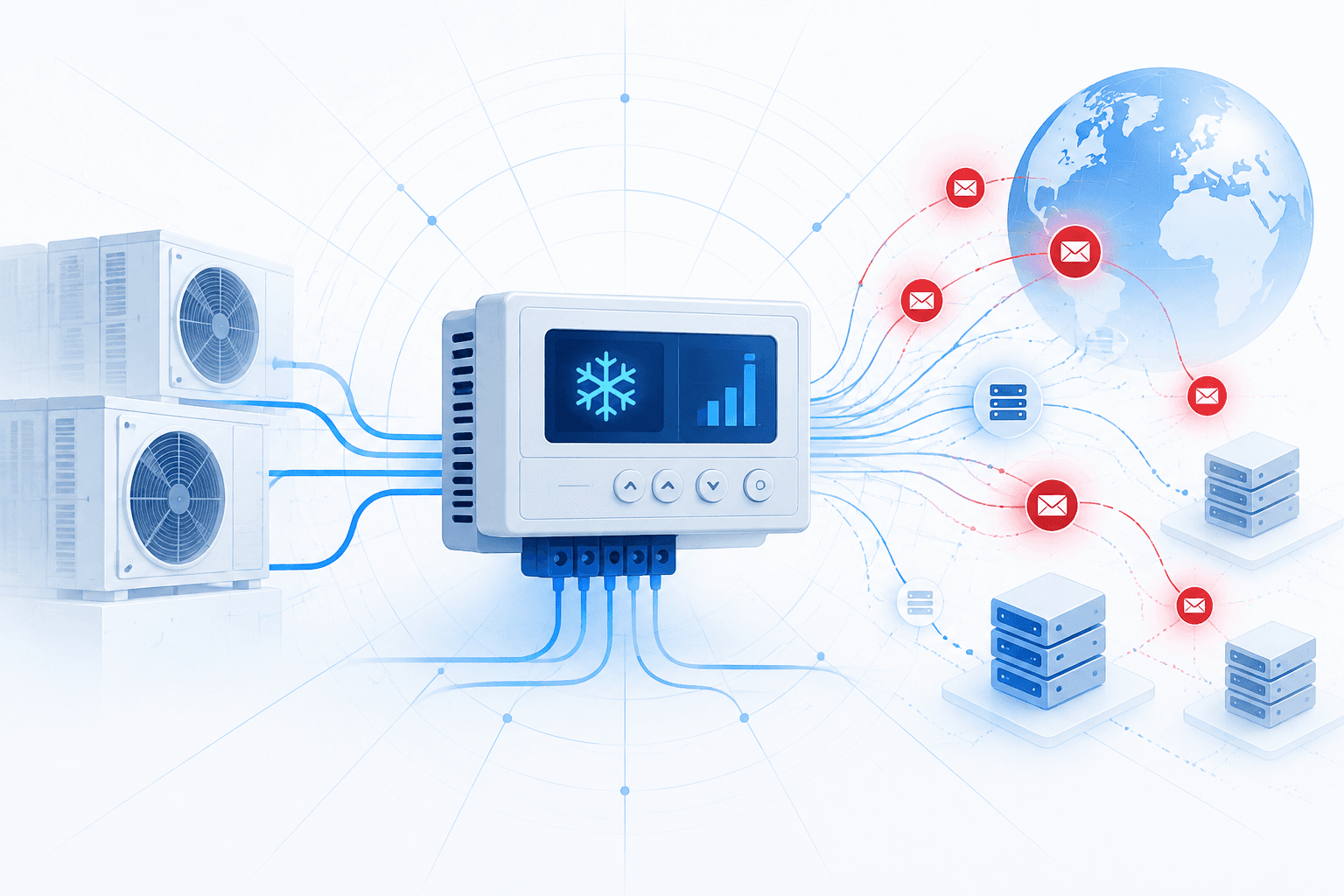
SecurityScorecard’s STRIKE Team identified internet-exposed Dixell/Copeland XWEB refrigeration controllers being abused as tunnel gateways, proxy exits, and suspected spam infrastructure. The suspected SMTP botnet spans nine IP addresses, three confirmed as XWEB devices; overlapping destination lists provide the strongest evidence of coordination. Researchers also confirmed six exposed controllers running firmware vulnerable to authentication bypass CVE-2026-25085. They consider the vulnerability a likely entry point but did not demonstrate its exploitation. Overall confidence remains low to medium, with no operator or command-and-control system established. The listed infrastructure should be treated as potentially compromised victims, not necessarily attacker-owned assets.

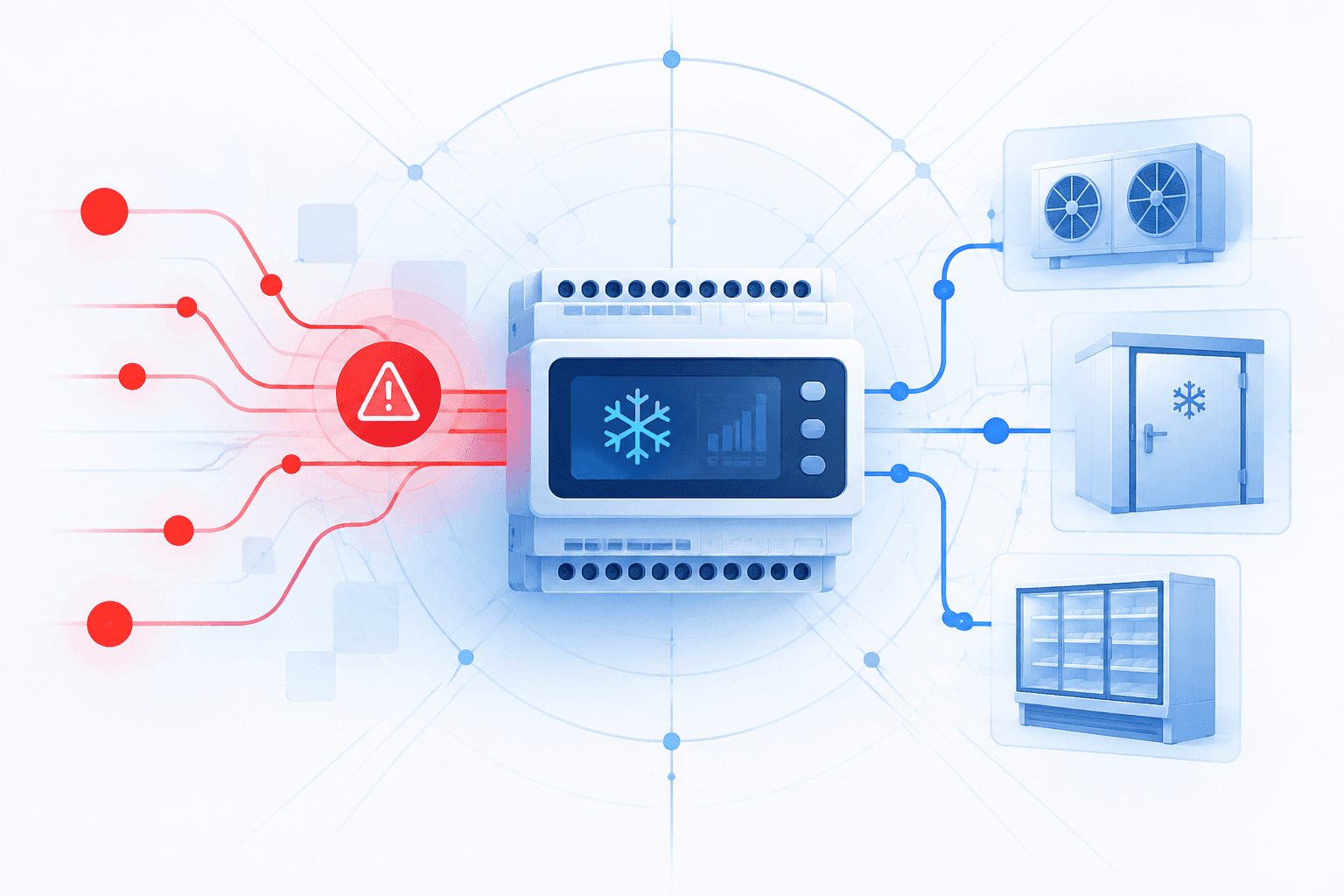
Separate refrigeration attacks highlight the potential physical consequences of controller compromise, but investigators have not linked them to the suspected botnet. Ransom-ISAC documented an attacker using factory-default Administrator credentials to make 743 configuration changes, including extreme temperature setpoints, alarm suppression, and local keypad locking. Other reported incidents spoiled supermarket stock across Europe, while the French Blood Establishment confirmed temperature spikes at three blood banks following a refrigeration provider compromise. Responsibility claims by pro-Russian groups NoName057(16) and Z-Pentest remain unverified, and links among the incidents are unestablished. Organizations operating these controllers should restrict internet exposure, replace default credentials, address vulnerable firmware, and monitor temperature, alarm, and access-control changes.


Is this exposed in your estate?Map this exposure pattern across your cloud, code, and identities.
Map your surface
Event timeline

How this story unfolded

Events from the most recent confirmed update back to the earliest known activity.

10 events · Feb 2026 – Nov 4, 2026
  1. Reported Nov 9, 20268d ago

    Ransom-ISAC publishes analysis showing refrigeration attack used default credentials

    A day after SecurityScorecard's report, Ransom-ISAC published its analysis of the separate November 2 controller attack, finding that factory-default Administrator credentials enabled access without exploiting a vulnerability. It found no evidence connecting the incident to NoName057(16), Z-Pentest, or the French supermarket attacks.

    Hackers abuse refrigeration controllers to send spam and route proxy traffic - Help Net Security
  2. Reported Nov 9, 20268d ago

    SecurityScorecard details controller abuse for tunneling and proxy traffic

    STRIKE reported that an abused controller in Namibia accounted for 71% of captured traffic as a suspected tunnel gateway, while a controller in Trinidad and Tobago contacted 10,643 hosts in 17 hours as an apparent proxy exit. Researchers confirmed six exposed XWEB controllers running vulnerable firmware but assigned low-to-medium overall confidence and established no link to the destructive European attacks.

    Hackers abuse refrigeration controllers to send spam and route proxy traffic - Help Net Security
  3. Nov 4, 202614d ago

    NoName057(16) and Z-Pentest claim responsibility for supermarket attacks

    The pro-Russian groups NoName057(16) and Z-Pentest claimed responsibility for the supermarket refrigeration attacks. Investigators had not verified their claims or linked those attacks to the blood bank incident.

    Hackers abuse refrigeration controllers to send spam and route proxy traffic - Help Net Security
  4. Nov 2, 202616d ago

    STRIKE first detects suspected refrigeration-controller spam activity

    SecurityScorecard's STRIKE team first identified outbound SMTP activity associated with exposed XWEB panels. The suspected cluster comprised nine IP addresses sending email without receiving it, with three subsequently confirmed as XWEB controllers and overlapping destination lists suggesting coordination.

    Hackers abuse refrigeration controllers to send spam and route proxy traffic - Help Net Security
  5. Nov 2, 202616d ago

    Attackers make 743 changes to an exposed refrigeration controller

    Two Administrator sessions originating from Australian and Dutch IP addresses accessed 31 devices at an unnamed commercial refrigeration site and made 743 configuration changes using factory-default credentials. Changes included 110°C and 150°C setpoints, alarm suppression, and keypad locking; logs did not establish actual temperatures or food losses.

    Hackers abuse refrigeration controllers to send spam and route proxy traffic - Help Net Security
  6. Nov 2, 202616d ago

    Three French blood banks experience refrigeration temperature spikes

    The French Blood Establishment confirmed that cold rooms at three blood banks experienced temperature spikes following a refrigeration equipment provider compromise. Investigators had not established a connection to the supermarket attacks.

    Hackers abuse refrigeration controllers to send spam and route proxy traffic - Help Net Security
  7. Nov 2, 202616d ago

    Further refrigeration attacks affect supermarkets across Europe

    A subsequent wave of temperature-manipulation attacks affected stores in Belgium, Luxembourg, and Sweden. Later reports also identified affected stores in Finland, Ireland, Estonia, and the Netherlands.

    Hackers abuse refrigeration controllers to send spam and route proxy traffic - Help Net Security
  8. Oct 2026

    Refrigeration attacks spoil stock at hundreds of French supermarkets

    Attackers reportedly changed refrigeration systems from cooling to heating overnight, forcing hundreds of French supermarkets to discard spoiled stock. Ransom-ISAC reported that Copeland, Dixell, and Danfoss equipment was targeted.

    Hackers abuse refrigeration controllers to send spam and route proxy traffic - Help Net Security
  9. Reported May 11, 20266mo ago

    STRIKE corrects device counts and withdraws suspected command-and-control attribution

    STRIKE corrected preliminary estimates of approximately 2,105 XWEB devices and a 1,233-node refrigerator mesh after finding only six genuine controllers in the scan export. It also reclassified a suspected command-and-control network as 128 victim devices sharing an identical fingerprint.

    A Dish Served Lukewarm: The Refrigerator Botnet - SecurityScorecard
  10. Feb 2026

    CISA publishes advisory covering 23 XWEB vulnerabilities

    CISA published an advisory covering 23 vulnerabilities reported by Claroty Team82, including authentication bypass CVE-2026-25085. SecurityScorecard later identified that vulnerability as a possible entry point for controller compromises, without establishing that it was exploited.

    Hackers abuse refrigeration controllers to send spam and route proxy traffic - Help Net Security
Linked entities

Related entities

Vulnerabilities, threat actors, malware, products, organizations, breaches, and observables Mallory has linked to this story. Indicator values are masked here and available in full in the app.

Open in app →

Affected products

1 linked
Xweb Pro

Organizations

3 linked
CopelandDixellFrench Blood Establishment

Observables

14 linked

Indicator values are masked on this page. View all 14 in Mallory Domains, IPs, hashes, and URLs are exportable to your SIEM.

Do you run this?See where this exposure pattern shows up across your cloud, code, supply chain, and non-human identities.
See Where You're Exposed
Mallory platform

See the full picture, correlated to your attack surface.

This page covers what’s public. Mallory adds the parts that aren’t: which of your assets are affected, which threat actors are using it right now, and what to deploy next.

Exposure mappingMap indicators from this story to your assets and identify affected systems in minutes.
Threat actor evidenceEvery observed campaign, victim, and pivot linked to actors named in this story.
Associated malwareMalware, exploits, and IOCs connected to the activity described here.
Detection signaturesYARA, Sigma, and Snort rules deployed to your SIEM as soon as they’re published.
Scheduled alertsGet matching new stories delivered to your team as they break, not the next morning.
AI threadsAsk questions about this story and take action on the answers.