Attackers Use GSocket Backdoors to Retain Access to Linux Servers After Patching
Malware Intelligence · 9 sources · Updated 4d ago · First seen Nov 12, 2026
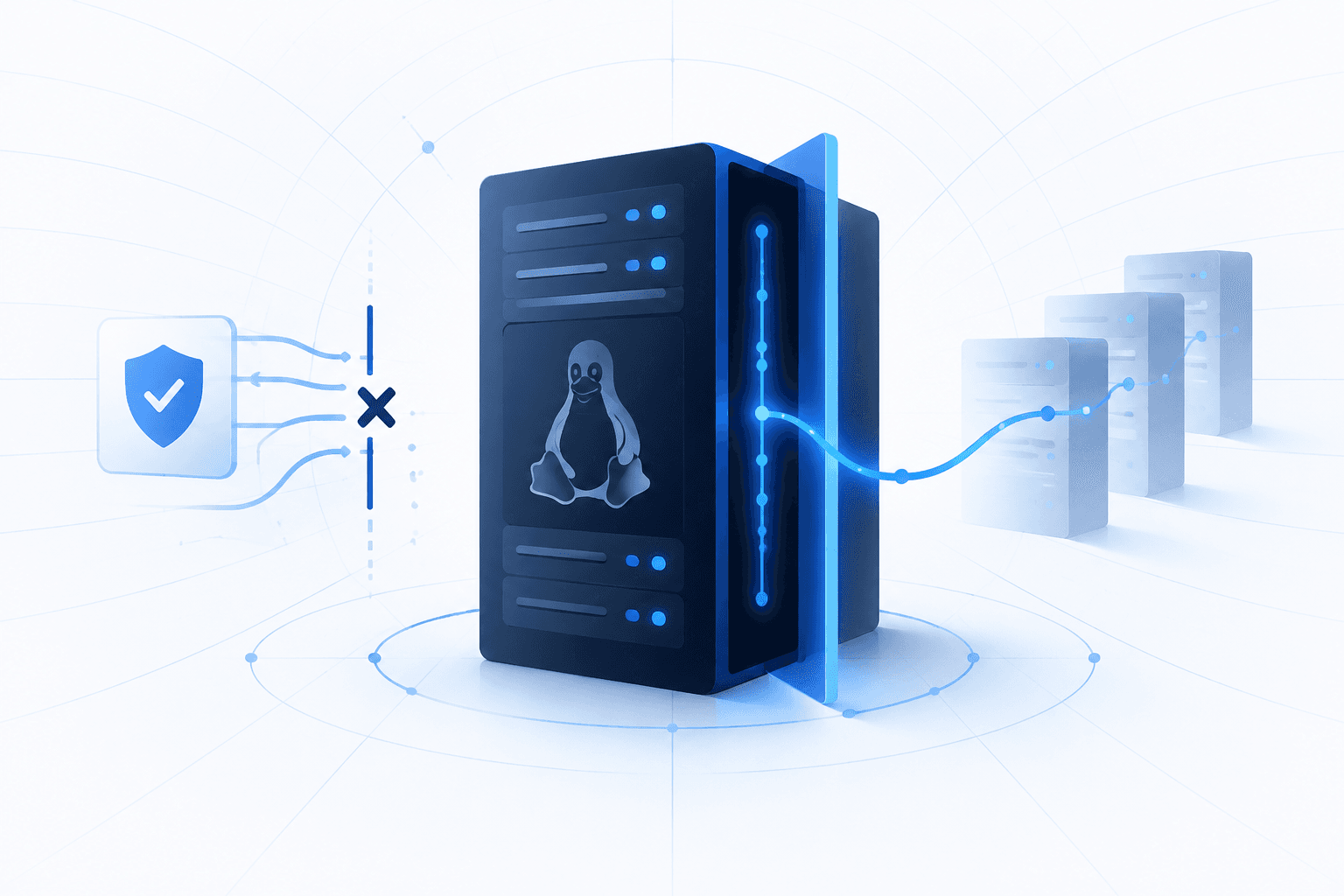
Microsoft warned that multiple unrelated threat actors are abusing GSocket, a legitimate open-source remote administration tool, to retain access to compromised Linux servers even after administrators patch the vulnerabilities used for initial entry. Microsoft Defender for Endpoint telemetry recorded a 356.2% increase in GSocket-related detections between March and August 2026, with attributable incidents concentrated in web applications and hosting environments. GSocket establishes encrypted outbound sessions through the Global Socket Relay Network, avoiding inbound listening ports and allowing attackers to reconnect without knowing the server’s IP address or hostname.
Attackers conceal GSocket using misleading process names and hidden staging locations, and maintain persistence through cron jobs, systemd services, shell profiles, and watchdogs. Microsoft also observed attempts to exploit CVE-2026-43284, known as Dirty Frag, to gain root privileges. Patching the initial vulnerability alone does not remove this access: defenders should remove unauthorized GSocket installations and associated persistence, verify that relay connections have stopped, audit affected hosts, and strengthen outbound network controls alongside application and host patching.