Mallory
← Back to News
phishing-campaign-intelligenceidentity-impersonation-fraud

Deceptive Quiz Sites and Pushpaganda Abuse Browser Notifications to Deliver Scams

Social Engineering & Fraud · 2 sources · Updated 5d ago · First seen Nov 12, 2026
Deceptive Quiz Sites and Pushpaganda Abuse Browser Notifications to Deliver Scams

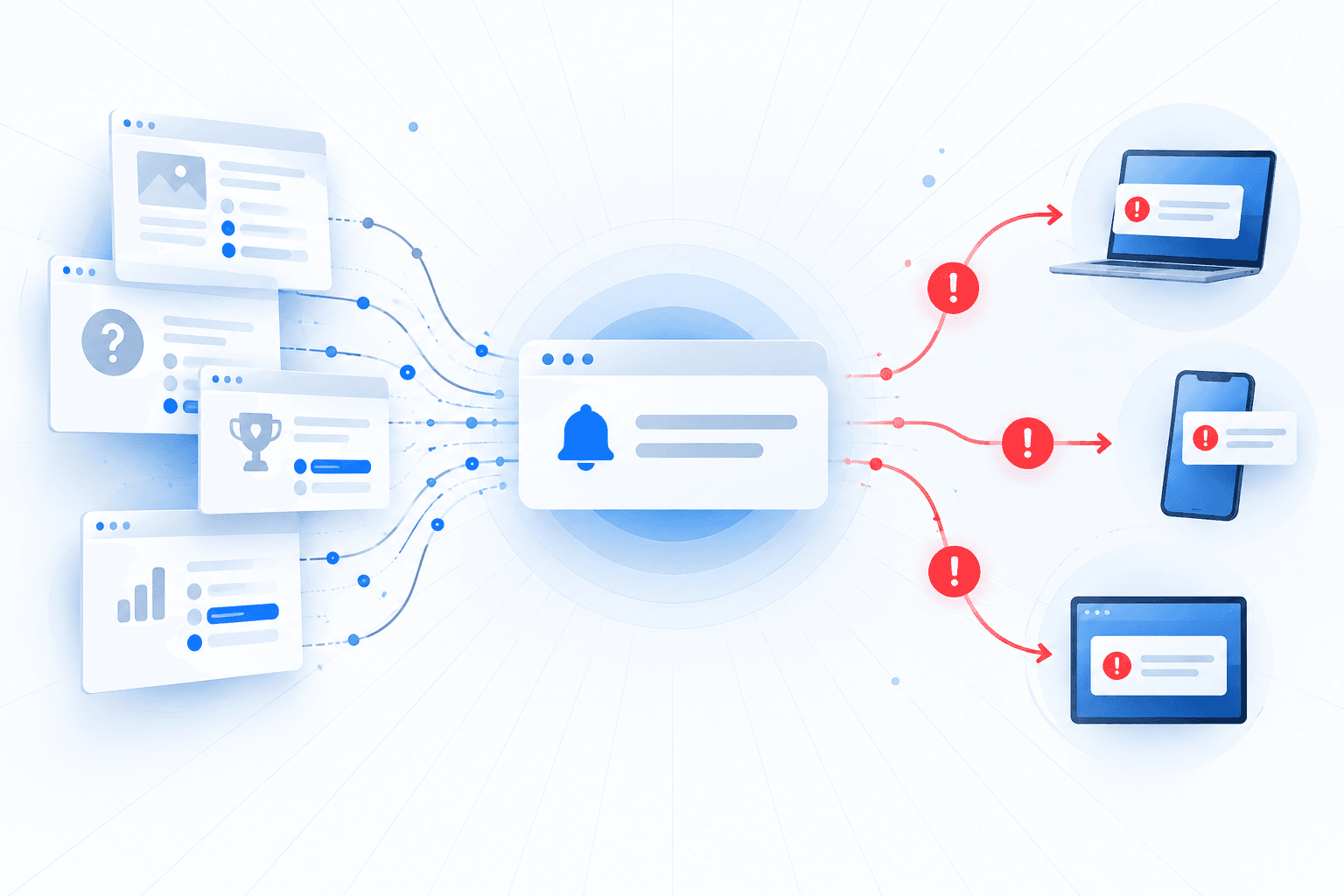
Scammers are using deceptive quizzes and sensational articles to obtain browser notification permissions, then deliver persistent advertising, scareware, and fraudulent alerts after visitors leave the sites. Malwarebytes investigated quiz-related notifications after customers reported apparent infections despite clean malware scans; some sites misleadingly presented notification permission as necessary to start a quiz. Separately, HUMAN Security’s Satori researchers documented Pushpaganda, an operation that attracted visitors through sensational content appearing in Google Discover and subsequently sent fake arrest warrants, false financial alerts, and notifications impersonating missed calls from relatives.

Satori observed roughly 240 million advertising bid requests associated with Pushpaganda domains during a single seven-day period at its peak; that figure measures advertising activity, not confirmed victims or infections. Granting notification permission does not itself install malware, but it gives deceptive sites a persistent channel for fraudulent messages. Users can stop these notifications by revoking the originating website’s notification permission in browser settings or using supported built-in unsubscribe controls; support teams investigating apparent infections should check website notification permissions alongside malware scans.

Is your org in this campaign?Get the infrastructure and lures behind it.
Hunt this campaign
Event timeline

How this story unfolded

Events from the most recent confirmed update back to the earliest known activity.

3 events
  1. Reported Nov 12, 20265d ago

    HUMAN Security discloses Pushpaganda notification-abuse operation

    On April 14, with no year specified in the references, HUMAN Security’s Satori researchers published findings on Pushpaganda, which attracted visitors through sensational content appearing in Google Discover and subsequently sent deceptive notifications, including fake arrest warrants and purported missed calls from relatives. Researchers observed approximately 240 million advertising bid requests associated with its domains during one peak seven-day period, not a count of victims or infections.

    Why scammers want you to allow push notifications | Malwarebytes
  2. Reported Nov 12, 20265d ago

    Malwarebytes publishes findings on deceptive quiz-site notification prompts

    On March 9, with no year specified in the references, Malwarebytes published its investigation into quiz sites that misleadingly presented browser notification permission as necessary to participate. Clicking “Start the quiz” triggered a legitimate browser permission prompt while the webpage instructed visitors to click “Allow.”

    Why scammers want you to allow push notifications | Malwarebytes
  3. Reported Nov 12, 20265d ago

    Malwarebytes traces apparent infections to abusive web push notifications

    After customers reported apparent infections despite clean malware scans, Malwarebytes’ Malware Removal Support team examined their screenshots and identified web push notifications as the source of the alarming messages.

    Why scammers want you to allow push notifications | Malwarebytes
Do you run this?Get the infrastructure, lures, and IOCs behind this campaign, ready to push into your email and identity stack.
Hunt This Campaign
Mallory platform

See the full picture, correlated to your attack surface.

This page covers what’s public. Mallory adds the parts that aren’t: which of your assets are affected, which threat actors are using it right now, and what to deploy next.

Exposure mappingMap indicators from this story to your assets and identify affected systems in minutes.
Threat actor evidenceEvery observed campaign, victim, and pivot linked to actors named in this story.
Associated malwareMalware, exploits, and IOCs connected to the activity described here.
Detection signaturesYARA, Sigma, and Snort rules deployed to your SIEM as soon as they’re published.
Scheduled alertsGet matching new stories delivered to your team as they break, not the next morning.
AI threadsAsk questions about this story and take action on the answers.