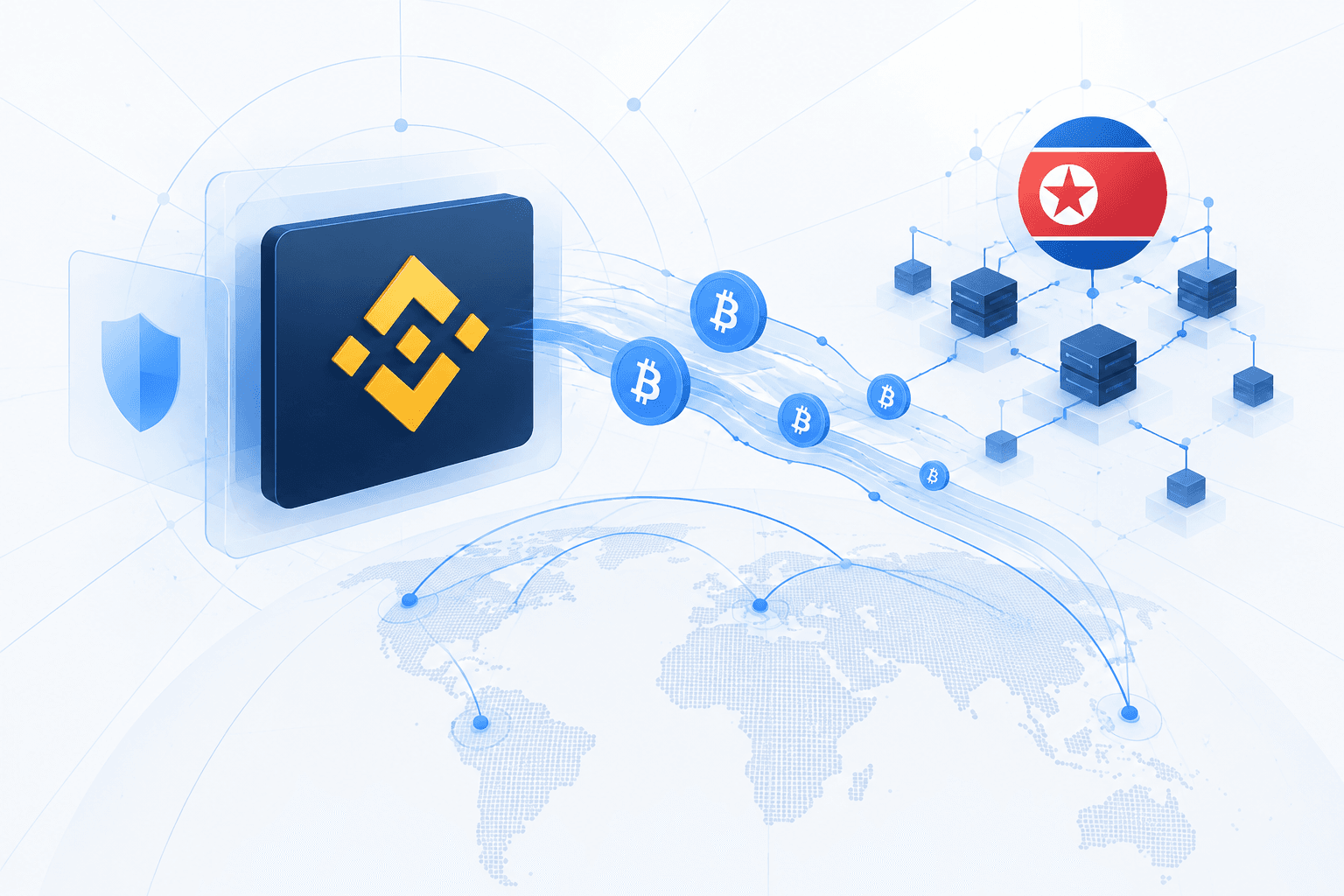
North Korean Hackers Abuse Ethereum Authorizations in $6.34 Billion Binance Theft
Emerging Technology Risk · 7 sources · Updated 7h ago · First seen Nov 13, 2026

Attackers stole approximately $6.34 billion from at least 11 Binance wallets on October 29, 2026, after compromising developers and obtaining wallet-signing privileges, according to reporting citing the FBI, which attributed the attack to North Korea’s TraderTraitor group. The attackers abused Ethereum EIP-7702 authorizations to install malicious sweeper code that bypassed normal withdrawal controls and continued operating after Binance suspended withdrawals. Internal systems alerted within minutes, but unauthorized transfers continued for nearly four hours. Binance reportedly froze and recovered approximately $2.85 billion in attempted stolen assets. Separately, U.S. authorities reported freezing more than $2.7 billion associated with the theft, with court orders authorizing seizure or continued holding of more than $1.2 billion; these figures should not be treated as additive.
The Justice Department also announced action against FaceStealer, a separate North Korean campaign allegedly responsible for more than $400 million in losses over 18 months. Operators use hijacked accounts, stolen webcam footage and, in some cases, AI-generated deepfakes to impersonate contacts and deliver malicious video-meeting invitations. Fake troubleshooting prompts then induce victims to install malware; open-source maintainers are among the targets. The Binance breach underscores the need to protect developer environments, monitor wallet-signing authorizations, and rehearse rapid authorization revocation, wallet isolation and asset freezing. For impersonation attacks, the FBI recommends independently verifying meeting invitations, avoiding terminal commands offered as meeting fixes, and securing accounts and cryptocurrency wallets.