Mallory
← Back to News
botnet-infrastructureloader-delivery-mechanismdefense-evasion-methoddefault-credential-exposure

Hajime Retrospective Details Hex-Delivered ARM Downloader and IoT Evasion

Malware Intelligence · 2 sources · Updated 2d ago · First seen Nov 13, 2026
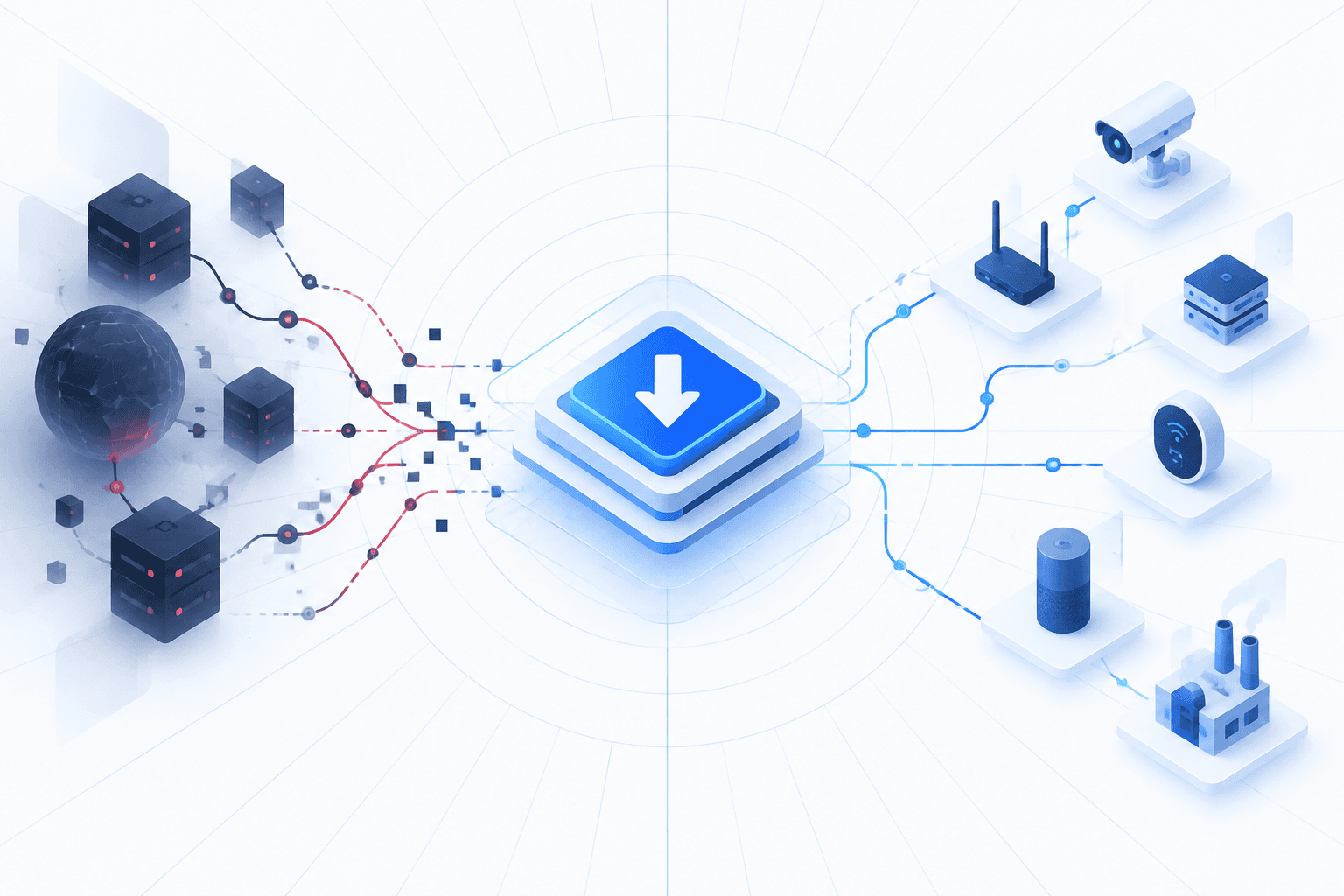
Hajime Retrospective Details Hex-Delivered ARM Downloader and IoT Evasion

MalwareMustDie published a retrospective analysis of Linux/Hajime infections observed approximately six years earlier, documenting 3,029 infected IP addresses across 111 countries, with Taiwan’s HINET and South Korea’s KIXS leading the counts. The research describes IoT compromise through exposed services and default credentials, with propagation using TFTP, HTTP downloads through wget, and hexadecimal-string delivery of a 480-byte ARM ELF downloader. The findings concern historical activity rather than a newly confirmed outbreak.

The analysis highlights evasion through low-level socket operations, downloader deletion after payload delivery, and a custom-packed payload. Hajime also disguises itself as telnetd, disables hardware watchdogs, modifies firewall rules, and uses DHT and NTP routines to generate daily lookup keys. Its modular design and peer-to-peer propagation complicate detection based solely on HTTP traffic or persistent downloader files. Defenders should restrict exposed IoT management services, replace default credentials, and investigate unexpected firewall changes and telnetd activity. Detection material accompanies the research, but CyberVeille cautions that automatically extracted indicators have not been externally verified and should be validated before operational use.


Hunt this familyPull IOCs and campaign context straight into your stack.
Get the IOCs
Event timeline

How this story unfolded

Events from the most recent confirmed update back to the earliest known activity.

2 events · Nov 11, 2026
  1. Nov 11, 20267d ago

    MalwareMustDie publishes retrospective Hajime analysis and detection material

    MalwareMustDie researcher @unixfreaxjp published report MMD-0070-2026, detailing a hexstring-delivered, 480-byte ARM ELF downloader, socketcall-based tracing evasion, and the bot's host modifications and DHT operations. The research also provides detection material for YARA, Sigma, Snort, Suricata, and osquery, alongside STIX 2.1 indicators.

    Malware Must Die!: MMD-0070-2026 - Once upon a time, Linux/Hajime hexstring-pushed a tiny ARM ELF fileless downloader
  2. Reported Nov 11, 20267d ago

    Linux/Hajime infections observed across 111 countries

    A historical Linux/Hajime investigation identified 3,029 infected IP addresses across 111 countries, with concentrations in Taiwan's HINET and South Korea's KIXS networks. The infections targeted IoT devices and used TFTP, HTTP downloads through wget, and hexstring pushing to propagate.

    Malware Must Die!: MMD-0070-2026 - Once upon a time, Linux/Hajime hexstring-pushed a tiny ARM ELF fileless downloader
Linked entities

Related entities

Vulnerabilities, threat actors, malware, products, organizations, and breaches Mallory has linked to this story.

Open in app →

Malware

2 linked

Organizations

2 linked
KT CorporationChunghwa Telecom
Do you run this?Pull the IOCs, campaigns, and victimology behind this family, ready to push into your SIEM and EDR.
Hunt This Malware
Mallory platform

See the full picture, correlated to your attack surface.

This page covers what’s public. Mallory adds the parts that aren’t: which of your assets are affected, which threat actors are using it right now, and what to deploy next.

Exposure mappingMap indicators from this story to your assets and identify affected systems in minutes.
Threat actor evidenceEvery observed campaign, victim, and pivot linked to actors named in this story.
Associated malwareMalware, exploits, and IOCs connected to the activity described here.
Detection signaturesYARA, Sigma, and Snort rules deployed to your SIEM as soon as they’re published.
Scheduled alertsGet matching new stories delivered to your team as they break, not the next morning.
AI threadsAsk questions about this story and take action on the answers.