Mallory
← Back to News
initial-access-methodloader-delivery-mechanismphishing-campaign-intelligencepayload-delivery-evasion

Malicious Job-Offer ZIP Uses Git Filters and Hooks to Trigger a Downloader

Attack Tradecraft · 4 sources · Updated 3d ago · First seen Nov 14, 2026
Malicious Job-Offer ZIP Uses Git Filters and Hooks to Trigger a Downloader

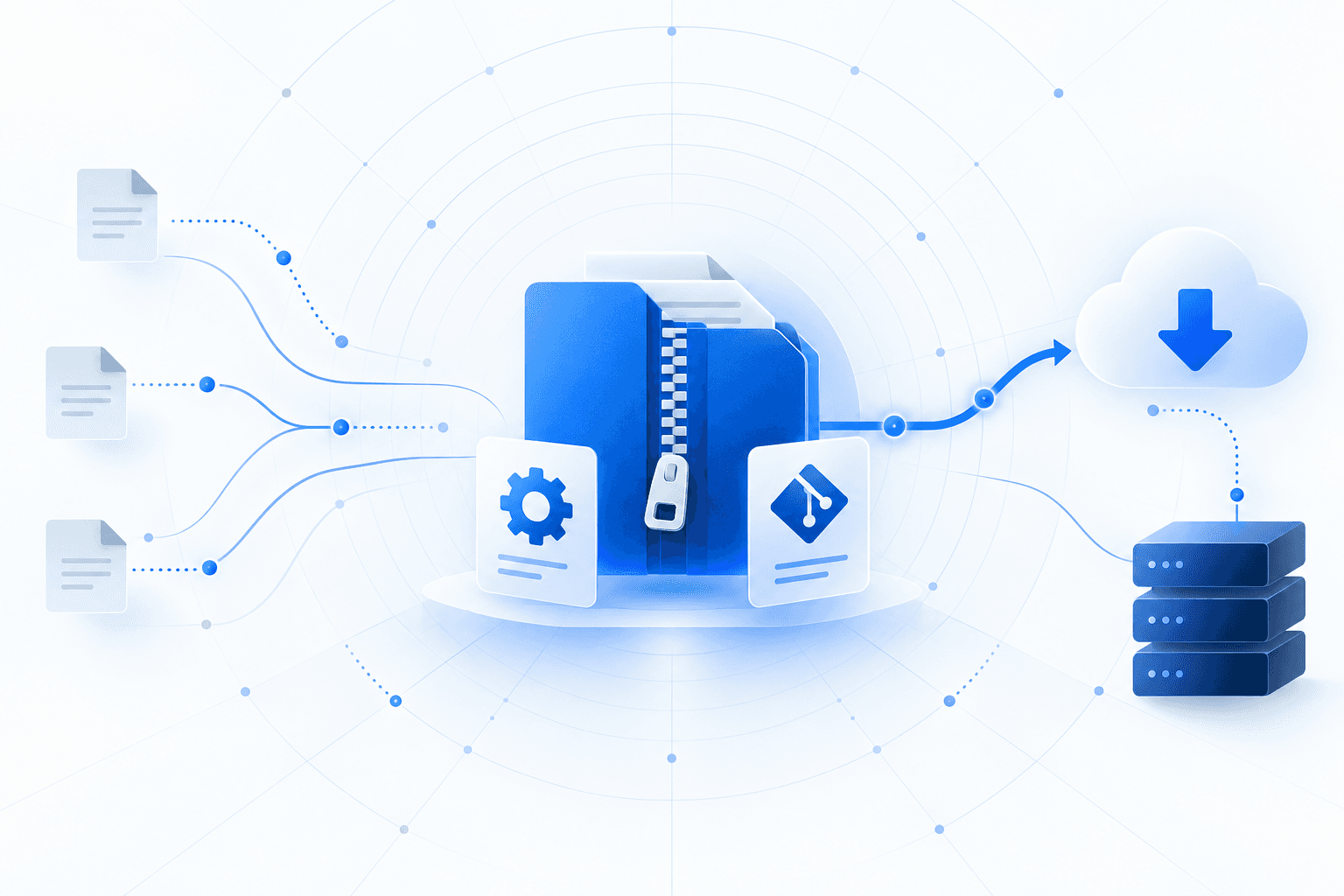
Developer Evgeny Igumnov reported receiving a LinkedIn recruitment message from someone claiming to represent Cryptic Heaven, a purported cryptocurrency financial-services company, that supplied a malicious project archive named Contract-2026.zip. The archive preserved an attacker-controlled .git directory containing local configuration, a clean filter linked to .git/ltr, and a redirected post-checkout hook. Together, these components could trigger a downloader during routine Git activity under certain conditions, including status checks and branch switches. IDE Git integrations and Git-aware terminal prompts offered potential automatic execution paths. The technique depended on shipping repository metadata inside a ZIP, rather than delivering it through a normal Git clone.

The downloader attempted to retrieve and execute remote code on Linux, macOS, and Windows, including through PowerShell, while suppressing visible output. Igumnov verified the filter-triggering mechanism in a harmless test repository, but the reports did not establish successful infection or the final payload’s capabilities. Downloading or extracting the archive alone was not identified as an execution trigger; exposure depended on subsequent Git or project activity. Security teams should treat unsolicited recruitment repositories as untrusted, inspect bundled Git metadata before allowing development tools to interact with them, and investigate whether execution occurred. Where execution is suspected, containment and credential recovery should accompany endpoint checks, because a clean antivirus scan cannot exclude earlier compromise.
Who uses this technique?Get the actors, campaigns, and ATT&CK mapping behind it.
Get the tradecraft
Event timeline

How this story unfolded

Events from the most recent confirmed update back to the earliest known activity.

3 events · Nov 2026
  1. Reported Nov 14, 20264d ago

    Harmless tests confirm Git status and branch-switching execution paths

    The developer used a safe test repository and a harmless logging script to verify that git status could invoke the configured clean filter. Branch switching also triggered a redirected post-checkout hook that ran git status.

    How I received a job offer, and they hid a way to launch malicious code through Git inside the ZIP : r/netsec
  2. Reported Nov 14, 20264d ago

    Developer receives Cryptic Heaven recruitment lure carrying a malicious repository

    A recruiter claiming to represent Cryptic Heaven contacted developer Evgeny Igumnov on LinkedIn and directed him to a contract page delivering Contract-2026.zip. The archive included attacker-controlled local Git configuration and instructions to switch branches to review employment documents and project code.

    How I received a job offer, and they hid a way to launch malicious code through Git inside the ZIP : r/netsec
  3. Nov 2026

    Igumnov publishes analysis of the Git-based job-offer trap

    In November 2026, Igumnov published an analysis showing how the archive's clean filter and redirected hook could launch a background downloader with Linux, macOS, and Windows execution paths. The report did not establish successful infection or the remote payload's capabilities; extracting the archive alone would not trigger execution.

    Git Status Can Run Job-Offer Malware: Windows Checks
Linked entities

Related entities

Vulnerabilities, threat actors, malware, products, organizations, and breaches Mallory has linked to this story.

Open in app →

Affected products

1 linked
Git

Organizations

1 linked
Cryptic Heaven
Do you run this?Get the adversaries, campaigns, and ATT&CK mapping behind this technique, with detections ready to deploy.
See Who Uses This Technique
Mallory platform

See the full picture, correlated to your attack surface.

This page covers what’s public. Mallory adds the parts that aren’t: which of your assets are affected, which threat actors are using it right now, and what to deploy next.

Exposure mappingMap indicators from this story to your assets and identify affected systems in minutes.
Threat actor evidenceEvery observed campaign, victim, and pivot linked to actors named in this story.
Associated malwareMalware, exploits, and IOCs connected to the activity described here.
Detection signaturesYARA, Sigma, and Snort rules deployed to your SIEM as soon as they’re published.
Scheduled alertsGet matching new stories delivered to your team as they break, not the next morning.
AI threadsAsk questions about this story and take action on the answers.