New Zealand Critical Infrastructure Cyber Rules Remain Pending as NCSC Warns of AI Threats
Regulatory & Policy · 2 sources · Updated 3d ago · First seen Nov 14, 2026

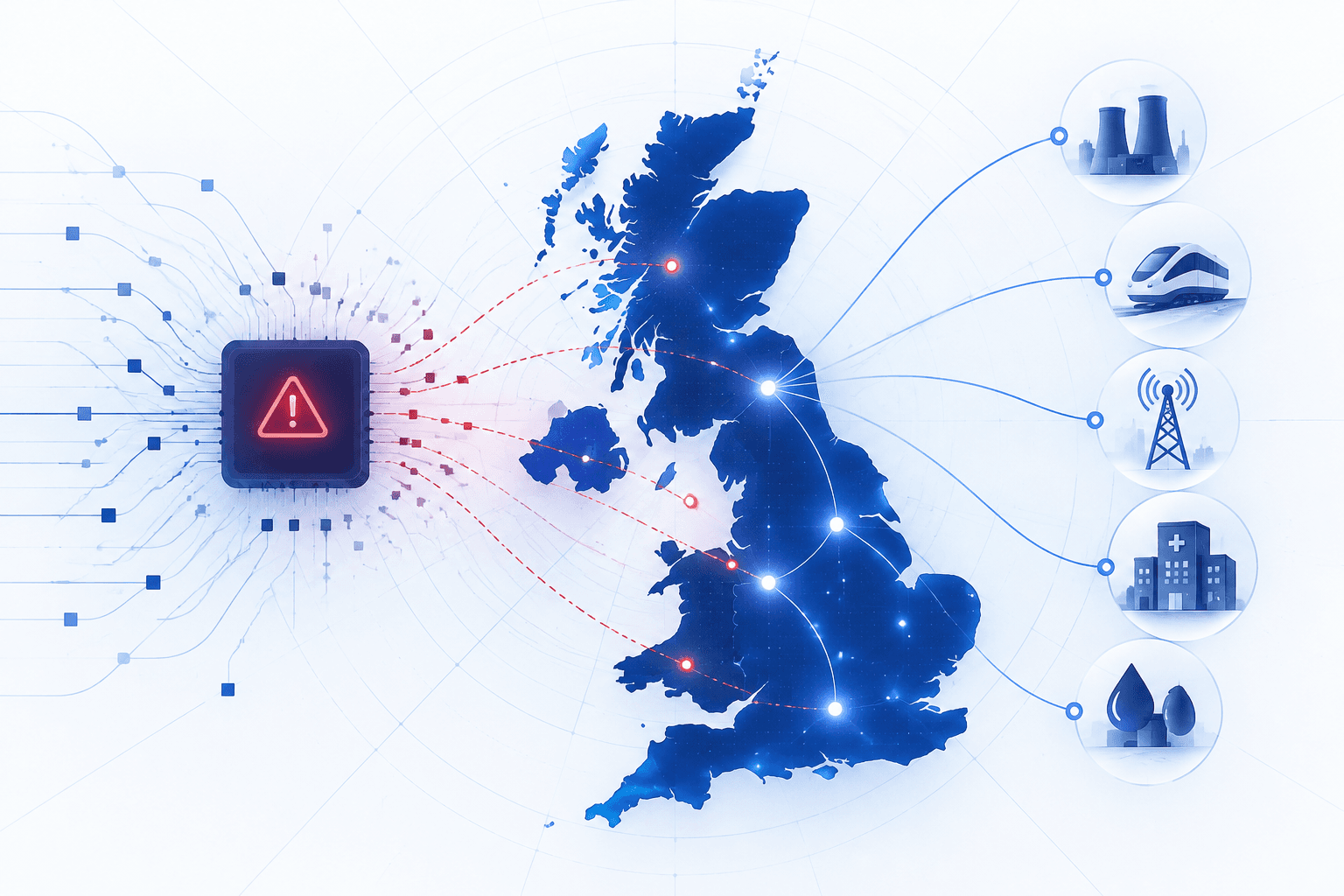
New Zealand officials are still developing policies to strengthen critical infrastructure cyber security more than seven months after public consultation closed, with advice to ministers intended for early in the next government’s term. The proposals would introduce two new infrastructure categories potentially subject to mandatory minimum security and resilience requirements. Officials have acknowledged that existing regulation does not drive consistent improvements and that New Zealand is falling behind other countries. A Microsoft Outlook outage has renewed scrutiny of technology dependencies and government preparedness, although the supplied reporting does not establish a cyberattack as its cause.
The policy work comes as the National Cyber Security Centre’s Cyber Threat Report 2026 warns that AI is accelerating the speed, scale and sophistication of attacks. The NCSC assesses that malicious actors may gain access by early 2027 to advanced capabilities currently confined to leading frontier models, potentially enabling automated attacks, vulnerability discovery and highly personalised targeting. It also identified a North Korean IT worker clandestinely securing remote work with a New Zealand business, creating sanctions, espionage and extortion risks. The agency urged boards and executives to assess whether their people, processes and resources can withstand faster-moving threats and disruptive incidents with little warning.