PolinRider Targets Developers Through Fake Coding Tests and Compromised npm Packages
Supply Chain Risk · 2 sources · Updated 1d ago · First seen Nov 15, 2026
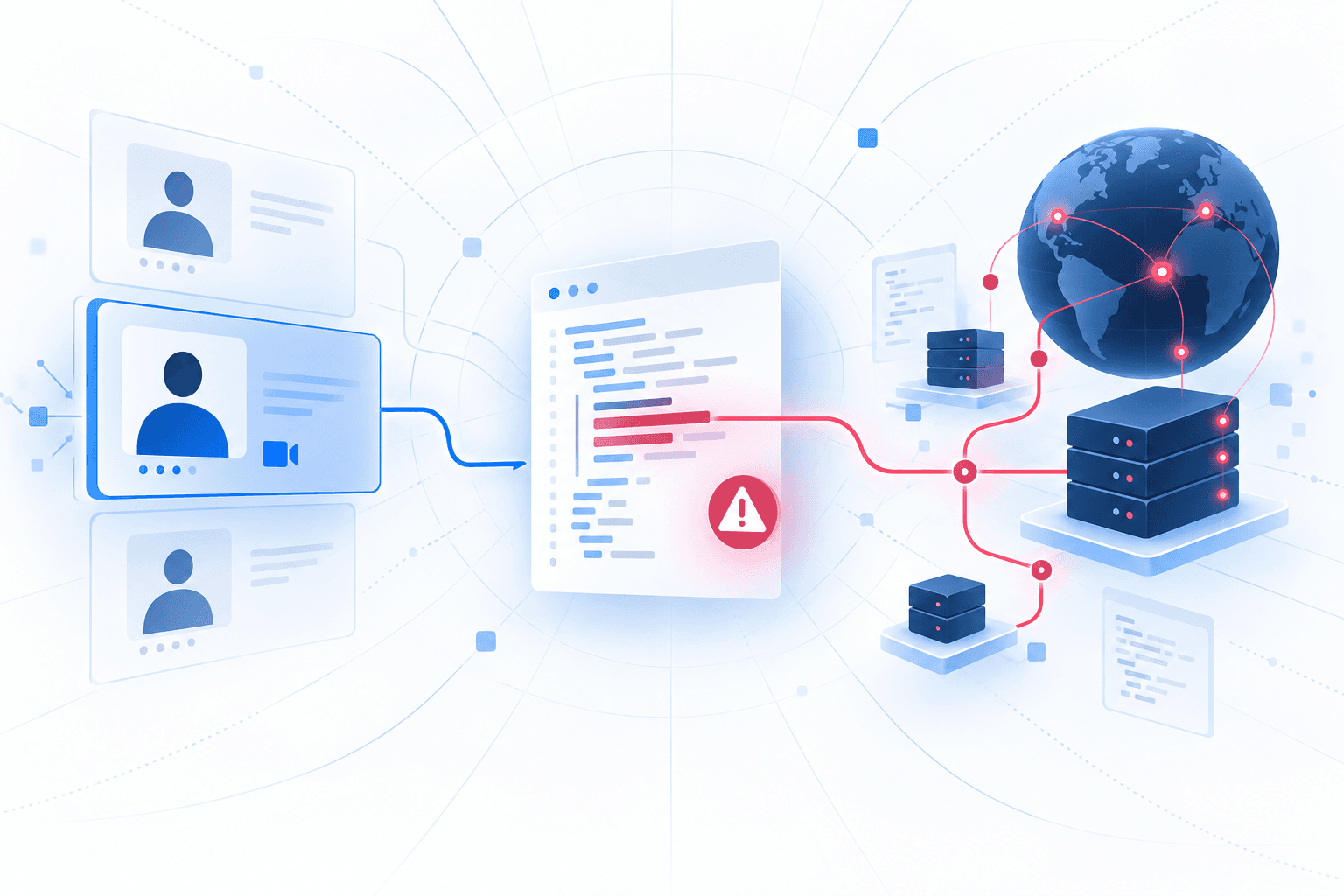
PolinRider malware is targeting developers through fraudulent recruitment and malicious coding assignments, with Abnormal identifying a cross-platform variant that establishes persistence in development tools and collects sensitive information. The malware discovers changing command-and-control addresses through Ethereum transactions, installs persistent Node.js components, and retrieves a Python information stealer. Abnormal assesses a moderate-confidence connection to DPRK-linked Contagious Interview activity. Its report separately describes an October 29 Binance wallet-signing compromise affecting approximately $6.34 billion in digital assets, reportedly attributed by the FBI to DPRK-linked TraderTraitor activity after an engineer encountered a malicious coding assignment. Abnormal did not establish that its analyzed repositories were used against Binance; the incidents should not be treated as a confirmed single intrusion chain.
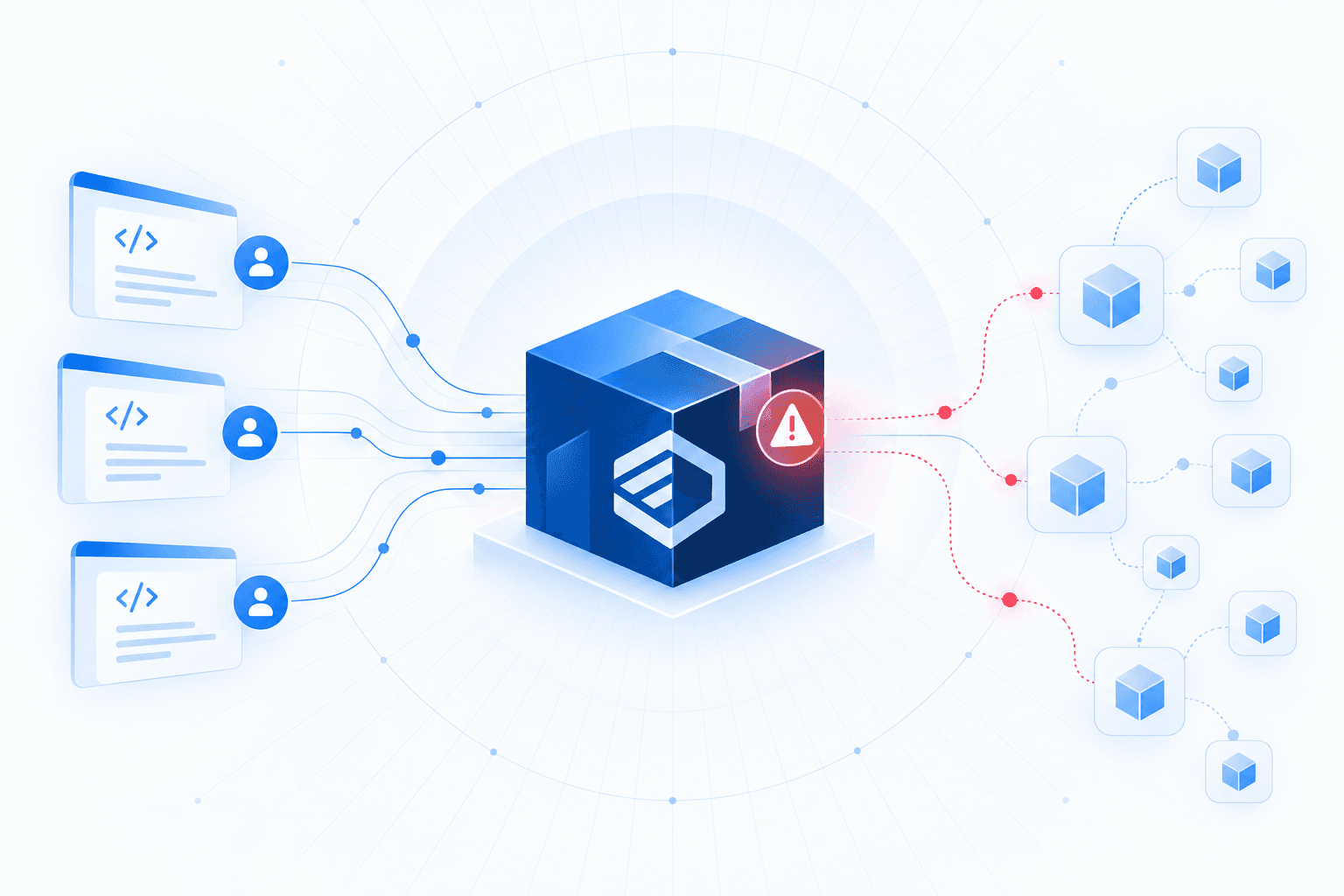
OpenSourceMalware researchers traced related PolinRider activity to a May 2025 npm compromise, extending the documented campaign history by approximately eight months, with supporting blockchain payloads dating to February 7, 2025. Nine package versions from one maintainer appeared within 90 minutes; four recovered versions contained identical malicious JavaScript. The delivery chain used BNB Smart Chain and Ethereum transactions to retrieve components including JADESNOW, an INVISIBLEFERRET bootstrapper, a Node.js remote-access trojan, and a cross-platform Python credential stealer. Shared encryption material, infrastructure, paths, and payload characteristics connect the samples to PolinRider, although the recovered packages lacked its documented self-spreading behavior. Four maintainer GitHub repositories later suffered malicious force-pushes in 2026, without those payloads reaching npm. Defenders should investigate suspicious coding assignments, developer-tool persistence, exposed credentials, and lateral movement, while distinguishing observed collection capabilities from confirmed theft.