Mallory
← Back to News
ai-platform-security

AI-Assisted Development Outpaces Security Review and Release Governance

Emerging Technology Risk · 2 sources · Updated 4d ago · First seen Nov 18, 2026

AI-Assisted Development Outpaces Security Review and Release Governance

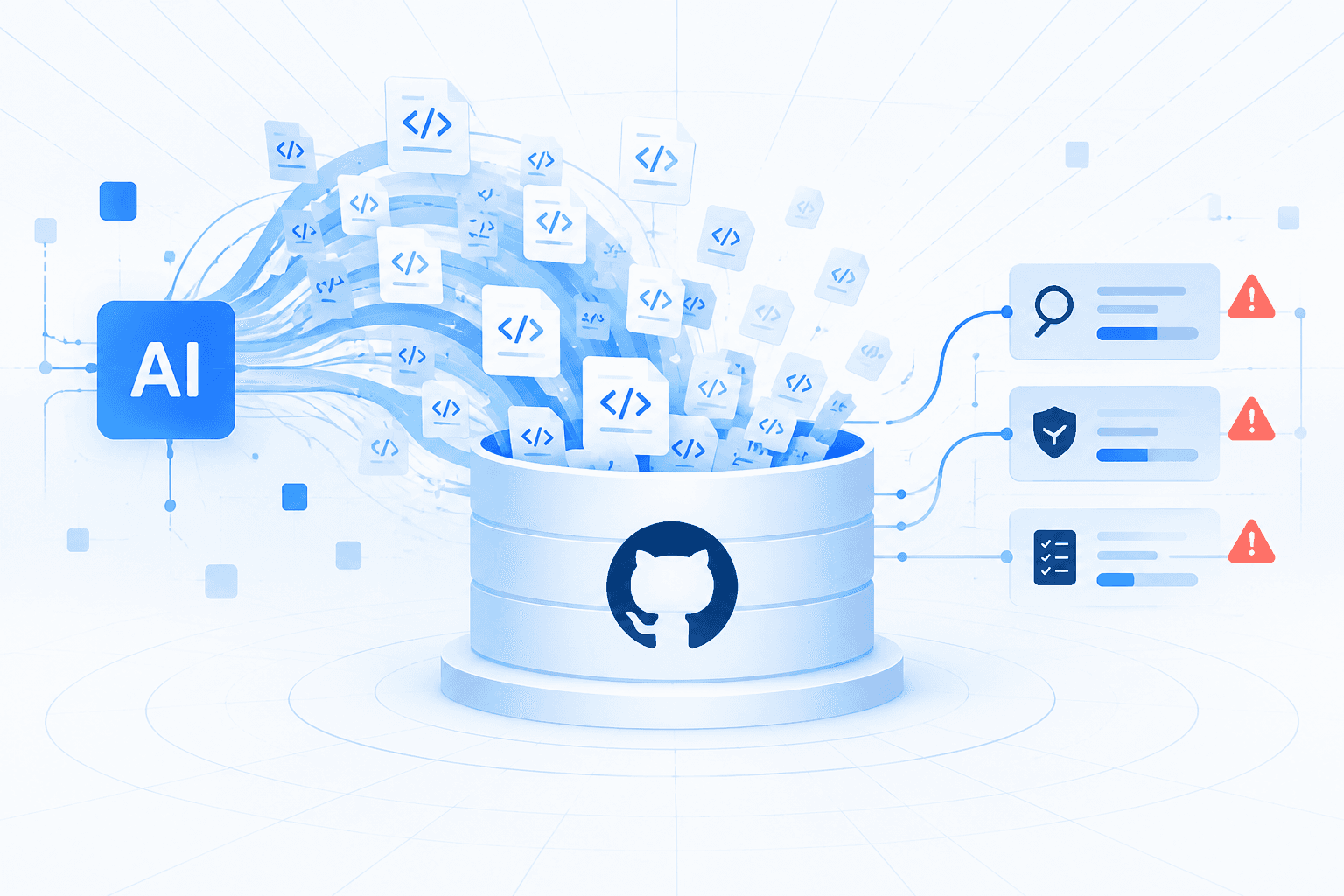
AI-assisted development is increasing software delivery volume faster than security teams can assess changes and document release decisions, according to Chris Hughes’s Resilient Cyber article citing Cytix-commissioned research. Among 250 UK security leaders surveyed, 78% reported mandated AI-assisted development, but only 38% strongly agreed their organizations were prepared for the resulting code volume. Nearly half had approved releases without full confidence in their security, while 53% said findings were frequently outdated before reaching those responsible for acting on them. GitHub’s Octoverse report illustrates the scale of development activity: developers pushed code 17.9 billion times over the preceding 12 months, and agents initiated more than 40% of pull requests by September, up from 17% in March.

The findings point to a broader software-governance gap, not solely vulnerabilities in AI-generated code. Reported incident causes included dependencies, out-of-process changes, misconfigurations, longstanding bugs, AI-generated weaknesses, and unreviewed changes. GitHub also found that new repositories containing agent configuration files averaged eight times as many commits as those without them, an association that underscores review pressure without establishing causation. Hughes advocates timely, change-specific security assessments, scrutiny proportionate to risk, explicit risk acceptance, and continuously collected evidence connecting testing and approval decisions to individual changes.

New surface, new adversariesTrack how attackers are adapting to this technology.
Track this risk
Event timeline

How this story unfolded

Events from the most recent confirmed update back to the earliest known activity.

4 events · 2026
  1. Reported Nov 18, 20264d ago

    Sonar survey identifies a gap between AI code generation and verification

    Sonar’s cited 2027 State of Code Developer Survey of 1,026 developers and engineering managers found that AI generated or significantly assisted 65% of committed code on average. Some 76% of respondents said they generated AI-assisted code faster than they could verify it, while only 39% completely agreed that such code was always checked before commitment.

    Signing Off Anyway - by Chris Hughes - Resilient Cyber
  2. Reported Nov 18, 20264d ago

    Veracode reports improved security pass rates for AI-generated code

    Veracode’s Fall 2026 GenAI Code Security update reported that the average security pass rate increased from 56% to 62%. Approximately four in ten tested generation tasks still produced code containing a known vulnerability.

    Signing Off Anyway - by Chris Hughes - Resilient Cyber
  3. Reported Oct 28, 202625d ago

    GitHub reports record code activity and increased agent-assisted development

    GitHub’s 2026 Octoverse report recorded 17.9 billion code pushes over the preceding 12 months. It found that developers initiated more than 40% of pull requests with an agent as of September, up from 17% in March, and that new repositories with agent configuration files averaged eight times as many commits as those without them.

    Octoverse: Commits, pushes, reach new highs in 2026 as developers build with agents - The GitHub Blog
  4. 2026

    Cytix commissions survey of 250 UK security leaders on software-change risks

    Opinion Matters conducted the survey between late July and early August 2026. It found that 78% of respondents reported mandated AI-assisted development, 48% had approved releases without full confidence in their security, and 53% said security findings were frequently outdated before reaching those responsible for acting.

    Signing Off Anyway - by Chris Hughes - Resilient Cyber
Do you run this?Follow how adversaries are adapting to this technology, and where it touches your stack today.
Track This Risk
Mallory platform

See the full picture, correlated to your attack surface.

This page covers what’s public. Mallory adds the parts that aren’t: which of your assets are affected, which threat actors are using it right now, and what to deploy next.

Exposure mappingMap indicators from this story to your assets and identify affected systems in minutes.
Threat actor evidenceEvery observed campaign, victim, and pivot linked to actors named in this story.
Associated malwareMalware, exploits, and IOCs connected to the activity described here.
Detection signaturesYARA, Sigma, and Snort rules deployed to your SIEM as soon as they’re published.
Scheduled alertsGet matching new stories delivered to your team as they break, not the next morning.
AI threadsAsk questions about this story and take action on the answers.