Mallory
← Back to News
standards-framework-updatepost-quantum-cryptography

Let's Encrypt Cuts Certificate Lifetimes to 64 Days, Then 45 Days

Regulatory & Policy · 2 sources · Updated 5d ago · First seen Oct 9, 2026
Let's Encrypt Cuts Certificate Lifetimes to 64 Days, Then 45 Days

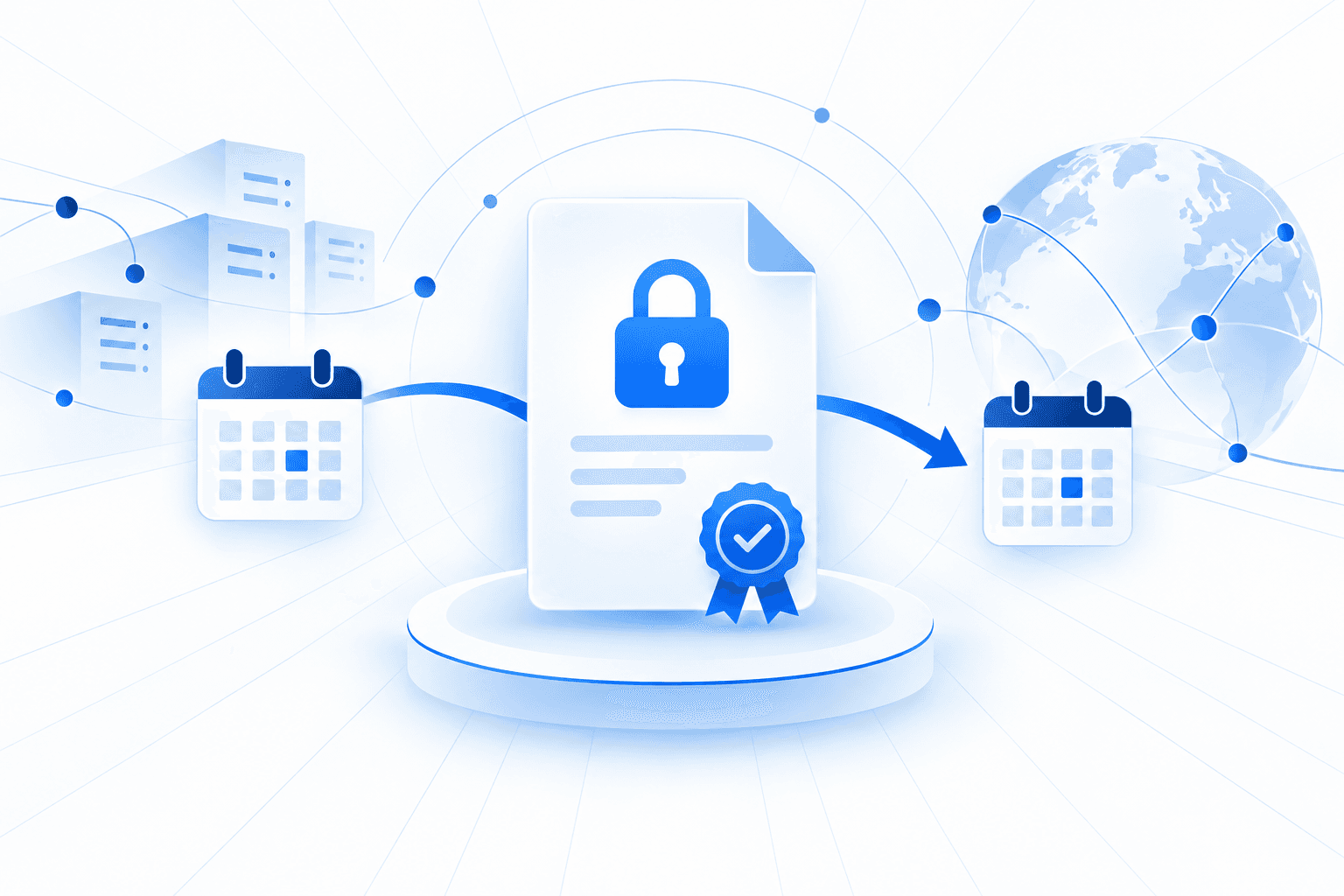
Let's Encrypt will shorten its default TLS certificate lifetime from 90 days to 64 days on February 10, 2027, and to 45 days on February 16, 2028. Authorization reuse periods will also shrink to 10 days in February 2027 and seven hours in February 2028, requiring more frequent domain validation. The changes precede the CA/Browser Forum's industry-wide maximum certificate lifetime of 47 days scheduled for March 2029. Shorter lifetimes reduce the exposure window from compromised keys or misissued certificates but increase the operational consequences of unreliable renewal processes.

Organizations should inventory publicly trusted certificates, automate issuance and renewal through ACME, and monitor renewal health continuously. Scott Helme recommends ACME Renewal Information (ARI) where supported or renewal schedules tied to certificate validity, warning that fixed 60-day renewal schedules will become unsafe as lifetimes shrink. Red Sift recommends testing the entire lifecycle—including issuance, distribution, and service reloads—to prevent outages. Its guidance also highlights a parallel post-quantum migration challenge involving certificate formats, signing algorithms, browser compatibility, and constrained devices; supported infrastructure can begin adopting hybrid post-quantum key exchange.

What this changes for youSee the reporting duties and controls this puts on the clock.
Get the context
Event timeline

How this story unfolded

Events from the most recent confirmed update back to the earliest known activity.

3 events
  1. Reported Oct 9, 20262mo ago

    Let's Encrypt announces its first default certificate-lifetime reduction

    Let's Encrypt announced plans to shorten default certificate validity from 90 to 64 days on February 10, 2027, then to 45 days on February 16, 2028. Authorization reuse is scheduled to fall to 10 days and seven hours, respectively, with 64-day staging issuance scheduled for October 14, 2026.

    The First Reduction in Their History: 64-Day Let's Encrypt Certificates
  2. Reported Jul 31, 20264mo ago

    Let's Encrypt technical lead discusses shorter lifetimes and migration risks

    In a Red Sift webinar, Let's Encrypt SRE technical lead Matthew McPherrin discussed planned certificate-lifetime and authorization-reuse reductions. He emphasized reliable renewal automation and monitoring, alongside adopting TLS 1.3 and hybrid post-quantum key exchange where supported.

    Let's Encrypt webinar: shorter certificate lifecycles | Red Sift
  3. Reported Jul 31, 20264mo ago

    CA/Browser Forum establishes phased reductions in TLS certificate lifetimes

    Ballot SC-081 established maximum certificate lifetimes of 200 days from March 2026, 100 days from March 2027, and 47 days from March 2029. The requirements also shorten domain-validation data reuse periods.

    Let's Encrypt webinar: shorter certificate lifecycles | Red Sift
Linked entities

Related entities

Vulnerabilities, threat actors, malware, products, organizations, and breaches Mallory has linked to this story.

Open in app →

Organizations

1 linked
Let's Encrypt
Do you run this?See what this changes for your reporting obligations and which controls it puts on the clock.
Get the Regulatory Context
Mallory platform

See the full picture, correlated to your attack surface.

This page covers what’s public. Mallory adds the parts that aren’t: which of your assets are affected, which threat actors are using it right now, and what to deploy next.

Exposure mappingMap indicators from this story to your assets and identify affected systems in minutes.
Threat actor evidenceEvery observed campaign, victim, and pivot linked to actors named in this story.
Associated malwareMalware, exploits, and IOCs connected to the activity described here.
Detection signaturesYARA, Sigma, and Snort rules deployed to your SIEM as soon as they’re published.
Scheduled alertsGet matching new stories delivered to your team as they break, not the next morning.
AI threadsAsk questions about this story and take action on the answers.