Mallory
← Back to News
standards-framework-update

Let’s Encrypt Makes Six-Day TLS and IP Address Certificates Generally Available

Regulatory & Policy · 4 sources · Updated 5d ago · First seen Dec 6, 2024
Let’s Encrypt Makes Six-Day TLS and IP Address Certificates Generally Available

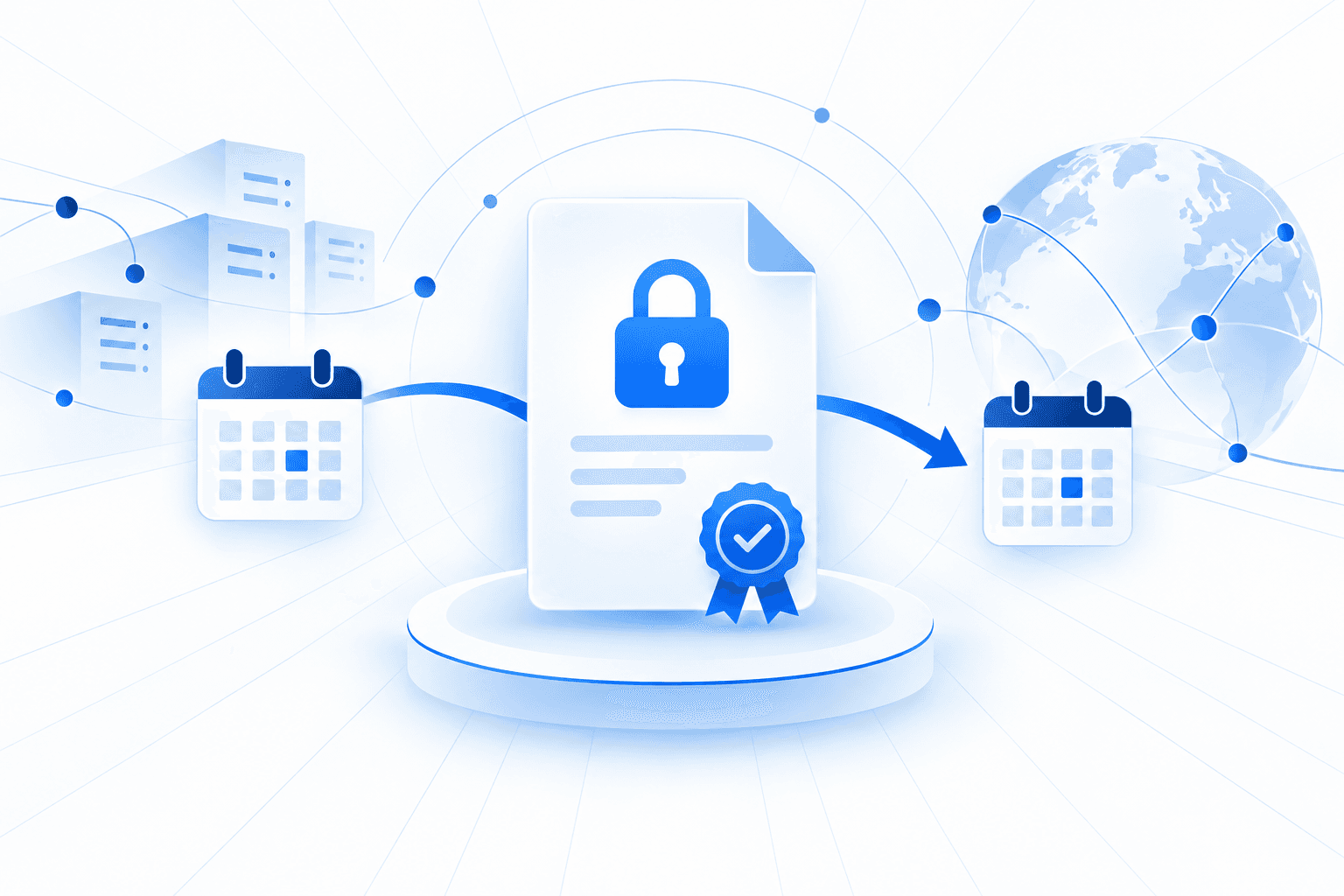
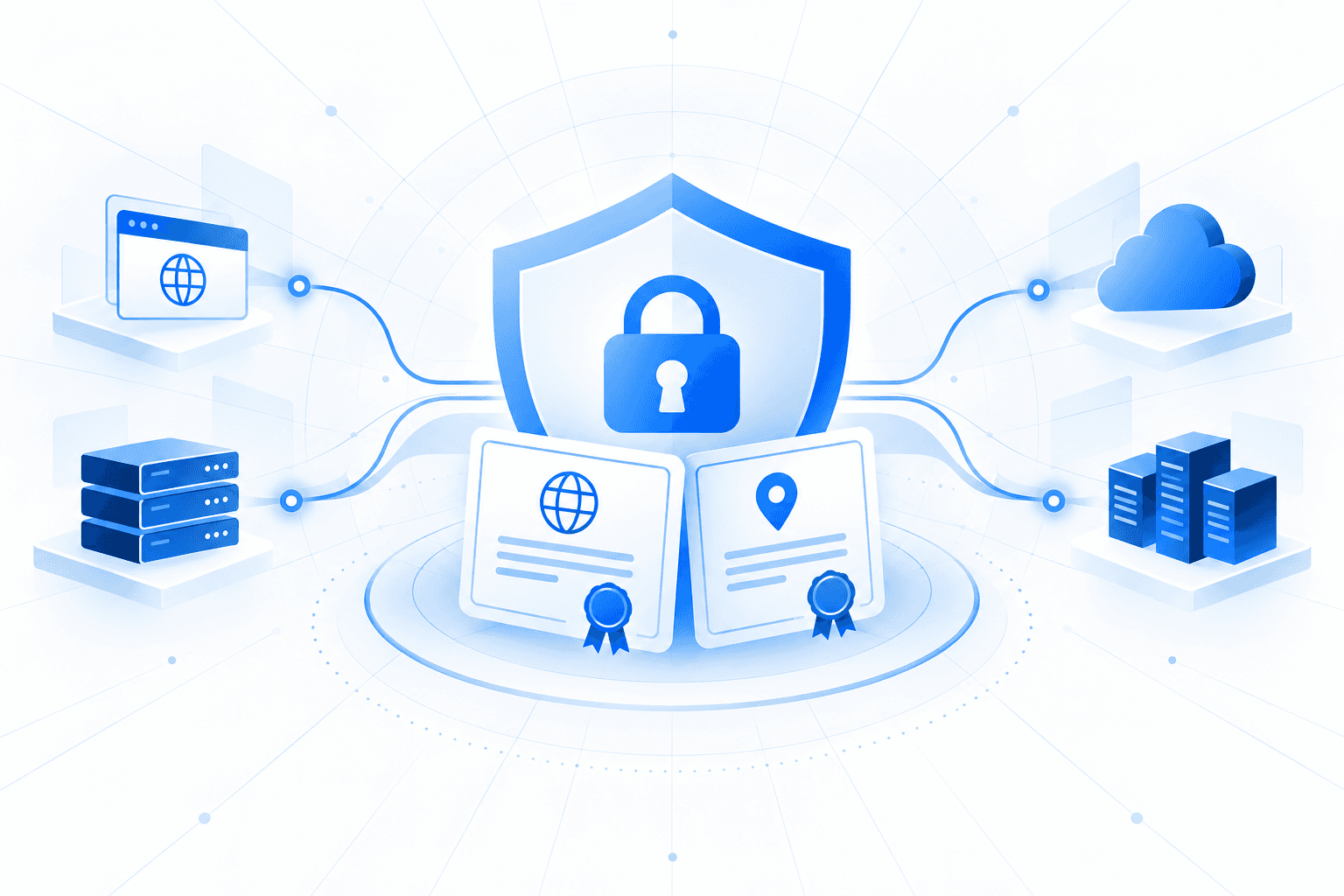
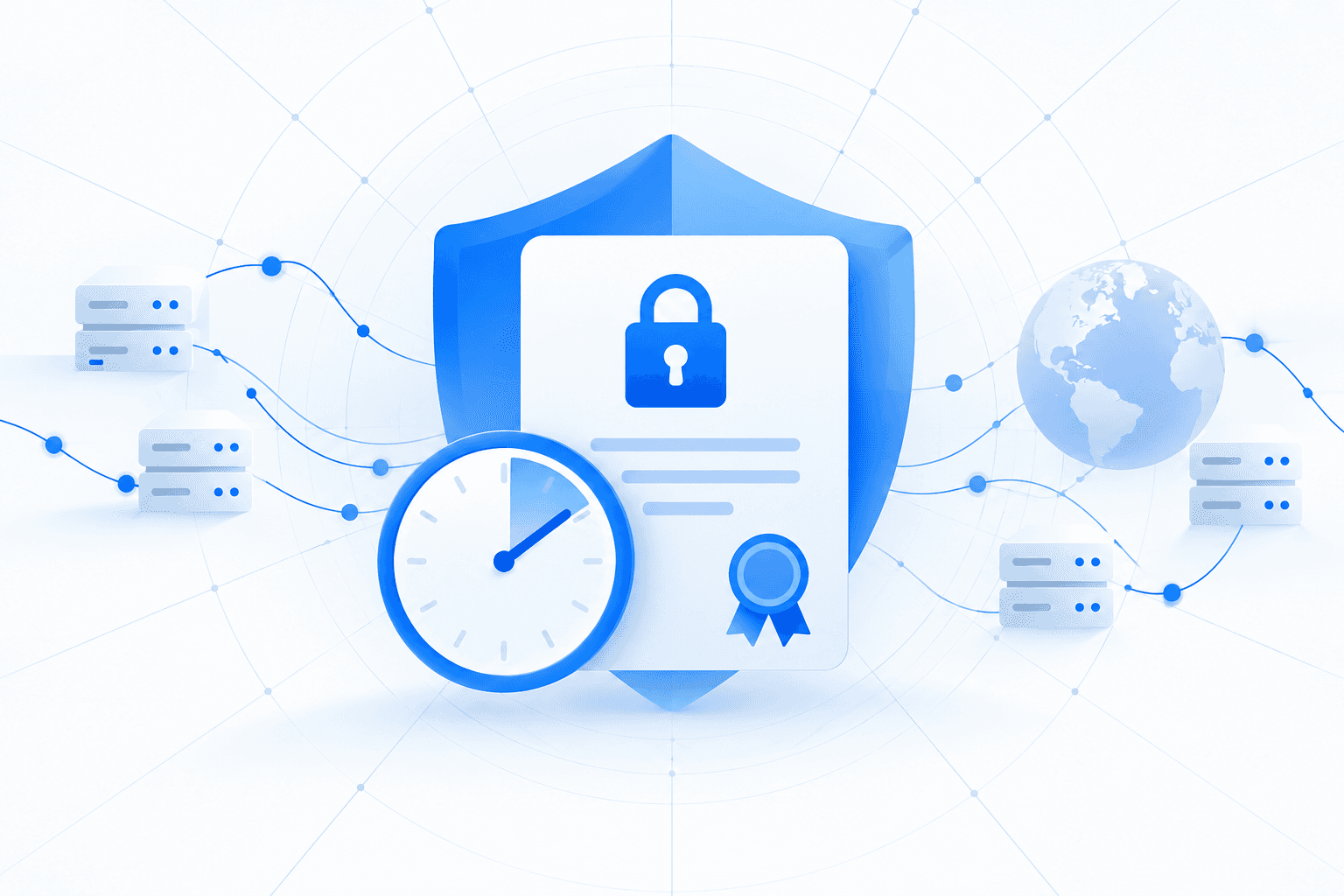
Let’s Encrypt made six-day TLS certificates and IP address certificates generally available on January 15, 2026, expanding options for securing websites and services exposed directly by IP address. Originally announced in January 2025 with availability targeted for that year’s end, the short-lived certificates reduce the exposure window after private-key compromise and lessen reliance on revocation mechanisms. They omit OCSP and CRL URLs, while 90-day certificates remain available alongside the new option. IP addresses can be included as Subject Alternative Names in six-day certificates; validation supports the http-01 and tls-alpn-01 ACME challenges, but not dns-01, and CAA checks are not possible for IP addresses.

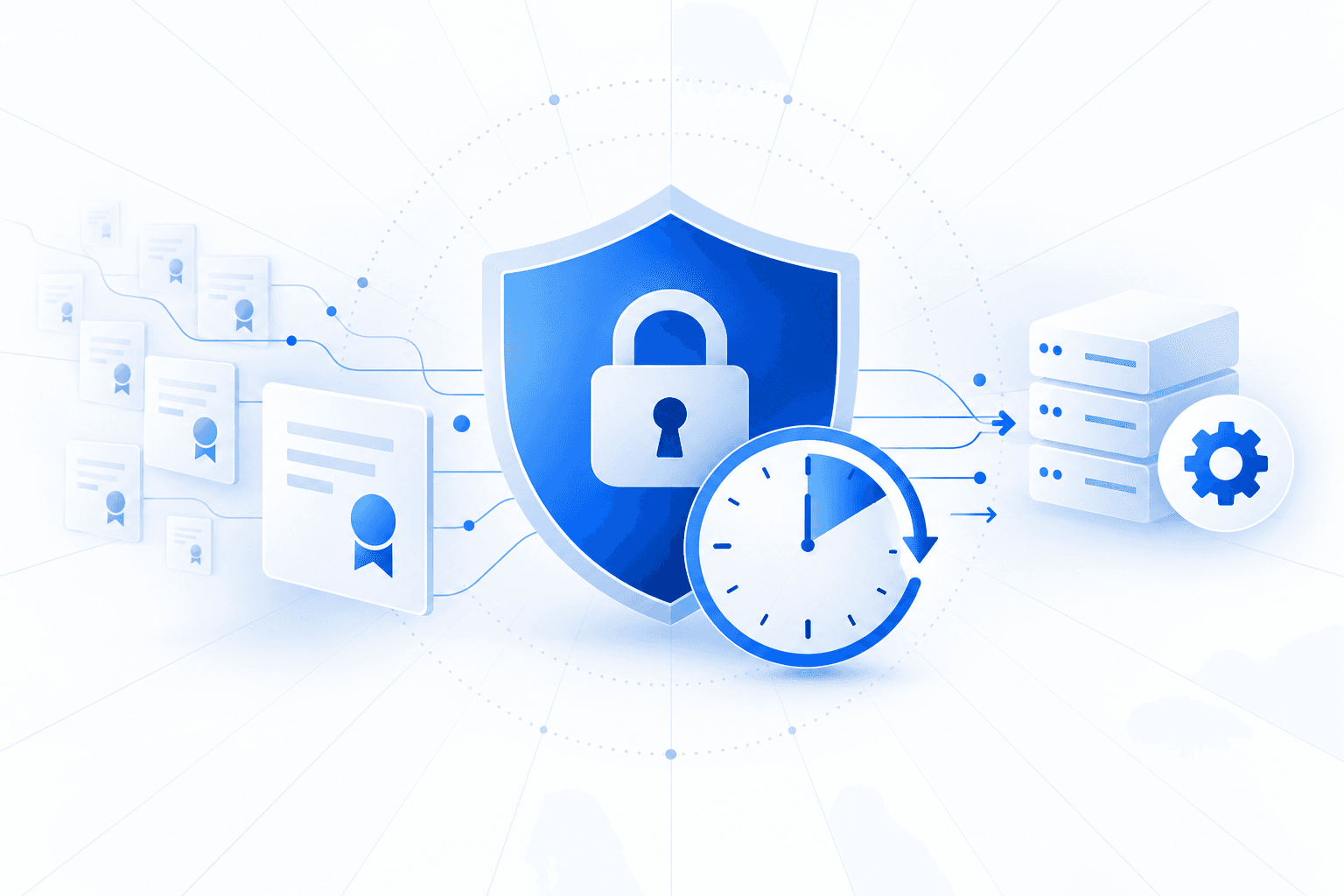
Adoption requires automated certificate management through ACME clients that support certificate profiles. ACME, standardized as RFC 8555 in 2019, provides the issuance and renewal foundation. Let’s Encrypt’s ACME Renewal Information (ARI), live in production since 2023, lets the certificate authority signal renewal windows, including urgent early renewals associated with revocation, while helping spread renewal traffic and reduce service disruption. Organizations adopting six-day certificates should verify client compatibility, test issuance and renewal workflows, and independently monitor deployed certificates. Red Sift cautioned that automation failures can still cause expirations and outages, making independent monitoring and expiration alerts important safeguards as renewal windows shrink.
What this changes for youSee the reporting duties and controls this puts on the clock.
Get the context
Event timeline

How this story unfolded

Events from the most recent confirmed update back to the earliest known activity.

9 events · 2015 – Jan 2025
  1. Reported Jan 16, 20252y ago

    Six-day and IP address certificates become generally available

    Let’s Encrypt’s updated announcement states that six-day and IP address certificates became generally available on January 15, 2026. The short-lived certificates omit OCSP and CRL URLs, while IP address validation supports the http-01 and tls-alpn-01 ACME challenges.

    Announcing Six Day and IP Address Certificate Options in 2025 - Let's Encrypt
  2. Jan 2025

    Let’s Encrypt announces six-day and IP address certificate plans

    Let’s Encrypt announced plans to offer optional six-day certificates and certificates for IP addresses, while retaining its existing 90-day certificates. It initially targeted general availability by the end of 2025 and specified ACME certificate profiles for requesting short-lived certificates.

    Six-Day TLS Certificates: What You Need to Know | Red Sift
  3. Dec 6, 20242y ago

    Updated ARI draft published for IETF review

    An updated ARI draft was published on December 6, 2024. Red Sift subsequently identified it as the latest draft and reported that it remained under IETF review.

    Six-Day TLS Certificates: What You Need to Know | Red Sift
  4. Mar 2023

    Let’s Encrypt brings ARI into production

    Let’s Encrypt deployed ACME Renewal Information in production, enabling it to signal routine or urgent early renewals to supporting ACME clients. The feature supports automated responses to certificate revocation and helps distribute renewal traffic.

    Improving Resiliency and Reliability for Let’s Encrypt with ARI - Let's Encrypt
  5. Sep 2021

    First ARI draft submitted to the IETF ACME working group

    Let’s Encrypt engineer Aaron Gable submitted the first ACME Renewal Information draft to the IETF ACME working group.

    Improving Resiliency and Reliability for Let’s Encrypt with ARI - Let's Encrypt
  6. Mar 2020

    Let’s Encrypt initiates ARI standardization work

    An email from Let’s Encrypt engineer Roland Shoemaker began the standardization effort for ACME Renewal Information, intended to let certificate authorities signal renewal timing to clients.

    Improving Resiliency and Reliability for Let’s Encrypt with ARI - Let's Encrypt
  7. Reported Mar 11, 20198y ago

    IETF standardizes ACME; Let’s Encrypt announces ACMEv1 retirement plan

    The IETF standardized ACME as RFC 8555, which Let’s Encrypt treats as ACMEv2. Following standardization, Let’s Encrypt announced an end-of-life plan for its older ACMEv1 implementation.

    The ACME Protocol is an IETF Standard - Let's Encrypt
  8. 2018

    ACME 2.0 introduces wildcard certificate support

    ACME 2.0 was introduced with wildcard certificate support and improved compatibility with certificate-management tools and platforms.

    Six-Day TLS Certificates: What You Need to Know | Red Sift
  9. 2015

    Let’s Encrypt launches using ACMEv1

    Let’s Encrypt launched with its original ACMEv1 implementation for automated certificate issuance and management.

    The ACME Protocol is an IETF Standard - Let's Encrypt
Linked entities

Related entities

Vulnerabilities, threat actors, malware, products, organizations, and breaches Mallory has linked to this story.

Open in app →

Organizations

1 linked
Let's Encrypt
Do you run this?See what this changes for your reporting obligations and which controls it puts on the clock.
Get the Regulatory Context
Mallory platform

See the full picture, correlated to your attack surface.

This page covers what’s public. Mallory adds the parts that aren’t: which of your assets are affected, which threat actors are using it right now, and what to deploy next.

Exposure mappingMap indicators from this story to your assets and identify affected systems in minutes.
Threat actor evidenceEvery observed campaign, victim, and pivot linked to actors named in this story.
Associated malwareMalware, exploits, and IOCs connected to the activity described here.
Detection signaturesYARA, Sigma, and Snort rules deployed to your SIEM as soon as they’re published.
Scheduled alertsGet matching new stories delivered to your team as they break, not the next morning.
AI threadsAsk questions about this story and take action on the answers.