Com-Affiliated Vishing Campaigns Hijack Cloud Identities for Data Theft and Extortion
Social Engineering & Fraud · 9 sources · Updated 7h ago · First seen Nov 20, 2026
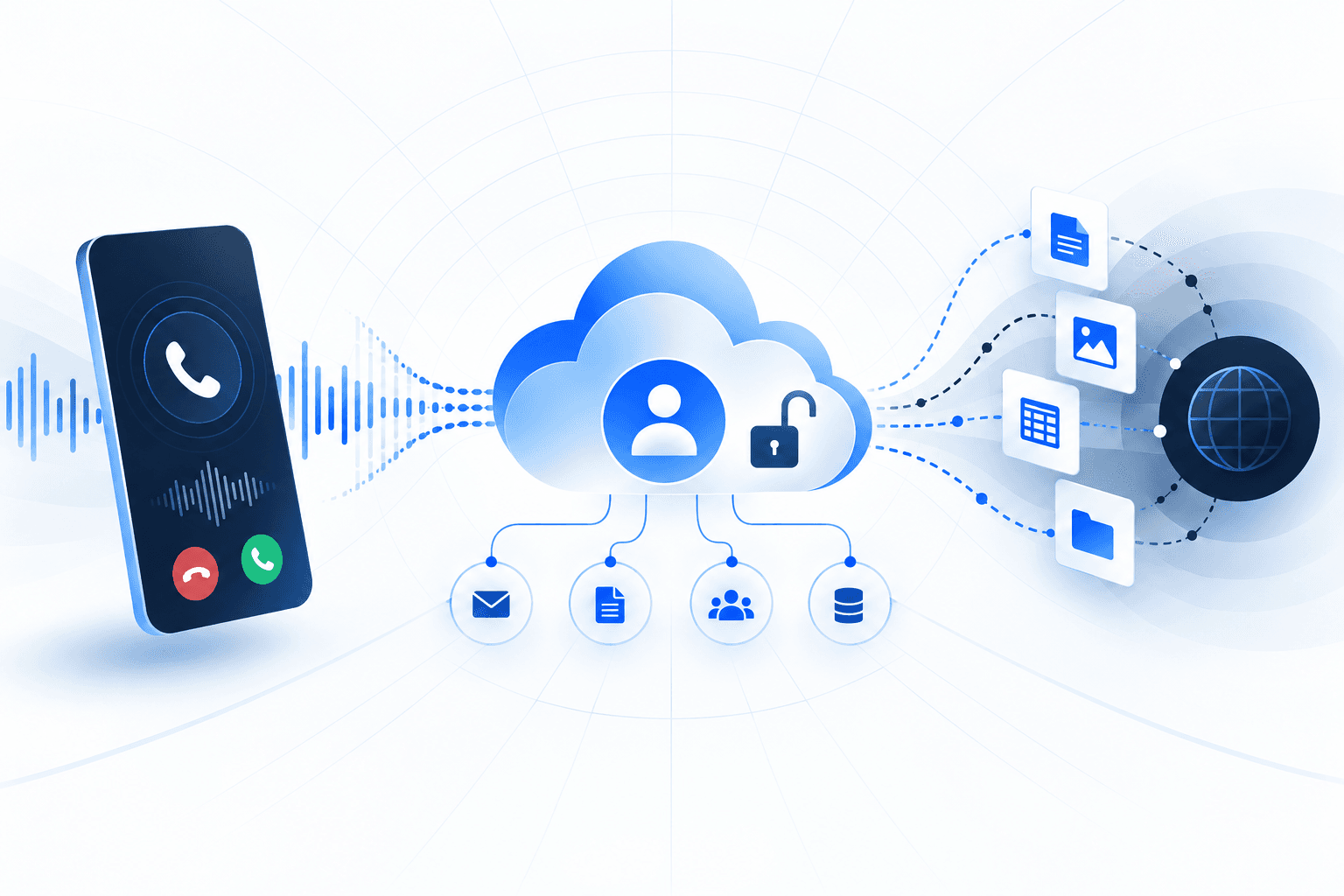
Com-affiliated attackers are using sustained voice-phishing campaigns to compromise cloud identities, steal sensitive data and extort organizations, Unit 42 reported. Activity accelerated around August 2026, primarily targeting financial services, healthcare and legal organizations in the United States, United Kingdom and Australia; healthcare targeting increased in September. Newly identified clusters Vortex and Cinder used adversary-in-the-middle phishing, unauthorized MFA enrollment or persistent session-token replay, followed by scripted collection from Microsoft cloud services. A separate investigation into Helix uncovered sideloaded browser extensions masquerading as Google Chrome that could steal authentication material, capture keystrokes and remotely control browser activity. Attackers also used internal email and Microsoft Teams messages to direct employees to Tor-hosted extortion negotiation sites.
Separately, RH-ISAC documented comparable tactics in BlackFile activity tracked as CL-CRI-1116, targeting retail and hospitality organizations since February 2026. Attackers impersonated IT helpdesk staff, lured employees to counterfeit corporate SSO portals, stole credentials and time-based one-time passwords, and sometimes enrolled attacker-controlled devices. They escalated from employee accounts to privileged and executive accounts, searched SharePoint and Salesforce using Microsoft Graph API and SaaS search capabilities, and exfiltrated data before issuing seven-figure demands. Some victims also faced SWATting targeting personnel, including executives. The reports underscore the need for stronger helpdesk and caller verification, phishing-resistant MFA, browser-extension allowlists, and monitoring for unauthorized device enrollment, suspicious sessions and bulk cloud-data exports.